Corpus Christi Faces Possible Water Curtailments by 2026
The Texas Oil and Gas Industry Sounds the Alarm
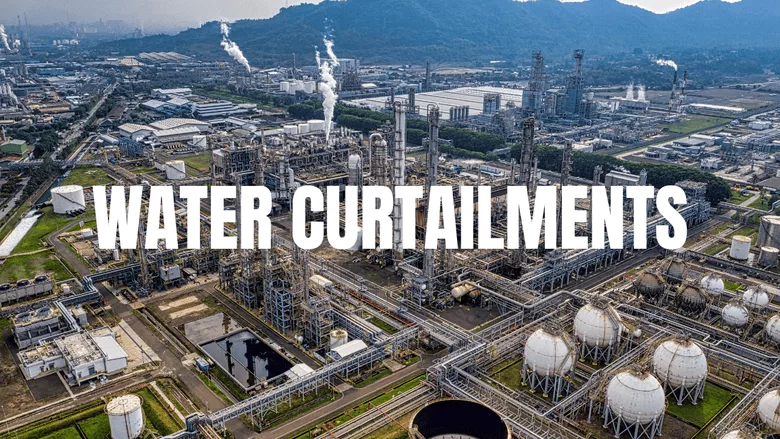
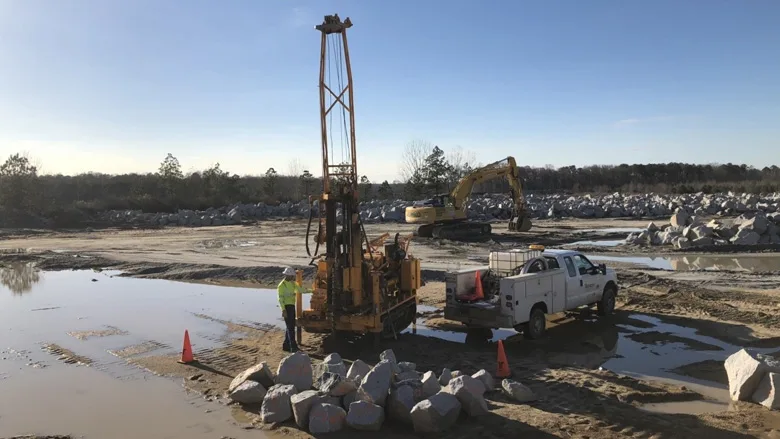
Image via Tom Fisk from Pexels
Corpus Christi could start restricting water use as early as November 2026 if drought conditions persist — a move that has South Texas’ oil and gas industry on edge.
City officials say water supplies are tightening as the region continues to face below-average rainfall, prompting concerns about how future cutbacks could affect residents, businesses, and the industrial base that fuels much of the local economy.
Few sectors stand to feel the pinch more than oil and gas. The industry accounts for 38% of Texas’ GDP and contributed $27 billion in tax revenue to the state last year. In Corpus Christi, where one of the nation’s largest petroleum ports operates, the sector supports roughly 12,000 high-paying jobs, with average salaries more than triple the area’s median income. Refineries, export terminals, and drilling operations all depend heavily on reliable water access.
Industry leaders are warning that restrictions could have cascading economic impacts. Todd Staples, president of the Texas Oil and Gas Association, said the stakes are high not just for energy producers, but for the broader community. “Both homeowners and businesses alike depend on a reliable water supply,” Staples said. “The fact that these needs might not be met could have extreme consequences for operations at these facilities.”
Railroad Commissioner Jim Wright, one of the state’s top oil and gas regulators, echoed that concern. He cautioned that shortages could ripple far beyond the refineries and drilling sites. If companies lose access to water, Wright said, operations could grind to a halt — jeopardizing exports and jobs across the region. “Water is certainly needed for any community to survive,” he said, “but industry is also needed because we have to have the jobs and a strong economy that provides a comfortable living for people.”
Wright also criticized what he described as years of insufficient long-term planning, arguing that the state should have been preparing for worsening drought much earlier. “We should have been looking at this 10 years ago,” he said, adding that if current trends continue, “you’re going to see more restrictions come” and possibly significant job losses.
City officials say they’re pursuing new water projects to bolster supplies — including desalination plants and expanded storage — but those efforts take time. Without substantial rainfall in the coming year, they acknowledge that curtailments may be unavoidable.
For now, the message from both local leaders and industry is clear: the clock is ticking, and South Texas’ water future may define its economic one.
Looking for a reprint of this article?
From high-res PDFs to custom plaques, order your copy today!