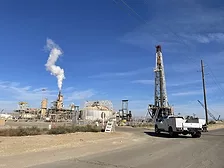
A pair of state grants is set to give a boost to geothermal workforce training in Massachusetts, with the Geothermal Drillers Association (GDA) and the Home Energy Efficiency Team (HEET) teaming up to expand access to the field.
PFAS contamination isn’t a future problem—it’s already affecting thousands of water systems. The challenge is that fixing it can take years and significant investment.
The U.S. Environmental Protection Agency is opening a new round of funding aimed at one of the most persistent challenges in the country’s water sector:
The initiative also reflects growing public concern about what’s in drinking water. By elevating microplastics and pharmaceuticals to priority status, federal agencies are responding to calls for more transparency and stronger oversight of emerging contaminants.
The shift reflects a broader trend in environmental policy, where states are given more responsibility to implement federal programs—so long as they maintain baseline protections.
EPA, FBI, CISA, and NSA urge utilities to strengthen defenses as hackers exploit vulnerabilities, risking service disruptions and public health impacts
The advisory is part of a wider push to strengthen cyber resilience across U.S. infrastructure as threats grow more sophisticated and persistent. For water utilities, the message is clear: the risks are no longer hypothetical, and preparation is essential.
Warmest winter on record and rapidly melting snow leave statewide snowpack at just 38% of average, threatening water supplies, agriculture, and wildfire conditions