With so much happening in the industry and at-large, The Driller plans to provide a weekly wrap of three topics you should know before you head out the door.
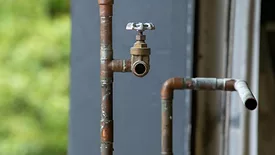
The EPA’s latest update is a step toward making information more accessible. As lead exposure continues to affect homes, schools, andcommunities, clearer guidance could help people take action sooner.
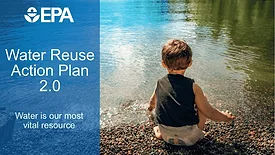
The updated plan reflects a broader shift in how water is managed across
the country - less as a one-time-use resource, and more as something
that can be treated, reused, and reintegrated into the system.
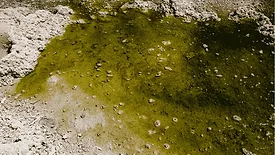
PFAS contamination isn’t a future problem—it’s already affecting thousands of water systems. The challenge is that fixing it can take years and significant investment.
The U.S. Environmental Protection Agency is opening a new round of funding aimed at one of the most persistent challenges in the country’s water sector:
The shift reflects a broader trend in environmental policy, where states are given more responsibility to implement federal programs—so long as they maintain baseline protections.


.webp?height=168&t=1779937816&width=275 "Screenshot 2026-05-27 at 11.06.05 PM (2).png")



.webp?height=168&t=1775701507&width=275 "Ohio in the night")

