Water Wells
Washington Utility Seeks Contractor for 300-Foot Water Well
Skagit Public Utility District plans to replace an aging water well with a higher-capacity source, but drilling into a flowing aquifer will require extra precautions.
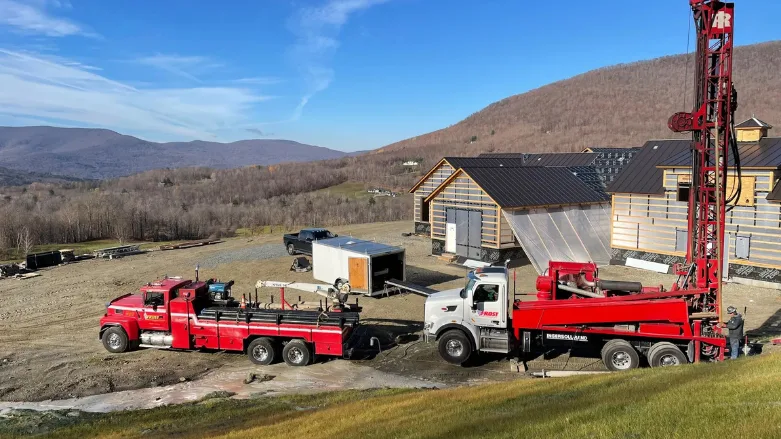
Drilling a 300-foot water well might sound like a fairly straightforward job. But when groundwater is under enough pressure to flow to the surface on its own, things can get complicated.
That's one of the challenges facing Skagit Public Utility District (PUD) as it prepares to replace an aging water well near Sedro-Woolley, Washington.
The utility is looking for a contractor to drill a new production well for its Alger Water System in Skagit County. The goal is to increase the system's production capacity from 70 gallons per minute (gpm) to 100 gpm, giving the community a more dependable water supply.
According to documents filed with the Washington Department of Ecology, the existing well can't produce the full amount of water the utility is legally allowed to withdraw.
Rather than seeking permission to pump more groundwater, Skagit PUD plans to replace the existing well with one capable of producing the full amount allowed under its current water right, G1-05743.
Construction is planned for 2027 along Alger Cain Lake Road, and the project comes with some specific drilling requirements.
Why Cable-Tool Drilling?
One of the more interesting parts of the project is the drilling method.
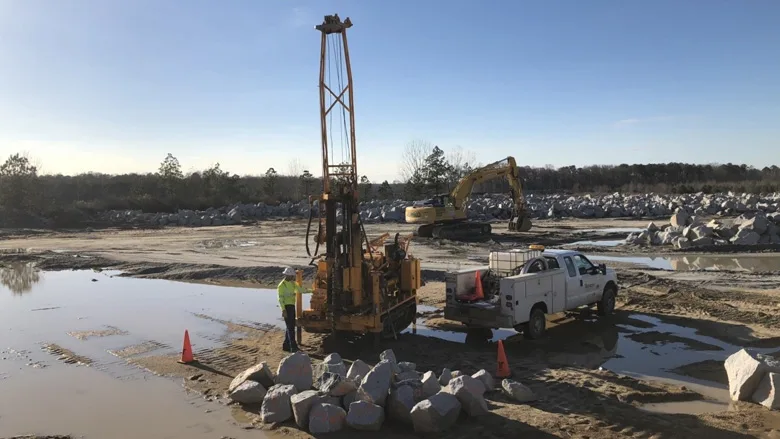
Skagit PUD is calling for a 12-inch steel-cased production well drilled using cable-tool equipment, a method that has been around for generations but still has its place in modern groundwater work.
Unlike rotary drilling, which typically uses circulating fluids or air to bring cuttings to the surface, cable-tool drilling relies on a heavy bit that repeatedly strikes the bottom of the borehole. The broken material is then removed with a bailer.
It's generally a slower process than rotary drilling, but it can offer advantages in certain formations, particularly when contractors need to closely monitor changes underground or advance casing as they drill.
For the Alger project, the biggest concern is groundwater pressure.
The well will be drilled into a flowing artesian aquifer, meaning the groundwater is under enough natural pressure to rise to the surface without pumping.
That can make drilling more difficult. If the flow isn't properly controlled, water can escape around the casing, interfere with construction or move between underground formations.
To help prevent those problems, the project's bid summary calls for several layers of casing and sealing, including:
- 24-inch temporary casing
- 20-inch flow-control seal
- 16-inch surface seal
- 12-inch permanent well casing
Each serves a different purpose, but the overall goal is to control groundwater flow and protect the finished well.
Getting those seals right will be especially important. If water finds a path along the outside of the casing, it can create problems that are difficult and expensive to correct after construction.
Making Sure the Well Can Deliver
Drilling the well is only half the job. The contractor will also need to prove it can produce enough water to meet the utility's needs.
Once construction is complete, the well will undergo development and a series of pumping tests.
Well development helps remove fine sediment and other material left behind during drilling, improving the movement of groundwater into the well.
From there, the contractor will perform step-rate pumping tests, which involve pumping at progressively higher rates and measuring how far the water level drops.
These tests help determine how efficiently the well performs as pumping increases and whether it can handle the desired production rate.
The specifications also call for a 24-hour constant-rate pumping test. During this test, the well is pumped at a steady rate while water levels are monitored to see how the aquifer responds over time.
The utility wants the new well to produce 100 gpm, roughly 43% more than the existing well's reported capacity.
Whether it can consistently reach that number will depend on the conditions encountered underground, how the well is constructed and how it performs during testing.
There are also some logistical requirements. The contractor must manage drilling spoils, haul cuttings off-site and coordinate with Skagit PUD to keep the existing water source operating throughout construction. Work will be limited to weekdays between 7 a.m. and 6 p.m., and the contractor will have 180 consecutive calendar days from the notice to finish the project.
A Job That Calls for Experience
The Alger replacement well is a good example of why some municipal water projects still call for specialized drilling equipment and experienced crews.
Rotary drilling may be common across much of the water well industry, but cable-tool drilling remains useful in certain conditions, particularly when contractors need to advance casing while keeping a close eye on groundwater inflows and changing formations.
Flowing artesian wells add another layer of difficulty.
Contractors have to consider more than drilling depth and casing size. Groundwater pressure, flow control, sealing methods and the risk of water escaping around the borehole all need to be addressed before drilling begins.
Skagit PUD has already taken steps to prepare for the work.
The utility previously approved a $137,420 contract with TerraPhase Engineering for hydrogeological services related to the replacement well. That work will help support construction of the new water source.
Sealed bids were due October 28, 2026, at 10 a.m. Pacific, with a public bid opening scheduled afterward. Contractors were required to provide a 5% bid deposit, and the winning bidder must furnish performance and payment bonds.
As of the solicitation information available, a contract award had not been confirmed.
- For Skagit PUD, the goal is simple: replace an aging well with one that can reliably deliver the water its system needs.
- For the contractor, the job won't be quite so simple. Drilling through a pressurized aquifer, controlling groundwater flow and properly sealing the well will all be important to getting the project done right.
Even after drilling is complete, the pumping tests will determine whether the new well can deliver the 100 gpm the utility needs. Between managing artesian pressure, properly sealing the well and meeting production targets, it's the kind of project that gives experienced drillers a chance to put their skills to the test - and they will embrace the challenge.
Looking for a reprint of this article?
From high-res PDFs to custom plaques, order your copy today!

John Oldani is an editor, journalist, and reporter with over a decade of experience producing clear, engaging, and well-researched content. He holds a Bachelor of Arts in Journalism from Oakland University, with a focus on financial reporting, editing, and long-form writing. Over the past year, John has specialized in covering the drilling industry, reporting on key developments, policy shifts, and impactful stories shaping the field.
email: johnnyoldaniwords@gmail.com | office: (248) 838-8535