Safety News
This Safety Helmet is Giving Conventional Hard Hats a Refresh
Job-Site Safety Institute and Comer Construction Pilot Launch a Type II Safety Helmet
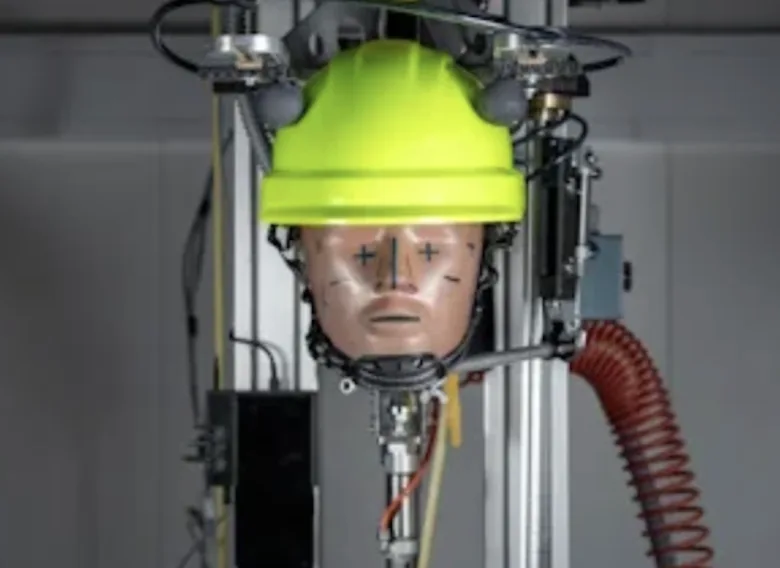
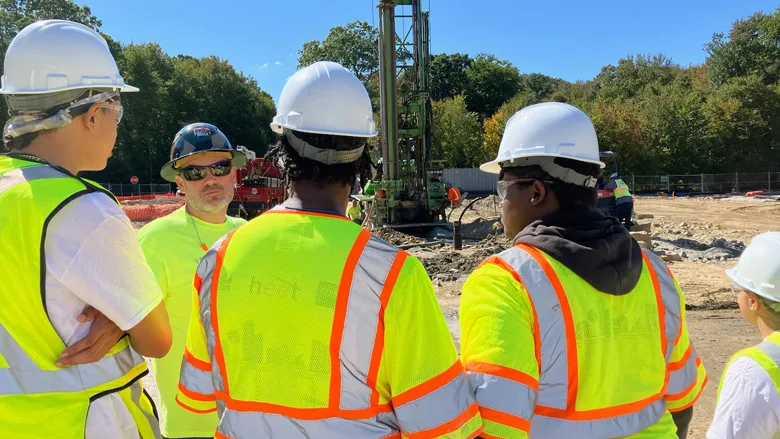
The Job-Site Safety Institute (JSI) and Comer Construction are partnering on a pilot initiative to advance the use of Type II safety helmets in the construction industry, examining how transitioning from traditional hard hats may reduce the risk of serious head injuries.
The partnership brings together JSI, a nonprofit organization dedicated to safety research and education, North Carolina State University (NCSU), and Comer Construction, a certified women-owned site development and heavy construction contractor based in Forest Hill, Maryland.
Construction workers continue to face significant risks on the job, with approximately 1,000 fatal workplace injuries and 150,000 nonfatal injuries and illnesses reported each year. Among these hazards, traumatic brain injuries (TBIs) remain a serious concern, with more than 200 construction workers dying from TBIs in the U.S. each year.
Many of these deaths could be prevented through better head protection and stronger safety practices. Through participant-centered training and accessible educational resources, JSI reaches tens of thousands of workers and employers each year, helping them strengthen safety practices, create safer job sites, and reduce the risk of preventable incidents.
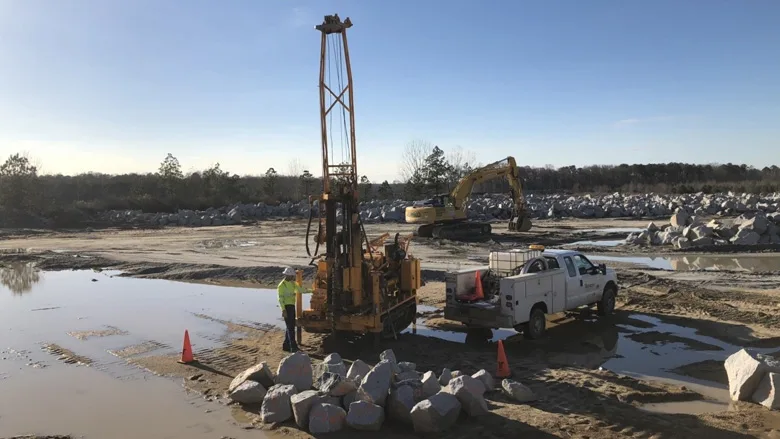
As part of the initiative, a research grant was officially funded on Sept. 1, with NCSU to examine the safety benefits of Type II helmets, including enhanced protection during falls and struck-by or struck-against incidents, as well as improved retention, comfort and fit. Comer Construction was then selected to participate in a pilot program evaluating the practical considerations, effectiveness and feasibility of implementing Type II helmets on active construction sites.
“We’re always looking for ways to strengthen safety for our employees,” said Susie Comer, President and Treasurer of Comer Construction. “This partnership allows us to put new safety research into practice and help identify what a successful transition to Type II helmets can look like in the field.”
This is an excerpt from a story first appeared in Industrial Safety and Hygiene Magazine. Read the full report here.
Looking for a reprint of this article?
From high-res PDFs to custom plaques, order your copy today!