Geothermal
What Do Geothermal Heat Pumps Really Cost? ORNL Wants to Know
New DOE-backed survey asks contractors and drillers to share project costs.
Oak Ridge National Laboratory wants to answer a fairly simple question with big implications for the geothermal industry...
What does a geothermal heat pump system actually cost?
ORNL is conducting a new survey as part of a U.S. Department of Energy Office of Geothermal project examining what widespread deployment of geothermal heat pump systems could mean for the electric grid and utility customers.
Understanding what ORNL does
Oak Ridge National Laboratory, based in Tennessee, is a U.S. Department of Energy national laboratory that conducts research across energy, science and national security. Its work includes research into building technologies, energy efficiency and geothermal heating and cooling systems.
The effort builds on a DOE-funded study released in 2023 that looked at the potential effects of deploying geothermal heat pumps on a national scale. That research found that widespread GHP adoption, particularly when paired with home weatherization, could reduce strain on the electric grid, lower consumer energy costs and cut carbon dioxide emissions.
There was an important piece missing from that analysis, however: the actual cost of installing the systems.
The 2023 study did not account for installed costs or the availability of land needed for GHP systems. ORNL's new project is intended to help fill that gap by collecting real-world cost information from the people designing, drilling and installing the systems.
Where contractors come in
ORNL is asking HVAC and mechanical contractors, drilling and ground heat exchanger contractors, system designers, engineers, developers, builders and others working in the industry to participate.
Respondents can provide information about their experience with residential and commercial systems and submit project-specific cost data. ORNL is also accepting past project quotes, cost documents and other records that can provide a clearer picture of what these systems cost in the field.
The federal researchers say there is currently a lack of reputable, publicly available information on real-world GHP costs. Better data could help identify major cost drivers, show how costs vary by region and highlight areas where the industry has the greatest opportunity to bring installation costs down.
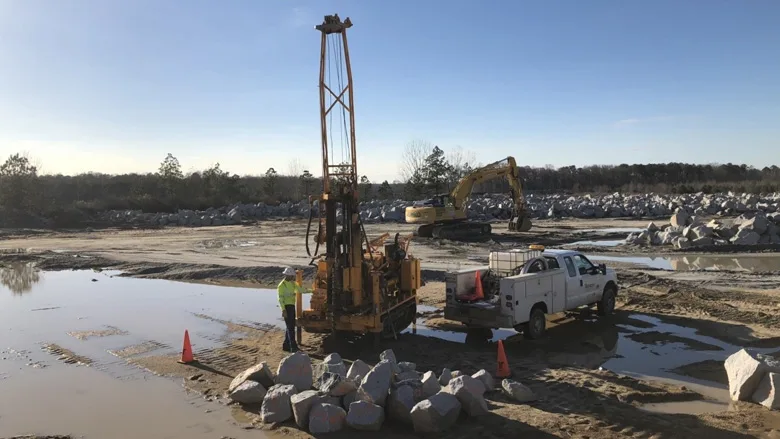
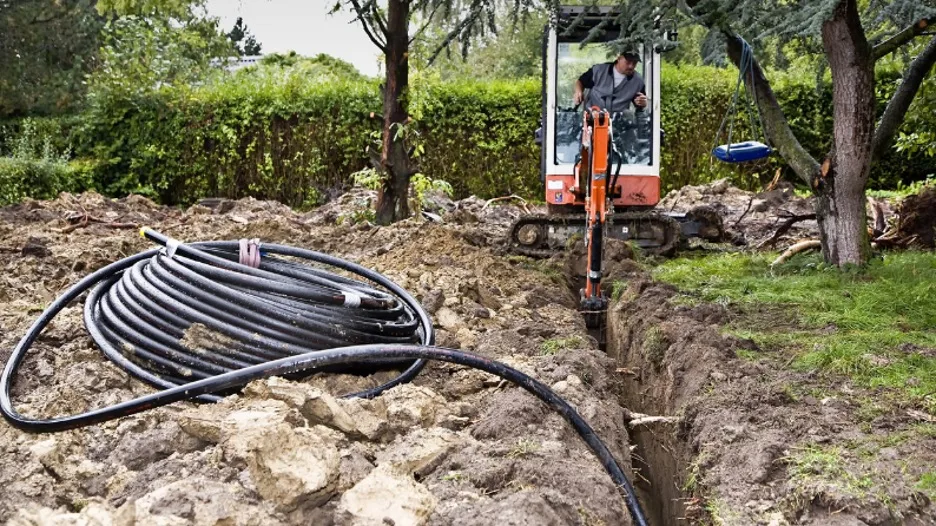
For drillers, that could be particularly relevant. The ground heat exchanger can represent a significant portion of a geothermal project's upfront cost, and those costs can vary considerably depending on geology, bore depth, site conditions, equipment, labor and project scale.
The larger goal is to determine whether the upfront expense of geothermal heat pumps can be viewed alongside the benefits they may provide to the broader electrical system.
Insight into ORNL's study
ORNL's earlier research modeled deployment of approximately 5 million geothermal heat pumps per year and found grid system cost savings across all of the scenarios researchers examined. The study characterized geothermal heat pumps not simply as a building heating and cooling technology, but potentially as a tool for reducing grid costs when deployed at scale.
The new research should provide a better idea of what it would actually cost to get there.
ORNL says information submitted through the survey will be published only in aggregated and anonymized form. Researchers ultimately plan to develop regional insights and equations for estimating typical costs for different types and sizes of residential and commercial GHP systems.
For contractors willing to open the books on past projects, it is an opportunity to help put some real-world numbers behind a question the geothermal industry will increasingly have to answer as deployment grows: How much does this technology cost to put in the ground, and where can those costs come down?
You can view and answer the survey here.
Want More Geothermal Insights?
Explore the inaugural Ground2Grid Thermal Energy Summit, launching in 2027, and connect with the ideas shaping the future of geothermal energy. Learn more.
Looking for a reprint of this article?
From high-res PDFs to custom plaques, order your copy today!

John Oldani is an editor, journalist, and reporter with over a decade of experience producing clear, engaging, and well-researched content. He holds a Bachelor of Arts in Journalism from Oakland University, with a focus on financial reporting, editing, and long-form writing. Over the past year, John has specialized in covering the drilling industry, reporting on key developments, policy shifts, and impactful stories shaping the field.
email: johnnyoldaniwords@gmail.com | office: (248) 838-8535