Remediation
'The ultimate impact'
As four injection wells in Ohio were recently shut down, activists are calling on state officials to do more to protect well water from impurities
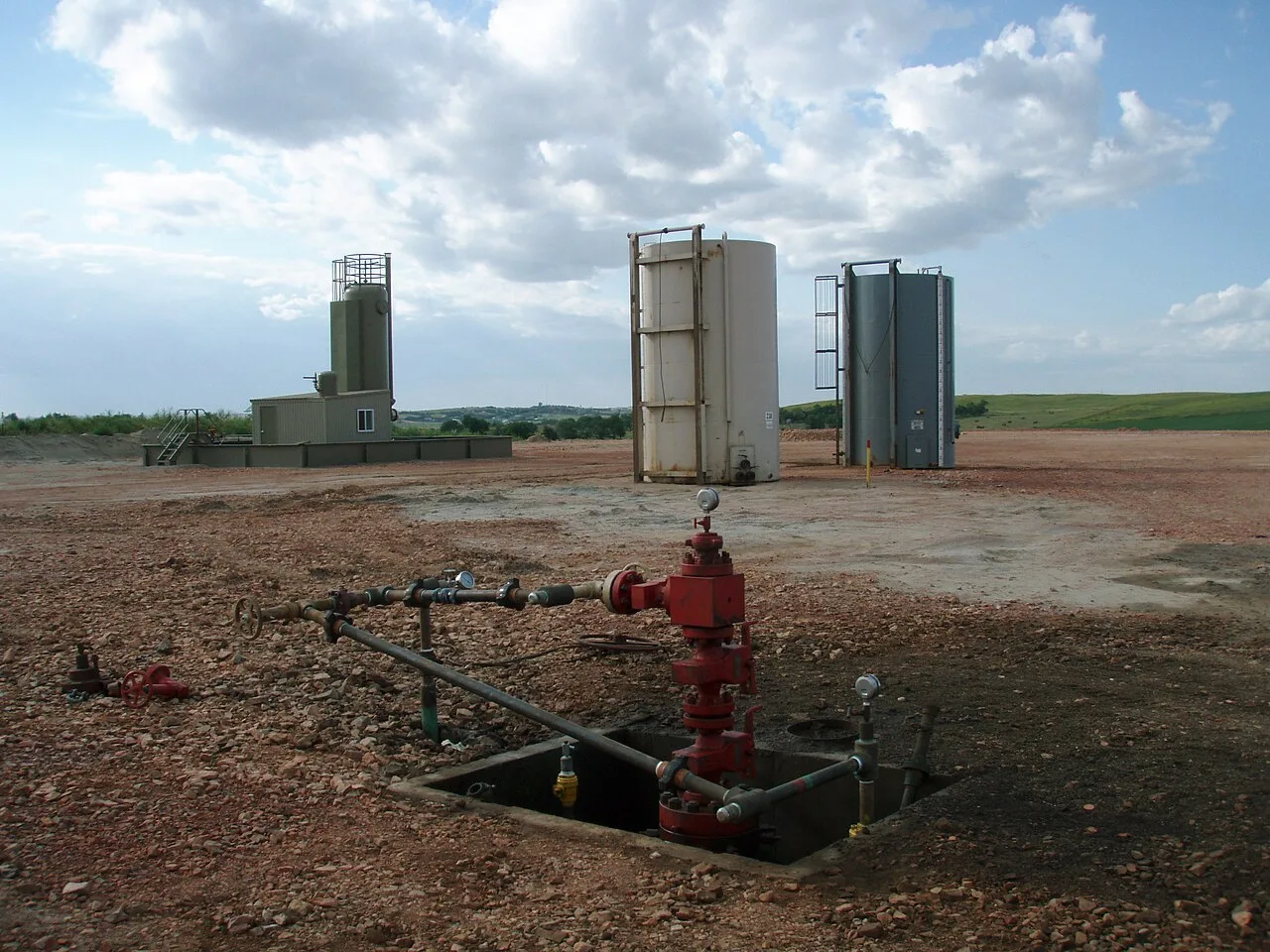
After years of concerns from residents in Washington County, Ohio, it would appear that four injection wells in the town have temporary been shut down, though one of the owners of the well insists there is no plan to cease operations despite resident feedback.
The story, first reported by Ohio news station WTAP, says that the four wells, known as American Growers No. 1, Redbird Nos. 4-5 and Nichols No. 1-A, the latter being the well that owner Charlotte Nichols contends hasn’t entirely ceased operations, are the wells affected.
However, therein lies the rub as officials from the Ohio Department of Natural Resources was under the impression that Nichols knew that her injection well was to cease its operation, as it appears Nichols No. 1-A, and the other three wells were suspected of leeching brine outside of its permitted zone.
However, according to the original report, tests run by independent firms reported that private water wells in the area were not affected. However, there are those who believe that ODNR needs to do more when it comes to the oversight and policing of these wells.
“The real question is, why does it take a whole community of people organizing around an issue?”
-- Bev Reed, organizer, Buckeye Environmental Network
“ODNR has known there’s been a problem regarding these injection wells for a very long time,” Bev Reed, who oversees the Buckeye Environmental Network, an activist group who raise awareness about the dangers of these wells and the brine they leech told WTAP. Reed specifically is the Appalachian Ohio oil and gas waste organizer for the group.
“The real question is,” Reed added, “Why does it take a whole community of people organizing around an issue?”
While Reed’s group wants ODNR to do more in testing private wells to see if brine has migrated into private wells, the issue is just how long that would take with the sheer number of injection wells that have populated in the state. But according to Reed, the damage could be significant, as her group on their website listed all of the potential dangers and what has yet to be done to remedy them.
In short, not much.
“ODNR must be transparent about these concerns and address the questions that the community has raised,” said Reed, on the Buckeye Environmental Network website.
But in the interview with WTAP, Reed’s main concern was front and center.
“They need to do a long-term investigation of the entire county because nobody knows the ultimate impacts from all these injection wells,” Reed said. “Washington County takes in more brine waste than any other county in the state.”
Looking for a reprint of this article?
From high-res PDFs to custom plaques, order your copy today!