Ditching the Mesh: Mines Can Reduce Water Consumption and Save Costs with Printed Spacers on RO Membranes
Craig Beckman is the CEO of Aqua Membranes
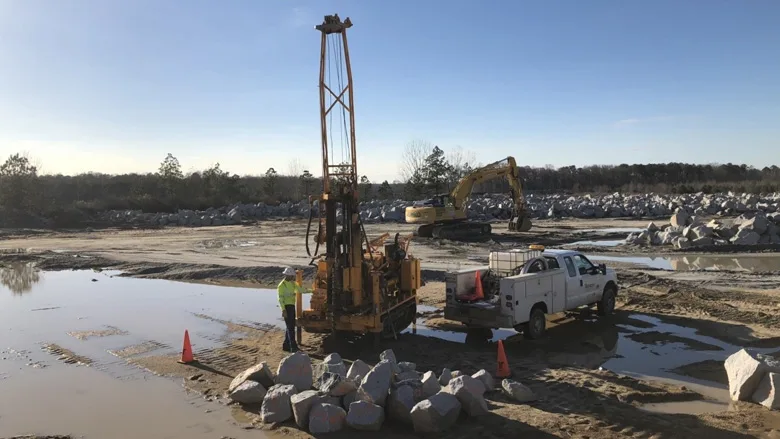
Mining operations are often scrutinized for their excessive use of resources including water, energy, and land. Communities and regulators have also become increasingly aware of how mines draw, use, and discharge water, especially in regions facing scarcity. This has led to tighter regulations and greater local resistance. Yet mines remain essential to global economic stability, supplying critical materials for the energy transition. Therefore, the solution isn’t to mine less—it’s to mine smarter: reducing water intensity and improving treatment practices to meet both regulatory requirements and community expectations.
A central part of that equation is the remediation and treatment of mining wastewater to meet discharge standards. Membrane-based technologies, particularly Reverse Osmosis (RO), play a critical role in helping operators comply with regulatory frameworks while reducing cost and risk.
Mine Wastewater Challenges: Complexity, Compliance, and Cost
Mine water effluent is notoriously difficult to treat. It is characterized by extreme pH levels and high concentrations of dissolved solids, suspended solids, and toxic metals. Each of these contaminants poses a significant threat to surrounding ecosystems and human health if not properly managed before discharge. As a result, non-compliance can lead to severe financial penalties, operational shutdowns, and lasting damage to a company's reputation.
Traditional approaches in mining water treatment, such as lime precipitation, settling ponds, or ion exchange, can be effective at removing particulates and neutralizing acidity. But they often fall short when it comes to meeting modern discharge limits or reclaiming water for reuse. RO provides a better solution for treating water, allowing operators to remove salts, metals, and residual contaminants to a level suitable for surface discharge, reinjection, or even internal reuse.
RO’s role in wastewater treatment is particularly valuable for mines pursuing zero liquid discharge (ZLD) or those located near sensitive ecosystems. The ability to achieve >90% recovery from wastewater streams drastically reduces freshwater intake requirements and minimizes the volume of brine at final disposal. However, the effectiveness of RO in mining contexts depends heavily on system reliability, fouling resistance, and energy efficiency.
The Problem with Traditional Mesh Spacers in Mining RO Systems
RO membrane performance depends not just on the membrane material itself, but also on the mechanics of how water flows through the system. In spiral-wound RO membranes, feed spacers control how water moves across the membrane surface. However, conventional mesh spacers create a tortuous flow path. This leads to a significant pressure drop, requiring more energy to push water through the system. Their structure also creates stagnant zones where contaminants accumulate, leading to rapid fouling, reduced performance, and the need for frequent, costly chemical cleaning. The shortcomings of mesh spacers are amplified in mining, where harsh feedwaters and demanding flow rates accelerate fouling, making every inefficiency more costly at scale.
A New Paradigm in Membrane Design
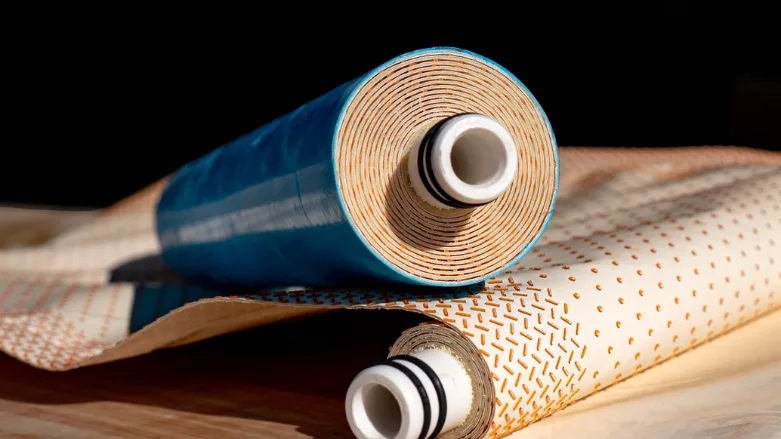
Aqua Membranes’ Printed Spacer Technology® eliminates the need for traditional mesh spacers by directly printing customized flow channels onto the membrane surface. These printed patterns are engineered to optimize flow dynamics, reduce pressure drop, and minimize stagnant zones where fouling and scaling typically begin.
For remediation-focused RO systems, these improvements unlock significant operational and financial benefits. The more open feed channels reduce pressure requirements throughout the entire system, resulting in up to 30% energy savings. At the same time, the open channel design reduces fouling and scaling, which minimizes chemical cleaning cycles and extends membrane lifespan by more than 2x. This ultimately leads to fewer replacements, lower capital expenditures, and less operational downtime.
Systems built with printed spacers deliver more reliable performance and a significantly faster return on investment. Because the membranes fit seamlessly into existing RO systems, mines can achieve these gains without retrofitting infrastructure or extending installation schedules.
Maximized Water Recovery: Conserving a Precious Resource
The World Resources Institute estimates that 16% of critical mines, deposits, and districts are located in high water-stressed areas. In addition, mining sites are often located in remote areas with limited infrastructure, and water is typically drawn from local aquifers and discharged to the surface after use. Therefore, a key objective in modern mining is to maximize water recovery, creating closed-loop systems that reduce reliance on fresh water sources. The enhanced efficiency and fouling resistance of printed spacers allow systems to operate at higher recovery rates, reclaiming 10% more water with the same feed volume and energy input. This results in major savings for mining operations and brings the industry closer to the goal of zero liquid discharge.
Compliance and Risk Reduction
As mining regulations tighten worldwide, RO is becoming an increasingly important part of water treatment systems. Notably, RO systems equipped with printed spacers have consistently produced permeate that meets or exceeds EPA and international standards, minimizing exposure to costly enforcement actions and litigation. Printed spacers are also helping mines demonstrate responsible water management to regulators and local communities. In regions facing water scarcity, demonstrating reduced freshwater withdrawals and responsible discharge practices can help maintain public trust and regulatory goodwill. For mines navigating these pressures, printed spacers enable years of lower water consumption, operational savings, improved performance, and reduced environmental risk.
Looking for a reprint of this article?
From high-res PDFs to custom plaques, order your copy today!