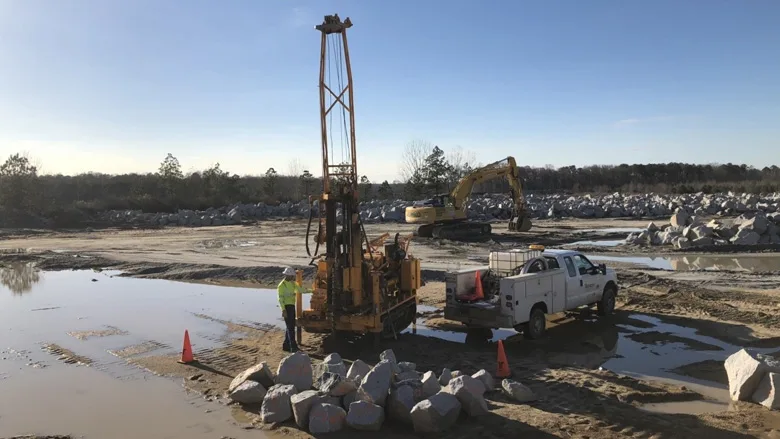
Go with the Flow: Why Your Water Well Needs a Good Flush
Flushing isn’t just for toilets—it’s a critical step in keeping your well water clean, safe, and flowing freely.

If you're working with a water well, whether it's newly constructed or undergoing disinfection, flushing plays a critical role in ensuring the water is safe and clean.
Flushing refers to the process of using the scouring action of fast-moving water to remove debris, sediment, bacteria, and other contaminants from inside the well. It’s an essential part of both the development of a new well and the maintenance of an existing one, especially before and after chlorination.
For new wells, flushing helps clear out fine particles left behind after drilling. In existing wells, it prepares the system for chlorine treatment by removing loose materials and ensuring that chlorine can reach every part of the water column. Once chlorination is complete, flushing again is required to remove any residual chlorine and byproducts before the water is considered safe to use.
During the flushing process, the pump should be installed as close to the bottom of the well as possible to draw water from the deepest point. In some wells, particularly those drilled into fractured rock or highly porous formations, it may be necessary to move the pump slowly up and down to help water circulate through the entire borehole and dislodge stubborn contaminants.
The effectiveness of flushing depends heavily on both the rate and duration of pumping. The faster you can safely pump water, the more thorough the flushing will be. In terms of volume, a general recommendation is to flush at least 20 times the volume of the well casing.
For instance, if you have a 5-inch-diameter well that’s 100 feet deep, the casing holds approximately 100 gallons of water. This means a minimum of 2,000 gallons should be pumped out to meet the flushing standard.
Interestingly, in some cases, water quality issues can be corrected with flushing alone, no additional chlorine needed. Some local health departments have found that running water continuously through a garden hose for at least 24 hours can eliminate bacterial contamination. In this method, the water is directed into a roadside ditch or a part of the yard far away from any septic system. It’s important to fully open the sill cock valve to maintain a strong, steady flow during this extended flush.
After flushing, a water sample should be taken to test for the presence of coliform bacteria. If no bacteria are detected, it’s a good indication that the flushing process worked. Still, a follow-up sample taken about a week later is recommended to ensure the contamination hasn’t returned. This added step gives peace of mind and helps confirm that the well is back to delivering safe water.
As with any well maintenance task, it's also important to manage the discharge water properly. Water flushed from a recently chlorinated well may contain high levels of chlorine and its byproducts, which should never be allowed to run into surface water like streams or ponds. Similarly, make sure the water isn’t flowing onto neighboring properties or creating muddy or flooded areas that could cause complaints or damage.
Flushing a well isn’t just a technical step, it’s an investment in the health of your water supply. The process can often be done by the well owner with the right equipment, but in more complex cases or if the contamination is severe, hiring a professional is the better route.
Costs can vary depending on well depth, condition, and the amount of water that needs to be flushed. A basic DIY flush may cost little more than time and water usage, but professional services could range from $200 to $600 or more, especially if sampling and lab testing are included. Some well service providers also offer full disinfection packages that include flushing, chlorination, and post-treatment testing.
Ultimately, flushing is a relatively low-cost and highly effective method to keep your well functioning properly and your water safe to drink. Whether you're troubleshooting contamination or just doing routine maintenance, it’s a process well worth the effort.Looking for a reprint of this article?
From high-res PDFs to custom plaques, order your copy today!