Aberdeen Maps the Underground for Geothermal Heat
Sensors reveal hidden energy potential
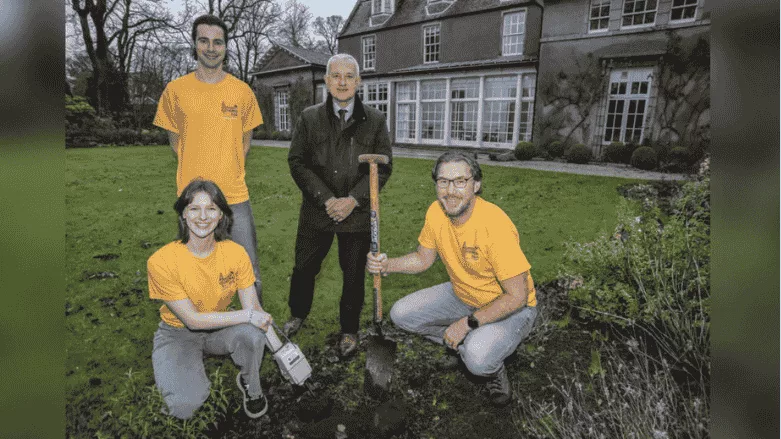
Image courtesy of the University of Aberdeen
Aberdeen is getting a high-tech look beneath its streets — and the goal is clean, local geothermal heat.
As part of the Aberdeen Geothermal Feasibility Pilot, researchers are deploying around 100 small seismic sensors across parks, campuses, neighborhoods, and commercial properties throughout the Scottish city. The effort is designed to build a detailed 3D map of the subsurface and determine whether geothermal energy could one day help heat homes, offices, and public buildings.
The project is being led by researchers at University of Aberdeen, using compact seismic nodes roughly the size of a small thermos. Once buried, the sensors quietly record natural ground movement and human activity over the next one to two months. That vibration data will allow scientists to map granite formations and other underground structures as deep as 5,000 meters below the city.
The goal is simple: understand what kind of heat is trapped underground and whether it can be safely and economically tapped for district-scale geothermal systems.
The seismic work is only one piece of the puzzle. The team also plans to drill an instrumented borehole more than 500 meters deep on the university’s King’s College campus in Old Aberdeen. That well will deliver real-world temperature readings along with geological and groundwater data — giving researchers direct confirmation of what the seismic imaging suggests.
Together, the borehole and citywide sensor network will create the most detailed geothermal dataset Aberdeen has ever had. All of the information will be made publicly available, helping not just local planners but future geothermal projects across the UK.
Funding for the pilot recently received a £1 million boost from UK Research and Innovation, reflecting growing national interest in geothermal as a stable, low-carbon heating option.
If the results are promising, geothermal could become a long-term complement to heat pumps and district energy systems — offering constant underground heat without relying on weather or massive grid upgrades.
For now, the sensors quietly doing their work beneath Aberdeen’s green spaces could be laying the groundwork for a new chapter in how cities heat themselves — one that starts deep underground.
Looking for a reprint of this article?
From high-res PDFs to custom plaques, order your copy today!