EPA Orders Inspections of Nearly 100 LADWP Water Reservoirs
Federal review finds maintenance gaps but no immediate water quality threat
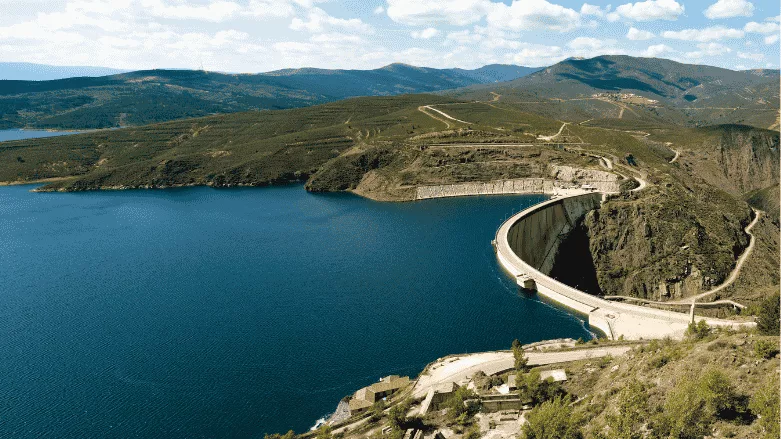
Image via Syldavia from Getty Images Signature
The U.S. Environmental Protection Agency has ordered the Los Angeles Department of Water and Power to inspect nearly 100 drinking water reservoirs and storage tanks and clean more than 50 of them after a federal review identified maintenance concerns across the system.
The action follows a July 2024 inspection by the U.S. Environmental Protection Agency, which found issues including unprotected openings and inconsistent inspection and cleaning schedules at several facilities. While the agency said there was no indication of immediate contamination, officials noted that such conditions can increase risk over time if left unaddressed.
LADWP operates the second largest public water system in the country, serving about 3.8 million customers throughout the Los Angeles region. EPA officials characterized the findings as infrastructure and documentation gaps rather than water quality failures, pointing to the challenges of maintaining a system of that size and age.
Since the inspection, the Los Angeles Department of Water and Power has already inspected and cleaned 13 reservoirs and made changes to its reservoir maintenance program. According to the EPA, the utility continues to meet federal and state drinking water standards while the corrective work moves forward.
Under the consent order, LADWP must complete comprehensive inspections of nearly 100 reservoirs and storage tanks by December 31, 2031. Any deficiencies identified during those inspections must be corrected, and more than 50 reservoirs will undergo interior cleaning where records were incomplete or where long periods had passed since the last documented cleaning.
The EPA described the order as a preventive step aimed at strengthening safeguards in a system that serves millions of residents. Maintaining secure structures, consistent inspection schedules, and clear maintenance records are core requirements under the Safe Drinking Water Act, particularly for large municipal utilities.
The agreement does not include financial penalties but establishes enforceable timelines and reporting requirements. EPA officials said the goal is to improve long-term system reliability and reduce the likelihood of future contamination risks as Los Angeles continues to rely on aging water infrastructure.
LADWP will remain under EPA oversight as inspections and corrective actions are completed in the coming years.
Looking for a reprint of this article?
From high-res PDFs to custom plaques, order your copy today!