New Mexico’s Water Beneath the Surface Is Running Out
Experts say a supplies crisis is looming
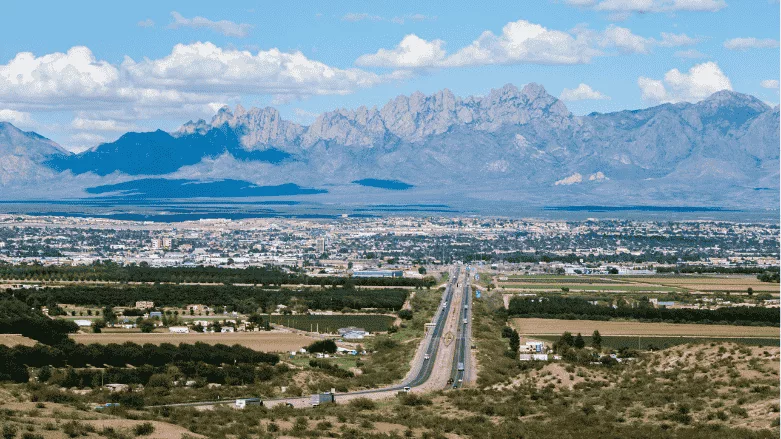
Image via SWInsider from Getty Images Signature
A new groundwater report is sounding the alarm in New Mexico, warning that shrinking aquifers, limited data, and fragmented management are pushing the state toward a serious water supply crunch.
Released this month by the New Mexico Groundwater Alliance, the New Mexico 360 Groundwater Report lays out just how much the state depends on groundwater and how little is currently being tracked and coordinated to protect it. More than half of New Mexico’s total water supply comes from underground sources, and roughly 80% of public water systems rely on groundwater for drinking water.
The timing is no coincidence. Years of drought, rising temperatures, growing industrial demand, and contamination threats like PFAS are all accelerating declines across major aquifers. State planning documents already estimate New Mexico could have 25% less water by 2050, and the new report suggests groundwater losses are already reaching crisis levels in several basins.
Some of the fastest drops are happening in heavily used agricultural and population centers, including the Ogallala aquifer near Clovis and Portales, the Mimbres Basin near Deming, the Estancia Basin in east-central New Mexico, and parts of the Albuquerque Basin, along with the Placitas and East Mountains areas.
One of the report’s central findings is just how large New Mexico’s data gaps remain. Less than half of the state’s groundwater withdrawals are currently metered, making it difficult for water managers to fully understand how fast aquifers are declining or where conservation efforts should be targeted. The report calls for major investment in aquifer mapping, monitoring, and modern data systems to give communities and policymakers clearer tools for long-term planning.
Those recommendations build on work already underway at the New Mexico Bureau of Geology and Mineral Resources, which has been pushing for expanded funding to study groundwater conditions across the state. Lawmakers have responded with proposed record investments for aquifer mapping in the upcoming legislative session, more than doubling last year’s funding.
But the report goes beyond data collection. It urges the state to develop a comprehensive, statewide groundwater management framework that sets basin-level goals based on science, local conditions, and community input. It also recommends stable funding for local groundwater authorities, incentive-based conservation tools like water banks and voluntary fallowing, and stronger engagement with local and Tribal communities.
The idea is not to start from scratch. The report highlights several New Mexico communities that are already using innovative groundwater management strategies, including efforts in the Pecos River Valley, Curry County’s Ogallala Aquifer programs, conservation initiatives in southern New Mexico, and local water associations in Santa Fe County. These case studies are presented as models that could be scaled statewide.
The findings arrive as water issues gain unusual momentum at the Roundhouse. In addition to groundwater mapping funds, lawmakers have proposed major investments in river restoration, wetlands projects, and the state’s Strategic Water Reserve. Advocates say the surge reflects how visible the water crisis has become, from drying riverbeds to shrinking snowpack.
Taken together, the message of the New Mexico 360 Groundwater Report is straightforward: groundwater can no longer be treated as an invisible backup supply. With climate pressures intensifying and demand rising, experts argue that better data, coordinated policy, and community-driven management will be critical to keeping taps running and farms productive in the decades ahead.
Without those changes, the report warns, more regions could face depleted aquifers, declining water quality, and disruptions to drinking water systems across the state.
Looking for a reprint of this article?
From high-res PDFs to custom plaques, order your copy today!