Trump Administration Orders Sudden Halt to Nearly Completed Offshore Wind Project
The project, known as Revolution Wind, is being developed by Danish energy giant Ørsted.
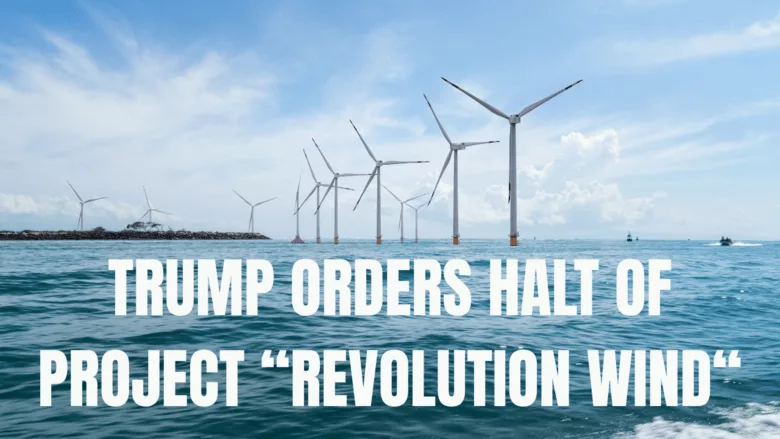
Image via Chuyu from Getty Images
Construction of a major offshore wind project near Rhode Island has come to a sudden stop following a directive from the Trump administration, marking another significant blow to the U.S. renewable energy sector.
The project, known as Revolution Wind, is being developed by Danish energy giant Ørsted and investment firm Global Infrastructure Partners. It is located in federal waters about 15 miles south of Rhode Island and has been under construction since 2023. The wind farm was slated to begin delivering electricity to homes and businesses in Rhode Island and Connecticut as early as next year.
But in a letter sent to Ørsted, acting Bureau of Ocean Energy Management (BOEM) Director Matthew Giacona said work must stop in order to “address concerns related to the protection of national security interests of the United States.” The letter, obtained by multiple outlets, did not elaborate on the nature of those concerns.
The unexpected stop-work order comes just months after President Trump issued a broader moratorium on new offshore wind development. The administration has also taken several other steps seen as targeting the renewables sector, including new IRS guidance making it harder for solar and wind projects to access federal tax incentives, and an ongoing Commerce Department investigation into whether imported wind components threaten national security.
Ørsted said in a statement that it is reviewing its options and may pursue legal action to challenge the order.
Industry leaders were quick to respond to the move, warning that halting Revolution Wind so close to completion could have wide-reaching consequences.
“Any pause or uncertainty at this stage could ripple across jobs, contracts, and communities already benefiting from the project,” said Erik Milito, president of the National Ocean Industries Association. He added that the U.S. currently has only one fully operational large-scale offshore wind farm and emphasized the need for more energy generation of all types to meet growing demand.
Jason Grumet, CEO of American Clean Power, called the decision another instance of “partisan politics derailing sound energy policy,” arguing it sends a troubling message to global investors about the stability of the U.S. energy market.
This isn’t the first such incident under the Trump administration. Earlier this year, the Interior Department paused work on Empire Wind, another offshore wind project near Long Island. That order was lifted in May, but not before the project's developer, Equinor, took a nearly $1 billion hit due to the regulatory uncertainty.
Now, with Revolution Wind roughly 80% complete, the renewable energy industry is facing renewed concerns about investor confidence and long-term project viability.
Liz Burdock, CEO of the Oceantic Network, criticized the administration’s actions as “unlawful” and harmful to the broader U.S. energy economy. “This dramatic action further erodes investor confidence in the U.S. market across all industries,” she said, warning that the pause will not only disrupt construction but also impact union jobs, vessel operators, and recent infrastructure investments.
The BOEM has not responded publicly to the backlash or provided further clarification on the national security concerns cited in the order.
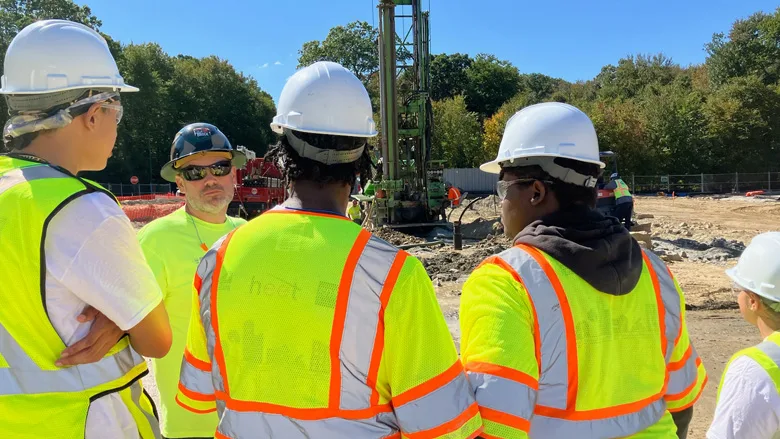
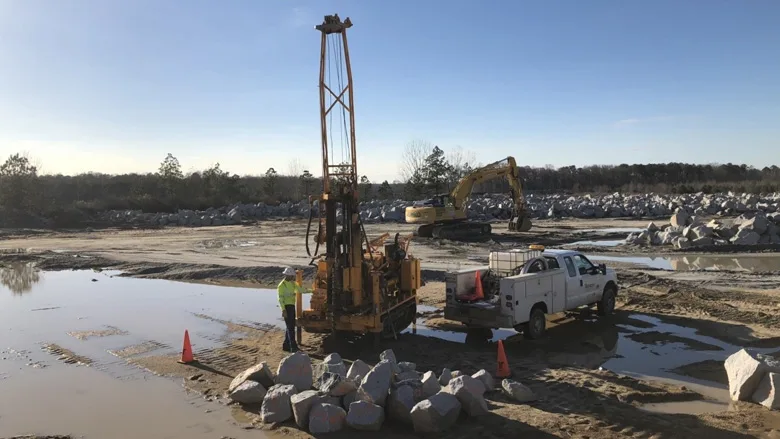
The halt of the Revolution Wind project may have unintended consequences for the broader drilling and offshore services sector. Many marine construction firms, heavy equipment operators, and port logistics providers have expanded into offshore wind work in recent years. This diversification brought new contracts and stability to a workforce that relies on high-spec vessels, seafloor preparation tools, and precision drilling equipment often used across various offshore operations.
Pausing construction at this late stage leaves those service providers with idle crews and underutilized assets, some of which were custom-built or upgraded specifically for offshore renewable work. Delays can also create financial strain on contractors managing multiple timelines and long-lead projects, disrupting planning and investment across the industry.
The stop-work order, while framed as temporary, adds an element of regulatory unpredictability that could discourage future infrastructure development and delay innovation in offshore drilling technologies tied to large-scale marine construction.
Looking for a reprint of this article?
From high-res PDFs to custom plaques, order your copy today!