Pacific Institute Report Finds Sharp Rise in Water-Related Violence Worldwide
Water-related conflicts were recorded in every major world region in 2024.
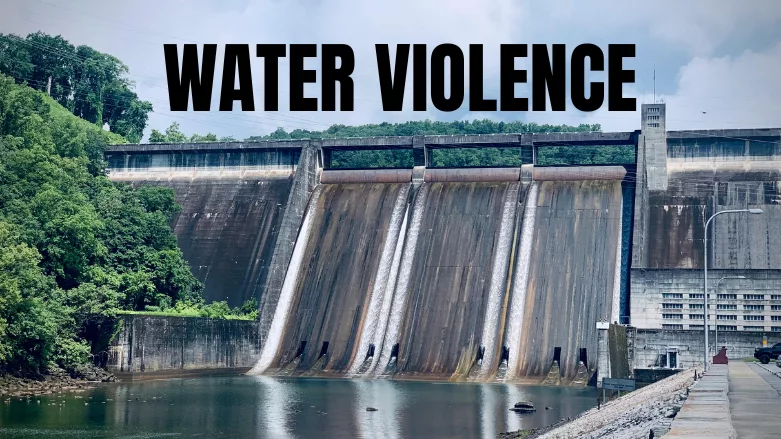
Image via Jonathan David from Pexels
A new analysis from the Pacific Institute shows that violence involving water resources has climbed to its highest level on record, continuing a steep upward trend that has accelerated over the past several years. The report draws from the Water Conflict Chronology, the institute’s open-source global database that tracks cases where water is a trigger, casualty, or weapon of conflict.
The numbers illustrate how quickly the situation has escalated. Just 24 water-related incidents were recorded globally in 2000. By 2024, that figure had risen to 420 events, nearly 20 percent more than in 2023 and 78 percent more than in 2022. The Pacific Institute added more than 840 new events in its latest update, bringing the database to more than 2,750 documented cases through mid-2025.
The majority of incidents in 2024 involved attacks on water infrastructure, which accounted for 61 percent of reported cases. Another 34 percent stemmed from disputes over access or control of water resources, and 5 percent involved the deliberate use of water as a weapon. While water conflicts occur worldwide, the Middle East, South Asia and Sub-Saharan Africa saw the greatest concentration of cases. About 12 percent of incidents were linked to the Israeli-Palestinian conflict, and 16 percent were tied to the war between Russia and Ukraine, including widespread strikes on water systems, dams, treatment plants and related energy infrastructure.
The report also highlights a rise in cyberattacks targeting water utilities. Recent surveys of agencies in the United States and the United Kingdom documented hundreds of attempted breaches aimed at drinking water and wastewater systems. In addition, the update includes information on violence against environmental defenders and community activists working to protect freshwater resources, particularly in Latin America.
Pacific Institute researchers say the mounting risks underscore the need for stronger protections for civilian water systems and for development policies that safeguard water supplies. The dataset shows that violence connected to water affects not only infrastructure and resources but also the people who manage, operate and defend them.
Regional Trends Reflect Persistent Pressures
Water-related conflicts were recorded in every major world region in 2024. As in previous years, most incidents occurred within countries rather than between them, with disputes between farmers and pastoralists, urban and rural users, religious communities and family groups driving many of the cases in Sub-Saharan Africa and South Asia.
The institute’s accompanying fact sheet outlines specific examples from 2024 and 2025, along with regions of particular concern. Together, the findings point to a widening pattern: as water scarcity, climate pressures and political instability intersect, water systems are becoming increasingly vulnerable to disruption and violence.
Looking for a reprint of this article?
From high-res PDFs to custom plaques, order your copy today!