Fracking’s Soaring Water Use Raises Alarms in Canada
The region increased their freshwater use by 50% in 2024
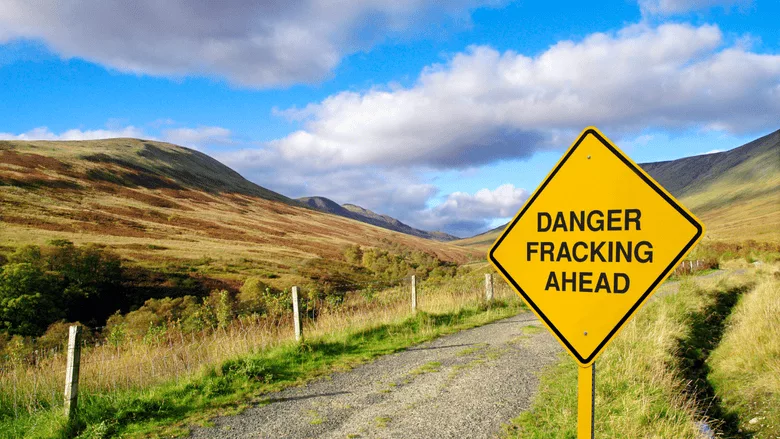
Image via Bauhaus1000 from Getty Images Signature
As wildfires rage and water supplies shrink in northeastern British Columbia, a new report reveals a sharp rise in water use by the region’s fracking industry—just as local communities struggle to meet basic needs.
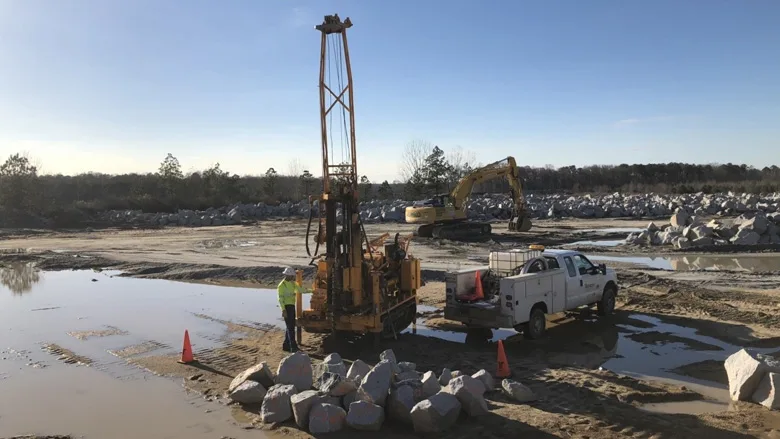
According to Stand.earth, fracking operations in B.C.’s Peace River region increased their freshwater use by 50% in 2024, jumping from just over six million to more than nine million cubic metres. That’s enough to submerge 1,700 football fields under a metre of water.
The rise coincides with severe drought across the region, including Dawson Creek, which is now seeking to pipe water from the Peace River over 50 kilometres away. The city’s application indicates that it could sell excess water to fracking companies to help offset infrastructure costs.
Stand.earth warns the problem is only just beginning. With the launch of LNG Canada—the country’s first major liquefied natural gas export terminal—demand for fracked gas, and by extension water, is expected to climb. Fracking is a highly water-intensive process, especially as companies drill longer wells with multiple fracturing stages.
According to the BC Energy Regulator’s FracFocus data, the average well in 2024 used nearly 24,000 cubic metres of water, a 20% increase since 2021. Other estimates suggest total water use by the industry could be even higher—around 11.7 million cubic metres—when factoring in water from private sources and recycled wastewater not tracked in the regulator’s public reporting.
Meanwhile, communities like Tumbler Ridge have faced water emergencies of their own, draining reservoirs to fight wildfires and issuing strict water-use restrictions. Critics say B.C.’s water pricing regime, which charges fracking companies just $2.25 per million litres, fails to incentivize conservation—adding that the province earns just over $20,000 from the nine billion litres of water used last year.
Oversight is another concern. The oil and gas sector operates under its own regulator, the BC Energy Regulator, which issues water licences and permits separate from those issued by the Ministry of Water, Land and Resource Stewardship. Environmental groups and First Nations say this fragmented system undermines comprehensive water governance—especially in a time of drought.
Blueberry River First Nations have pushed for stronger protections and helped develop a science-based tool to assess water flows in their territory. But earlier this year, the province quietly took the tool offline, saying it would remain paused until new water applications are submitted.
With droughts intensifying, water use climbing, and fracking set to expand to meet global energy demand, Stand.earth is urging the province to raise water fees, increase reuse of wastewater, and centralize oversight under one ministry.
As northeast B.C. runs dry, the central question remains: How should the province balance industrial growth with the urgent need to protect water for people, ecosystems, and the future?
Looking for a reprint of this article?
From high-res PDFs to custom plaques, order your copy today!