Completed: Five-Year Review at Ten Massachusetts Superfund Sites
Under federal law, the EPA must reexamine cleanup work at Superfund locations every five years.

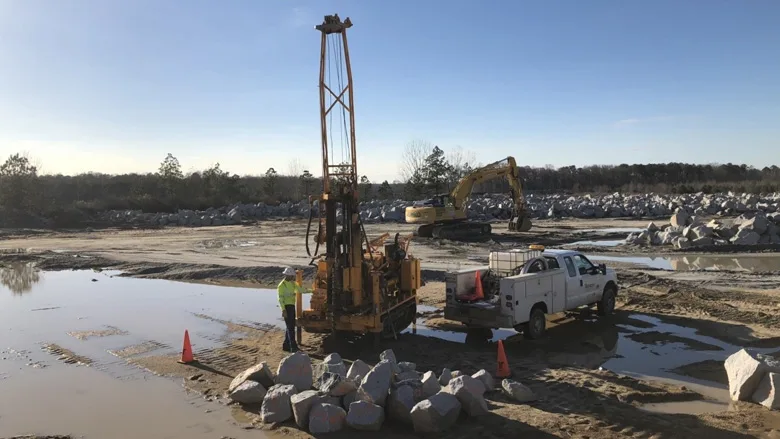
Image via danlogan from Getty Images
The U.S. Environmental Protection Agency has completed required five-year reviews for ten Superfund sites across Massachusetts, fulfilling its statutory obligations for the 2025 fiscal year. The reviews, announced last week by EPA Region 1 in Boston, assess whether long-term cleanup remedies at contaminated sites continue to protect human health and the environment.
Under federal law, the EPA must reexamine cleanup work at Superfund locations every five years once a remedy has been implemented. These assessments evaluate the performance of previous cleanup actions, determine whether protections remain effective, and identify any follow-up measures needed to maintain safety.
According to the agency, all ten Massachusetts sites reviewed this year continue to meet protection standards. Each review also includes recommendations for additional actions where necessary, and the final documents are publicly available on EPA’s website.
Sites Reviewed in Fiscal Year 2025:
- The Massachusetts locations that underwent five-year reviews include a mix of former industrial, landfill, and military sites:
- Atlas Tack Corp., Fairhaven
- Blackburn & Union Privileges, Walpole
- Cannon Engineering Corp., Bridgewater
- Charles George Reclamation Trust Landfill, Tyngsborough
- Fort Devens, Fort Devens
- Groveland Wells, Groveland
- New Bedford Harbor, New Bedford
- Norwood PCBs, Norwood
- PSC Resources, Palmer
In addition, the EPA issued an addendum to a prior review of the Sullivan’s Ledge site in New Bedford. The 2025 addendum documents actions taken since the 2023 review, including renewed groundwater treatment system operation and additional monitoring intended to ensure contaminants remain contained on-site.
Five-year reviews are a core part of the Superfund program, which was created by Congress in 1980 to investigate and clean up the country’s most complex and hazardous contaminated areas. Even after major remediation work is completed, EPA continues to monitor sites to ensure that the chosen cleanup remedies remain effective over time.
The agency says these periodic reviews are essential for identifying any emerging issues and recommending actions necessary to maintain environmental and public-health protections. The process also supports the long-term goal of returning sites to productive use when possible.
EPA’s Region 1 office said the completion of these reviews reflects ongoing oversight across New England’s Superfund portfolio as cleanup work progresses or enters long-term monitoring phases.
Looking for a reprint of this article?
From high-res PDFs to custom plaques, order your copy today!