EPA Region 4 Plans Five-Year Reviews at 55 Southeast Superfund Sites in 2026
The Superfund program was created by Congress in 1980 to investigate and clean up the nation’s hazardous waste sites.
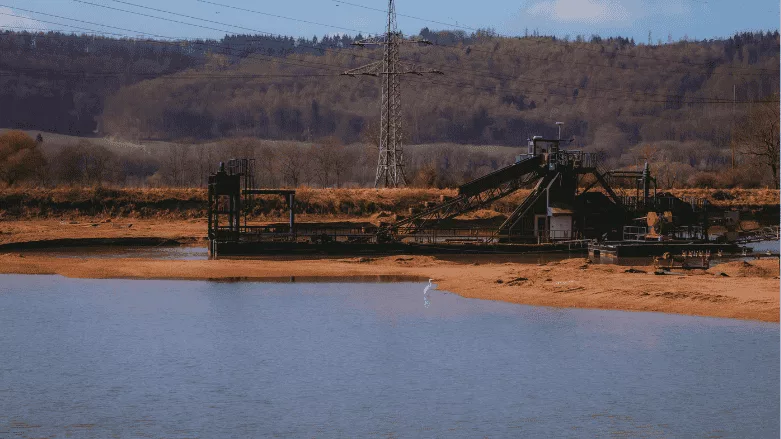
Image via Lana Kravchenko from Pexels
EPA Region 4 is preparing to take a close look at cleanup work underway at dozens of Superfund sites across the Southeast next year.
The agency said 55 Superfund sites will undergo a legally required five-year review in 2026. The goal is straightforward: confirm that existing remedies are still protecting public health and the environment, and identify where adjustments may be needed. The reviews will cover sites in Alabama, Florida, Georgia, Kentucky, Mississippi, North Carolina, South Carolina, and Tennessee.
Five-year reviews are a standard part of the Superfund process. They are required when contamination remains at a site above levels that allow for unrestricted use and unlimited exposure, or when cleanup systems must continue operating over time. EPA uses the review to evaluate whether a remedy is functioning as intended and whether the assumptions behind the cleanup still hold.
EPA said it plans to post its findings publicly after the reviews are completed.
The sites scheduled for five-year reviews in 2026
- Alabama: Ciba Geigy Corp.; Interstate Lead; Olin Corp. (McIntosh Plant); Stauffer Chemical (Cold Creek); Stauffer Chemical (Lemoyne)
- Florida: Airco Plating Co.; American Creosote Works, Inc. (Pensacola Plant); Arkla Terra Property; Cabot Koppers; Flash Cleaners; Florida Steel Corp.; Helena Chemical Co. (Tampa Plant); Hollingsworth Solderless Terminal; Jacksonville Naval Air Station; MRI Corp. (Tampa); Normandy Park Apartments; Orlando Gasification Plant; Petroleum Products Corp.; Pickettville Road Landfill; Reeves Southeastern Galvanizing Corp.; Sydney Mine Sludge Ponds; Schuylkill Metals Corp.; Solitron Devices Inc.; USN Air Station Cecil Field; Whiting Field Naval Air Station; Wingate Road Municipal Incinerator Dump; Zellwood Ground Water Contamination
- Georgia: Cedartown Industries, Inc.; Cedartown Municipal Landfill; Diamond Shamrock Corp. Landfill; Firestone Tire & Rubber Co. (Albany Plant); Hercules 009 Landfill; Marine Corps Logistics Base; Robins Air Force Base (Landfill #4 Sludge Lagoon)
- Kentucky: Green River Disposal, Inc.; National Southwire Aluminum Co.; Smith’s Farm
- Mississippi: Chemfax, Inc.; Davis Timber; Flowood Site; Picayune Wood Treating Site
- North Carolina: Barber Orchard; Cape Fear Wood Preserving; Celanese Corp. (Shelby Fiber Operations); FCX, Inc. (Statesville Plant); Flanders Filters Inc.; Jadco Hughes Facility
- South Carolina: Brewer Gold Mine; Golden Strip Septic Tank Service; Independent Nail Co.; Rock Hill Chemical Co.; Savannah River Site (USDOE); Shuron Inc.
- Tennessee: Murray Ohio Dump; Velsicol Chemical Corp. (Hardeman County)
Why This Matters
Superfund sites are not quick fixes. Many cleanups involve long-term groundwater treatment, caps, containment systems, or land use controls that require monitoring and maintenance for years. Five-year reviews are one of the main checks built into the program to make sure those systems continue doing their job.
EPA noted that the Superfund program was created by Congress in 1980 to investigate and clean up the nation’s most complex uncontrolled or abandoned hazardous waste sites. The agency also said there are more than 280 Superfund sites across the Southeast.
Looking for a reprint of this article?
From high-res PDFs to custom plaques, order your copy today!