EPA Approves ExxonMobil’s Carbon Storage Permits in Texas
These permits, granted under the Safe Drinking Water Act, authorize ExxonMobil to proceed.
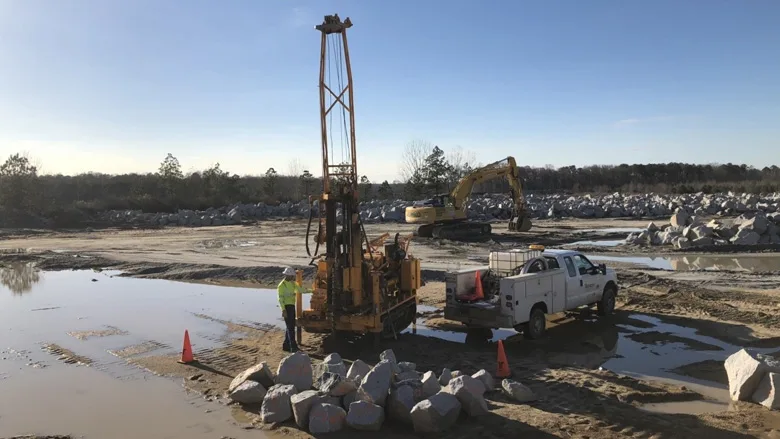
In a major move supporting carbon capture and storage, the U.S. Environmental Protection Agency (EPA) has issued three final Class VI underground injection permits to ExxonMobil for a project in Jefferson County, Texas. These permits, issued under the Safe Drinking Water Act, give the green light for ExxonMobil to repurpose three existing state-permitted test wells into long-term carbon dioxide (CO₂) storage wells.
“Texas has successfully managed underground injection wells for decades while protecting drinking water, and I'm confident they'll continue this success with Class VI wells,” said EPA Regional Administrator Scott Mason. “These permits advance ExxonMobil's Rose carbon storage project, creating jobs and protecting health and the environment through advanced technology. EPA is committed to removing bureaucratic barriers to unleash American energy.”
ExxonMobil welcomed the announcement, calling it a crucial step in advancing low-carbon technology.
“We appreciate all the work from the EPA, under the Trump administration, to issue these permits for our Rose carbon storage project. It marks an important step in strengthening America’s energy industry through safe, permanent CO₂ storage,” said Barry Engle, president of ExxonMobil Low Carbon Solutions. “We’ve worked diligently to meet or exceed the rigorous standards set. Carbon capture and storage projects will create growth, jobs, and economic opportunity, and we’re pleased to play a leading role in advancing their deployment.”
Class VI wells are specifically designed to store CO₂ deep underground after it's captured either from industrial emissions or directly from the atmosphere. The permits will allow ExxonMobil to inject between 1.1 and 1.67 million metric tons of CO₂ annually into each well, with a maximum of 5 million metric tons per year across all three. Over a 13-year injection period, the total allowable CO₂ storage could reach up to 53 million metric tons.
Before any injection begins, ExxonMobil must comply with a series of strict EPA regulations. These include conducting in-depth site analyses, using approved construction materials, and ensuring mechanical integrity to prevent leaks or groundwater contamination. The company is also required to follow emergency response plans and monitor the site to prevent seismic activity linked to human activity.
EPA first proposed the permits in August and followed with a public comment period and virtual hearing. Final permit documents, including the agency’s responses to public comments, are now available in the public docket.
Looking for a reprint of this article?
From high-res PDFs to custom plaques, order your copy today!