America’s Hottest Geothermal Plant to Tap Volcano Power by 2026
Engineers working in central Oregon are tapping into the earth’s natural heat beneath the Newberry National Volcanic Monument
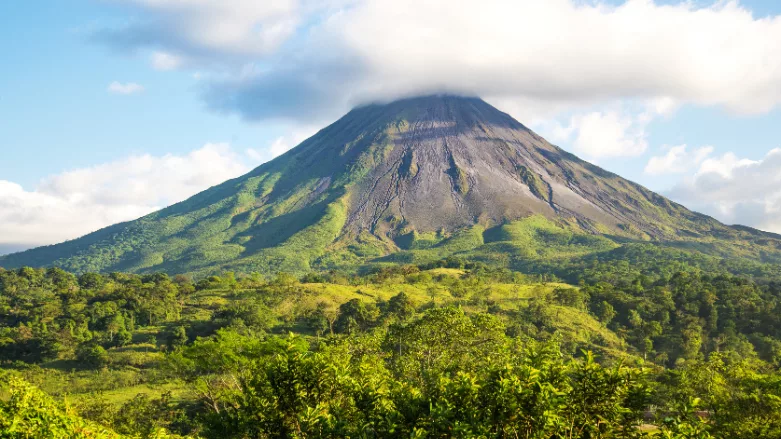
Image via Esdelval from Getty Images Pro
A geothermal project near Oregon’s Newberry Volcano is set to become one of the hottest - literally - power plants in the world. And it’s not just a scientific milestone. This development could mark a turning point for how the U.S. generates clean energy.
Engineers working in central Oregon are tapping into the earth’s natural heat beneath the Newberry National Volcanic Monument, a massive caldera formed by thousands of years of volcanic activity. If all goes to plan, electricity from this superheated geothermal source could begin powering homes and businesses as early as 2026.
While geothermal energy isn’t new, this project is pushing the limits. The temperatures being reached in the rock beneath Newberry - clocking in at a staggering 629°F (332°C), according to the U.S. Geological Survey - are significantly higher than what most geothermal systems are used to handling. These extreme conditions present both a challenge and an opportunity.
What makes this project stand out is its use of “superhot rock” geothermal - a term gaining traction in the energy world. Traditional geothermal plants rely on moderate underground heat to produce steam, which then drives turbines. But by drilling deeper and accessing much higher temperatures, the energy output can be dramatically increased - potentially delivering 5 to 10 times more power from the same footprint.
This is the kind of scale energy experts say we’ll need to meet growing electricity demands and climate targets. According to the International Energy Agency, superhot geothermal systems could, in theory, produce up to 150 times more electricity than the entire world currently uses - if the technology can be scaled up and deployed widely.
That’s where this project near Newberry comes in. It’s not just a demonstration site; it’s a proving ground for making this ambitious technology viable in the real world.
Supporters of geothermal energy see this as a pivotal moment. Clean Air Task Force’s Terra Rogers told The Washington Post that much of the remaining work comes down to refining engineering designs, not inventing new science. In other words, we already have the tools - it’s just a matter of applying them smartly and affordably.
That’s an important distinction. Because for geothermal to go from niche to mainstream, it needs to compete on cost, scalability, and reliability — especially with other renewables like wind and solar already well ahead in deployment.
Venture capitalist Vinod Khosla, a longtime backer of clean energy startups, has argued that to make geothermal a truly significant player in the global energy mix, projects must aim for extremely high temperatures - like those being targeted at Newberry. “To do consequential geothermal that matters at the scale of tens or hundreds of gigawatts,” he told The Post, “you really need to solve these high temperatures.”
The location for this breakthrough is no accident. The Pacific Northwest is home to a number of geothermal hotspots, and Oregon’s Newberry Volcano has long been considered a prime site for advanced geothermal experiments. It’s part of the larger Cascade volcanic arc — a region known for its underground heat, tectonic activity, and seismic complexity.
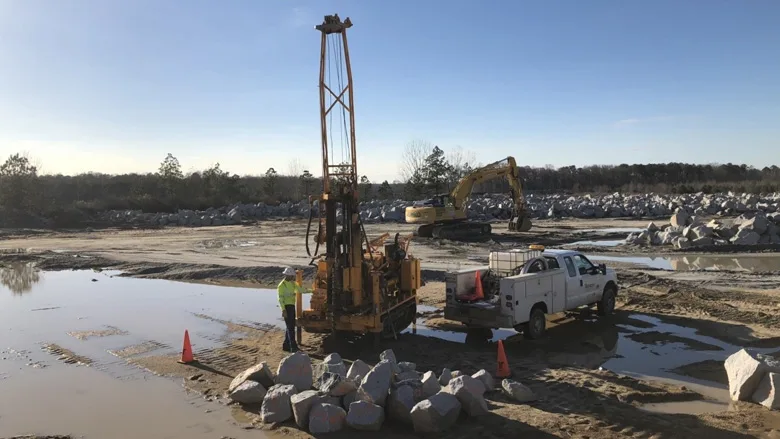
Still, there are technical hurdles to overcome. Drilling into superhot rock is challenging and expensive. Equipment must withstand extreme conditions for extended periods, and heat management becomes much more complex at these temperatures. However, advances in materials science and drilling techniques - some borrowed from the oil and gas sector - are making these efforts more feasible.
Environmental concerns have also been raised, particularly around potential seismic impacts or groundwater disruption. So far, regulators and developers say the project is operating under strict safety protocols, with environmental monitoring in place.
If successful, the implications could be huge. Superhot geothermal energy isn’t limited to volcanic regions - it could be harnessed in many parts of the world with the right drilling depth and geological conditions. That means it has the potential to be a globally scalable clean energy source, offering 24/7 baseload power - something wind and solar struggle to provide without extensive storage solutions.
As the world looks for reliable and emissions-free energy options, this project in Oregon might just prove that the key to a sustainable future lies deep beneath our feet - in the same fiery forces that once shaped the land.
Looking for a reprint of this article?
From high-res PDFs to custom plaques, order your copy today!