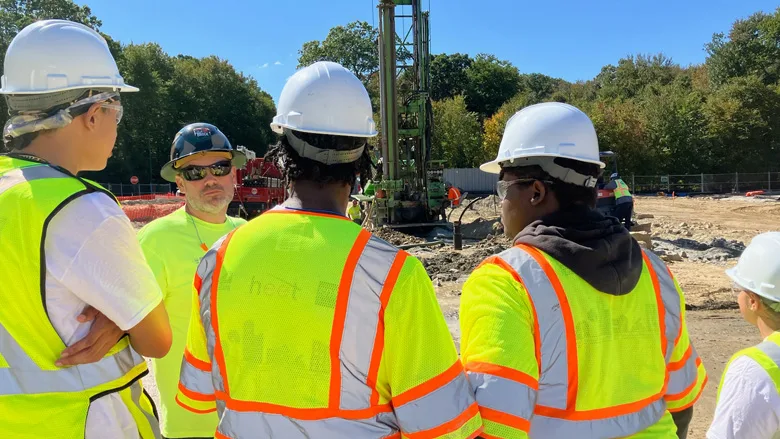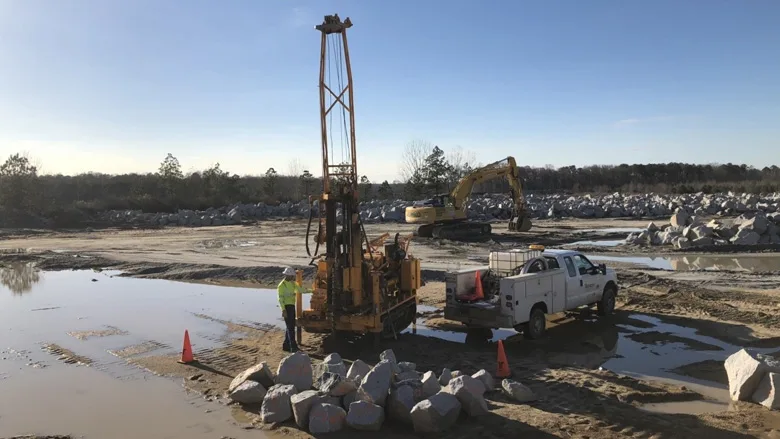
Federal Shutdown Hits Colorado Hard as Energy Grants Are Canceled
These funds were expected to support initiatives ranging from methane reduction and grid modernization to renewable energy infrastructure
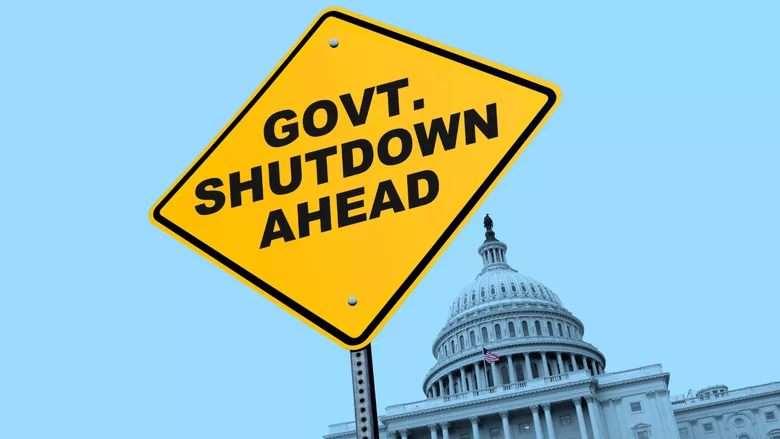
Image via DNY59 from Getty Images Signature
As the federal government shutdown stretches into its second week, the consequences are beginning to take shape in Colorado—most notably in the clean energy sector. The U.S. Department of Energy has announced the elimination of $7.6 billion in energy grants across 16 states, with Colorado losing more than $500 million earmarked for 30 critical projects.
These funds were expected to support initiatives ranging from methane reduction and grid modernization to renewable energy infrastructure and community energy resilience. Now, that momentum has stalled, and the ripple effects are already being felt across the state’s energy economy.
The Colorado Energy Office has confirmed the cancellations, warning that the abrupt withdrawal of federal funding could have immediate and long-term consequences. Among the potential impacts: higher energy costs for consumers, increased strain on the electrical grid, and delayed or canceled emissions-reduction efforts tied to the state’s climate goals.
Several of the affected grants were directed toward improving Colorado’s grid resilience in both urban and rural areas. These projects were designed to prepare for extreme weather, reduce outages, and help integrate more renewable energy into the power supply. Without them, experts say grid reliability could be weakened just as demand continues to grow.
The loss also hits Colorado’s growing clean tech and renewable energy industries, which have attracted national attention for their innovation and job creation. Many of the canceled grants were awarded to local governments, research institutions, utilities, and startups, forming partnerships that are now left scrambling to find alternative funding—or halt projects altogether.
Smaller communities that were depending on these investments to cut energy costs and reduce reliance on fossil fuels may now be forced to shelve their plans. For some, the funding represented not just energy savings, but local job growth and regional development.
The decision to rescind funding has also sparked a political backlash, as many of the affected states lean Democratic. While the Department of Energy has not publicly detailed the rationale behind the selection of states impacted, officials in Colorado have characterized the move as politically motivated and warned it could create long-term instability in the state’s energy strategy.
In the absence of federal support, state and local agencies may now face pressure to fill funding gaps—a tall order amid broader budget concerns related to the shutdown itself.
What’s Next?
With no clear resolution in sight on Capitol Hill, Colorado’s energy leaders are bracing for prolonged disruption. Advocates warn that even if federal funding is eventually restored, delays in project timelines and erosion of public-private partnerships could take months—or even years—to rebuild.
For now, a state that has long positioned itself as a national leader in clean energy innovation is facing a critical test: how to keep moving forward when federal support disappears overnight.
Looking for a reprint of this article?
From high-res PDFs to custom plaques, order your copy today!