EPA Reports 21% Drop in Toxic Chemical Releases, But Some Utilities See No Change
But some water utilities say increases or decreases of toxic chemicals from industrial releases have not been seen
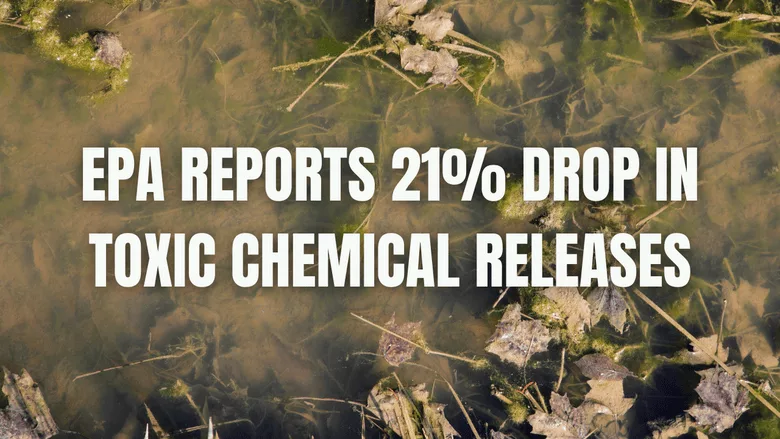
Image via Ozdigital from Getty Images Signature
The Environmental Protection Agency (EPA) has released its 2023 Toxics Release Inventory (TRI) National Analysis, showing that industrial releases of toxic chemicals—including PFAS, lead, mercury, and dioxins—decreased by 21% between 2014 and 2023. However, some local water utilities report no significant change in the presence of these chemicals in their systems.
According to an EPA press release issued on August 21, 2025, more than 21,000 industrial facilities submitted data to the TRI Program in 2023. These facilities reported managing 34.6 billion pounds of TRI-listed chemical waste, with 90% of it handled through preferred methods such as recycling, energy recovery, or treatment. The remaining 10% was either disposed of or released into the environment.
Facilities must report where the chemical waste is released—air, water, or land—and whether those releases occur onsite or are sent offsite to landfills or for underground injection.
The report also includes historical data from 1998 to 2023, showing a 54% decline in chemical releases during that period, even as the U.S. gross domestic product (GDP) grew by 74%. According to the EPA, this indicates that economic growth and environmental protection can go hand-in-hand.
“With this analysis, EPA is showing how American industry continues to improve its environmental performance while growing the economy,” said Nancy Beck, principal deputy assistant administrator for the EPA’s Office of Chemical Safety and Pollution Prevention.
Despite the national progress, some utilities report stable levels of industrial toxic chemicals in local water sources.
Jason Norquest, executive director of the Southwest Kansas Groundwater Management District (SKGM), told The Driller that industrial facilities in their service area “do a pretty good job of cleaning the water before anything is discharged.” SKGM, which conducts random river flow tests and voluntary well monitoring, has not observed significant changes in toxic chemical levels. Norquest added that their only major concern is uranium in the Arkansas River, which originates from natural formations—not industrial activity.
Sara Sgantas, communications and outreach manager for the Northern Kentucky Water District (NKWD), noted that NKWD could not comment on toxic chemical levels, as their monitoring focuses on finished water rather than raw water sources.
The EPA will host a public webinar on the 2023 TRI National Analysis on September 30, 2025, at 3:00 p.m. ET. For details or to register, visit the EPA’s TRI National Analysis page.
Looking for a reprint of this article?
From high-res PDFs to custom plaques, order your copy today!