7 Real-World Challenges Drilling Contractors Face
Industry leaders break down the real-world obstacles facing modern drilling contractors – from city streets to remote backcountry
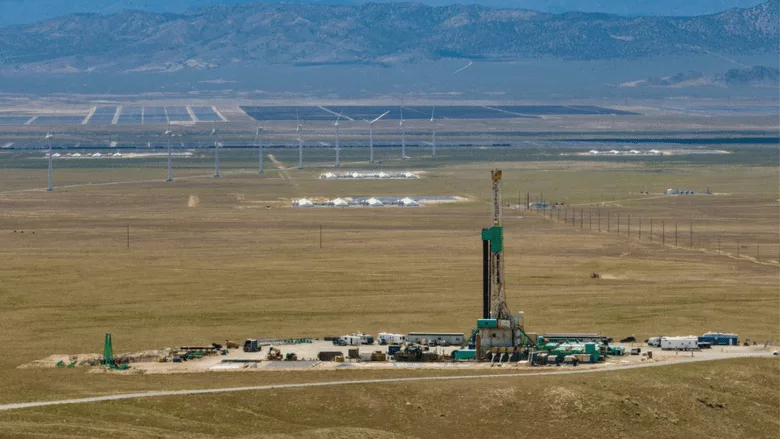
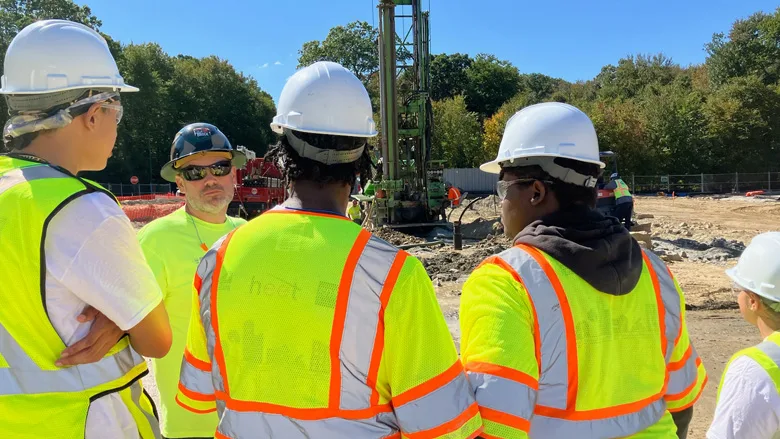
Crews at work at the Utah FORGE geothermal research site, where drilling contractors navigate complex geology and unpredictable conditions to advance clean energy solutions.
As the world beneath our feet grows more complicated, the work of drilling contractors has never been more nuanced – or more crucial. Whether it’s threading rigs through city streets, braving the elements in remote wilderness, or tackling the unpredictable mix of rock, sand, water, and contamination, the job demands more than machinery. It requires deep expertise, nimble planning, and open lines of communication.
That was the message from the latest Cascade Environmental webinar, “Solving Common Drilling Challenges: Tips and Tricks,” where a trio of the company’s operations leaders peeled back the curtain on what separates successful projects from the rest. Moderated by Renee Roberts, marketing operations specialist, the session brought together Pete Larson, senior vice president of operations for the Northwest and Desert Areas; Trent Kastner, regional estimator for Cascade’s Clackamas, Oregon, office; and Andrew Witzel, director of operations for the Southwest. Across 90 minutes, they shared not just technical know-how, but the culture and mindset that keeps jobs safe, efficient and on track – even when the ground throws a curveball.
1. Navigating Tight Urban Spaces
Contrary to the scenic photos that grace company brochures, much of Cascade’s work unfolds in the heart of busy cities – where space is tight, hazards abound, and the margin for error is slim. The panelists stressed that success in these environments starts long before any rig rolls onto the site.
Larson described the mental checklist that guides every new project: “Have you looked up for overhead lines? Checked for buried utilities? Secured the right permits and traffic control plans?” Even seemingly obvious steps can’t be skipped. “I’ve seen jobs where the drill locations are marked directly beneath power lines – no one bothered to look up,” he recalled.
The company’s focus on up-front information gathering – collecting detailed site maps, consulting satellite imagery and asking pointed questions about site constraints – sets the stage for a safer, smoother operation. The team pointed out that urban projects often demand compact, specialized rigs, able to work in footprints as small as 10 by 40 feet, sometimes only within strict nighttime windows due to local noise ordinances.
The more information clients can provide from the outset, the better the team can deliver the right equipment, anticipate site constraints and avoid costly surprises. As Witzel put it, “The more we know, the more ready we are when we show up to drill.”
2. Battling the Elements
Cascade’s teams work everywhere from the blazing summer heat of Phoenix to the frozen earth of the Rockies. Witzel walked through the protocols that keep crews safe and projects on schedule: hydration plans, shaded rest areas and the use of OSHA’s heat index to limit exposure. Every vehicle is air-conditioned, and supervisors monitor conditions in real time using mobile weather apps.
Winter brings its own set of headaches. On a project in Minnesota, rigs were fitted with heated “doghouses” and insulated covers, allowing crews to keep working even as temperatures plunged. Winter work, the panelists agreed, means longer shifts, extra equipment checks and higher costs – sometimes up to 15 percent more than in milder seasons.
High winds and lightning require quick decisions and a culture of safety above all else. Crews are trained to halt operations at 35 mph winds or at the first sign of lightning, taking shelter in rubber-tired trucks. Kastner recounted a close call when a lightning strike destroyed a work vehicle – but the crew, trained and inside, walked away unharmed. “That training saved lives,” he said.
3. Gaining Access: Credentials, Logistics and the Unknown
Sometimes, the biggest obstacle to drilling isn’t below ground but at the gate. “Before we ever set foot on a site, we need to know what credentials are required,” Kastner said. Department of Defense facilities, energy infrastructure, and railroads each have their own layers of security, training and badging – sometimes requiring FBI background checks and specialized safety courses.
Before we ever set foot on a site, we need to know what credentials are required.
Logistics don’t stop at paperwork. Many remote sites require hours of travel from the nearest lodging, and access roads may have to be built or improved just to get equipment to the right spot. Emergency planning is a must: crews need reliable communication, clear signage, and defined evacuation routes.
Technology, again, acts as a force multiplier. Every field worker is issued an iPad loaded with site plans, health and safety protocols, daily reporting forms and communication tools. This digital backbone streamlines documentation and keeps everyone aligned, even as projects scale in size and complexity.
4. Choosing the Right Equipment and Methods
The wrong rig can turn a routine job into a costly headache – so the panel emphasized starting with a thorough understanding of each project’s goals, geology, and constraints.
“What’s the purpose of your borehole? What are the site’s physical limitations? What do you need from your samples?” Larson asked, noting that early clarity pays dividends.
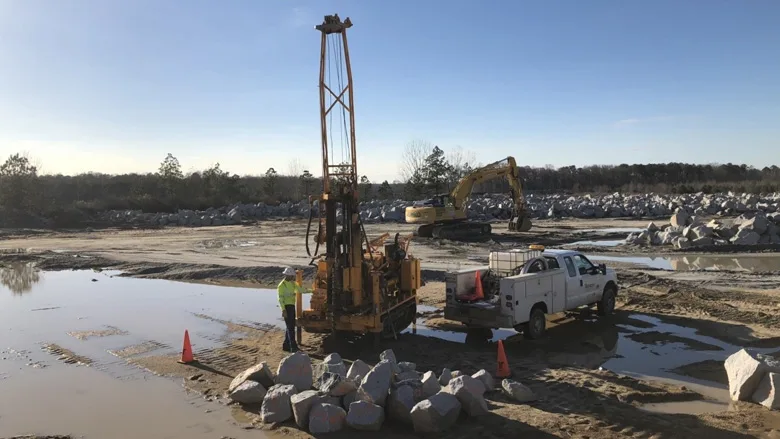
The arsenal includes everything from mini sonic rigs for tight urban sites to heavy-duty track rigs for deep or remote drilling. Speakers described how knowledge of local geology, contamination risks like PFAS, and project requirements helps determine whether to use sonic, air rotary, mud rotary or wireline coring methods.
Support equipment also matters – from telehandlers and skid steers for material handling to specialized samplers for overwater or soft sediment work. The panel encouraged treating field experts as partners in planning, not just contractors, to ensure the right tools are on site from day one.
Much of the work centers on groundwater – testing for contamination, installing wells, and characterizing difficult hydrological conditions. Details matter: PFAS and other contaminants dictate not just the sampling protocol but even the clothing crews can wear (no Gore-Tex allowed). Knowing what’s underground – be it pressurized artesian water, heaving sands, or high temperatures generated during sonic drilling – can make or break a project.
Permitting is another minefield. Each state, sometimes each county, has its own set of rules for drilling, logging, and reporting. Failure to secure the right paperwork or certified personnel can halt a project before it starts. The panel urged relying on experienced staff to navigate permitting, compliance, and the nuances of investigative derived waste management.
Even with preparation, subsurface surprises abound. Collapsing boreholes – caused by loose, fractured, or water-saturated formations – can stall progress and drive up costs. The team described strategies ranging from muds and cements to telescoping casings and alternate drilling methods. “Every formation is different,” Witzel noted, “and what works in one state might not work in another. That’s where field experience comes in.”
5. Safety and Culture: The Heart of the Operation
From site-specific health and safety plans to daily tailgate meetings and journey management protocols, the panel said it’s important to build redundancy and awareness into every step. DOT compliance, electronic driver logs and in-vehicle cameras add layers of oversight and protection – not just for regulatory reasons, but because “getting everyone home safe is non-negotiable,” Larson said.
6. Lessons Learned: Flexibility and Problem-Solving
The session closed with real-world lessons learned. On a recent geotechnical job with deep boreholes and strict limits on additives, Cascade’s team worked with clients and vendors to develop new packer systems, adapt tools for dry conditions and troubleshoot issues with custom-engineered solutions. When packers were lost in deep holes, Cascade and a manufacturer devised an improved overshot retrieval tool – saving both time and expensive equipment.
Another story, set at Swift Reservoir, underscored the need for site walks and flexibility. Miscommunication led to the wrong crane being delivered, project delays and crews working on six inches of ice. “After a few rough days, we stopped, regrouped with the client and came up with a workable plan,” Kastner said. Simple solutions – like crampons for boots – paired with a willingness to adapt kept the project moving and everyone safe.
Overwater sampling projects brought their own lessons: sometimes, multiple holes are needed to collect enough soft sediment, and experience-driven tweaks to sampling methods help ensure the integrity of what’s collected for analysis.
7. Communication and Data Above All
Asked how to spot or prevent problems like heaving sands, the panel pointed to the value of detailed site logs and historical data. But above all, they returned to the theme of communication. “If information isn’t shared, projects slow down and costs rise,” Witzel said.
Cascade’s next webinar, “Optimizing Remediation Through Accurate Site Insights,” is slated for Sept. 10, 2025.Looking for a reprint of this article?
From high-res PDFs to custom plaques, order your copy today!