U.S. and Norway Double Down on Water Power Research Partnership
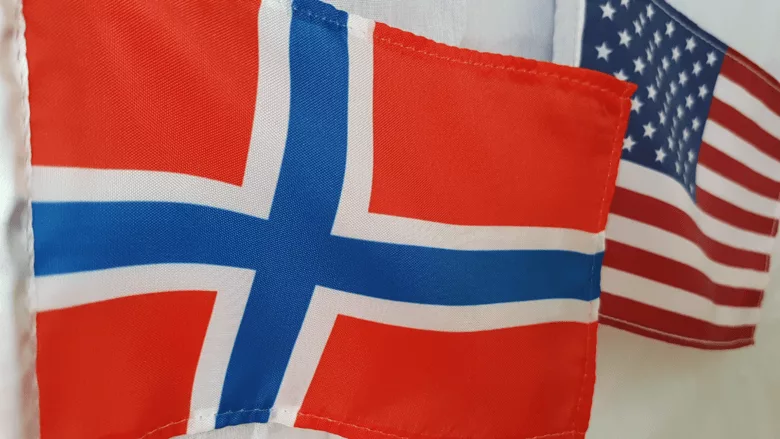
Image via Luis M from Getty Images
In a fresh sign of transatlantic cooperation on clean energy, the U.S. Department of Energy (DOE) has extended its partnership with Norway’s Royal Ministry of Energy to continue pushing the boundaries of water power research and development. The renewed agreement builds on a Memorandum of Understanding (MOU) first signed in 2020 and reflects both nations' shared commitment to harnessing the power of water—from rivers to the open sea—for clean, reliable energy.
The newly extended MOU doesn’t just pick up where the last one left off. It broadens the scope of collaboration to include marine energy—a rapidly evolving area that taps into ocean waves, tides, and currents to generate electricity. For energy experts, this is an exciting development, as marine energy has the potential to bring locally sourced, renewable power to millions—especially in coastal regions where demand is highest.
“Strong partnerships drive innovation, and innovation strengthens America’s energy future,” said U.S. Energy Secretary Chris Wright in a statement announcing the extension. “Hydropower is a tremendous resource—one that supports reliable, affordable power across the country and holds vast potential to bolster America’s grid.”
The partnership between the DOE and Norway’s hydropower experts has already yielded promising results. Since 2020, researchers from DOE’s Water Power Technologies Office and Norway’s Research Centre for Hydropower Technology have worked together to improve the design, efficiency, and reliability of water power systems. Now, with marine energy in the mix, they’re looking to unlock new frontiers in clean energy innovation.
Lou Hrkman, Principal Deputy Assistant Secretary for Energy Efficiency and Renewable Energy, pointed to the benefits this collaboration could offer. “Our work with Norway—another country that’s rich in water power resources—is helping us scale up generation, modernize existing facilities, and build the technical know-how needed to take full advantage of these opportunities.”
What makes this partnership particularly notable is its emphasis on shared learning. The two countries will continue to exchange foundational information, research tools, and technologies aimed at accelerating the development of next-gen water and marine energy systems. In practical terms, that means reducing barriers to testing, deployment, and commercialization—key steps toward making these energy sources more viable in real-world settings.
For both the U.S. and Norway, the collaboration underscores the value of international partnerships in tackling global energy challenges. As the world pivots toward a more sustainable future, tapping into renewable sources like water power isn’t just smart—it’s essential.
Looking for a reprint of this article?
From high-res PDFs to custom plaques, order your copy today!

.webp?height=200&t=1759101148&width=200 "Cess pools in hawaii")