Whether you’re new to the industry or a longtime boots-on-the-ground professional, knowing the right way could mean the difference between a clear compact borehole wall and needing to rethink the whole process entirely.
The Driller looks at three newsworthy items affecting the work you do. Consider it your two-minute news update for the drilling community and the industry at-large.
Each week, The Driller looks at three newsworthy items affecting the work you do. Consider it your two-minute news update for the drilling community and the industry at-large.
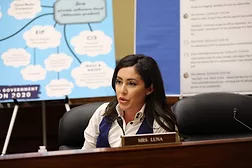
The amendment preserves the ability of states and individuals to hold manufacturers accountable and prevents federal overreach that would override stricter local protections.
Awaiting approval in the Senate, this amendment preserves the ability of states and individuals to hold manufacturers accountable and prevents federal overreach that would override stricter local protections.
With so much happening in the industry and at-large, The Driller plans to provide a weekly wrap of three topics you should know before you head out the door.
The EPA’s latest update is a step toward making information more accessible. As lead exposure continues to affect homes, schools, andcommunities, clearer guidance could help people take action sooner.