With DOE-funded labs increasing their AI research and computing capacity under OBBB, environmental advocates are warning that the resource footprint of AI is being overlooked in the push for innovation.
The stop-work order, while framed as temporary, adds an element of regulatory unpredictability that could discourage future infrastructure development and delay innovation
Because EPA did not follow the procedures when it finalized the rule governing the four hazard index chemicals, the petitioners expect EPA will “redo the regulatory process for those four hazard index chemicals, and our hope is that those will be separated from the case and will not be adjudicated.”
The $12 million in grants offers important support for state and tribal programs—especially as carbon capture initiatives and industrial expansion ramp up.
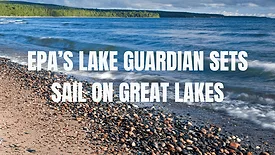
The EPA has been running these sampling surveys since 1983, building what’s now the longest-running and most comprehensive data set on Great Lakes health.
For now, most Butte residents can safely use their tap water again—but the situation remains under close watch as environmental authorities continue to test and assess water quality.

 RSS
RSS