EPA Awards $1.7M to Tackle Cross-Border Mining Pollution
The grant recipients include a mix of Tribal nations and state agencies located in the Pacific Northwest and Alaska.
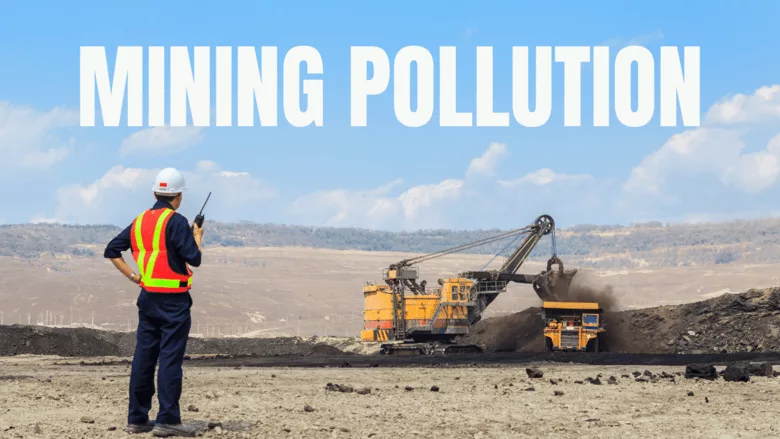
Image via Burana Trakul from Getty Images Pro
The U.S. Environmental Protection Agency (EPA) announced today that eight organizations will receive a combined $1.75 million in funding through the agency’s newly launched Transboundary Watershed Grant Program, aimed at monitoring and reducing mining-related pollution in watersheds shared by the United States and British Columbia, Canada.
The grant recipients include a mix of Tribal nations and state agencies located in the Pacific Northwest and Alaska:
- Confederated Salish and Kootenai Tribes
- Central Council of the Tlingit and Haida Indian Tribes of Alaska
- Kootenai Tribe of Idaho
- Ketchikan Indian Community
- Confederated Tribes of the Colville Reservation
- Idaho Department of Environmental Quality
- State of Alaska Department of Fish and Game
- Montana Department of Environmental Quality
This first round of funding—$1,749,700 total—comes in response to growing concerns over pollution from proposed, active, and legacy mining operations in British Columbia that impact downstream waters in U.S. states including Alaska, Idaho, and Montana.
Victoria Tran, Principal Deputy Assistant Administrator for EPA’s Office of International and Tribal Affairs (OITA), emphasized the significance of the program, stating:
“These grants respond to Congressional direction to reduce pollution, protect U.S. waters, and directly support Pillar One of Administrator Zeldin’s Powering the Great American Comeback initiative to provide clean air, land, and water for every American.”
The funding will support water quality monitoring, pollution assessment, and cooperative efforts to protect vital ecosystems in transboundary watersheds such as the Kootenai/y River Basin, which stretches across the U.S.-Canada border.
All eight applicants to the grant program were selected after a competitive review process. The total proposed work from these projects exceeds $4.1 million, and the EPA has secured a second year of funding to incrementally support the full scope of the proposed initiatives.
The Transboundary Watershed Grant Program is led jointly by EPA’s Office of International and Tribal Affairs, Region 8, and Region 10 offices. It reflects an ongoing commitment to enhancing collaboration between federal, state, and Tribal partners to safeguard shared water resources.
Key stats about mining pollution:
- A comprehensive study estimates that 23 million people worldwide are at risk of exposure to unsafe levels of toxic metals—such as copper, lead, zinc, and arsenic—from contaminated air, water, and food sources.
- Artisanal and small-scale gold mines contribute approximately 30% of global mercury emissions annually. In Colombia, the mercury released into the environment may total up to 150 metric tons per year, making it one of the world’s highest per-capita mercury polluters.
Looking for a reprint of this article?
From high-res PDFs to custom plaques, order your copy today!