EPA Flexes Its Muscle — But Will It Stick?
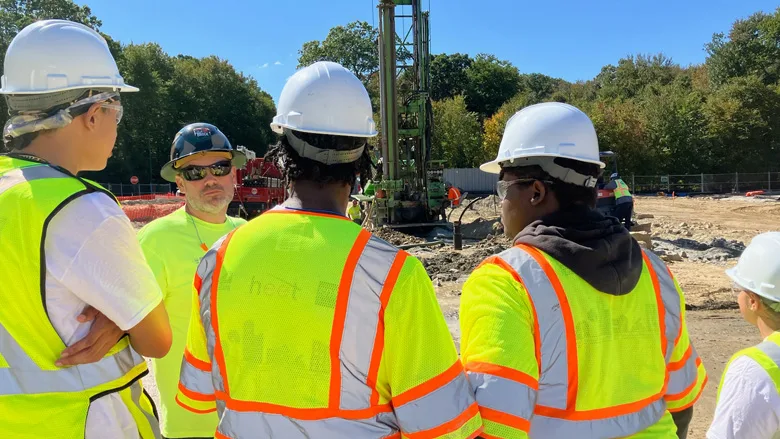
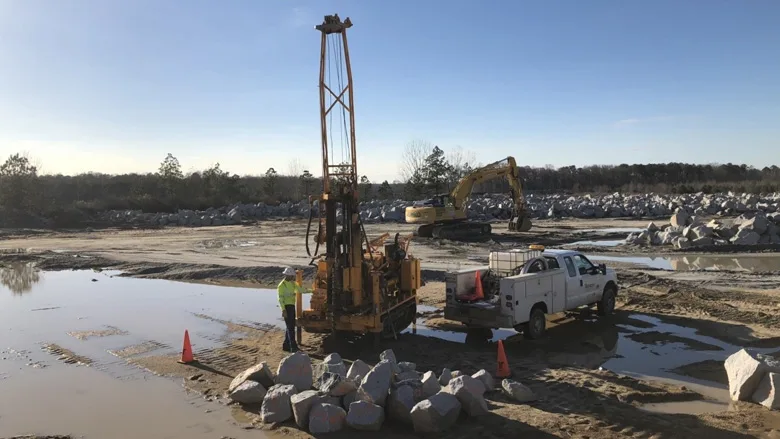
Construction projects disturbing an acre or more need a stormwater construction permit under the Clean Water Act
Image via Too-Ibrahim from Getty Images
The U.S. Environmental Protection Agency (EPA) just dropped an administrative Clean Water Act order on two local developers — Desarrolladora Yahir, Inc. and A & M Group, Inc. — after finding they let construction sediment run off into Piletas Creek and out toward the Caribbean Sea near Rincón.
The EPA didn’t mince words: the developers must now stop the pollution, install proper erosion and sediment controls, and start filing joint progress reports to prove they’re actually doing it.
EPA’s Regional Administrator Michael Martucci put it plainly:
“When developers and contractors don’t comply with common‑sense requirements to control erosion and run‑off from sites, they can pollute nearby waters,” he said. “If companies follow the rules, development projects … can proceed while we continue to safeguard our environment.”
That’s exactly what critics are wondering: Sure, that all sounds great, but will they actually follow through? It’s one thing to green‑light development, and another to enforce long‑lasting protections—especially in an environmentally sensitive area like the Tres Palmas Marine Reserve.
Construction projects disturbing an acre or more need a stormwater construction permit under the Clean Water Act—and must follow guidelines to curb runoff pollution. The EPA says failure to do so is a violation of federal law.
So, yes, it’s encouraging that the EPA is stepping in—but some locals remain skeptical. In Puerto Rico’s history of environmental enforcement, orders haven’t always stuck. For example, back in early 2023, the EPA ordered similar actions to restore wetlands in Rincón—but enforcement and follow-through were spotty.
Meanwhile, residents elsewhere in Puerto Rico have grown weary of promises without results. After Hurricane Maria, trust eroded quickly—officials said drinking water was safe, but locals kept wondering, “Is it really safe?”
Bottom line? It’s a win that the EPA is holding developers accountable—and raising awareness about stormwater’s threat to coastal ecosystems. But long-term success will hinge on consistent enforcement standards, transparent follow-up, and whether the public can keep the pressure on to make sure this time, things actually improve—not just on paper, but in Rincón’s waters.Looking for a reprint of this article?
From high-res PDFs to custom plaques, order your copy today!