Fall Back. A Plan for What's Ahead
Jobsite Plans for Shorter Days and Seasonal Risks
Key Takeaways
- Seasonal changes like darkness, wet surfaces and colder temperatures can alter jobsite risks even when the work stays the same.
- Crews should reassess conditions when circumstances change instead of relying solely on risk assessments completed earlier in the day.
- Leaders should build seasonal conditions into schedules, budgets and estimates so crews can adjust safely without sacrificing productivity.
Every fall, something changes on our job sites that rarely appears as a line item on a Job Hazard Analysis (JHA).
Time
The days get shorter. The sun rises later and sets sooner. Mornings are cooler, sometimes cold. Cool mornings can leave work surfaces wet with dew. Leaves collect on roads and walking surfaces. Rain combines with darkness and glare. Eventually, depending on where we work, frost and freezing temperatures enter the picture.
None of those things is particularly dramatic by itself. That's part of the problem. Risk doesn't always announce itself with a flashing light and a warning sign. Sometimes it arrives 30 seconds at a time as the sun sets a little earlier each evening.
The drilling hasn't changed. The rig hasn't changed. The crew may be the same crew following the same procedure at the same site.
But the risks have changed. Did our plan change with them?
The Plan Was Right This Morning
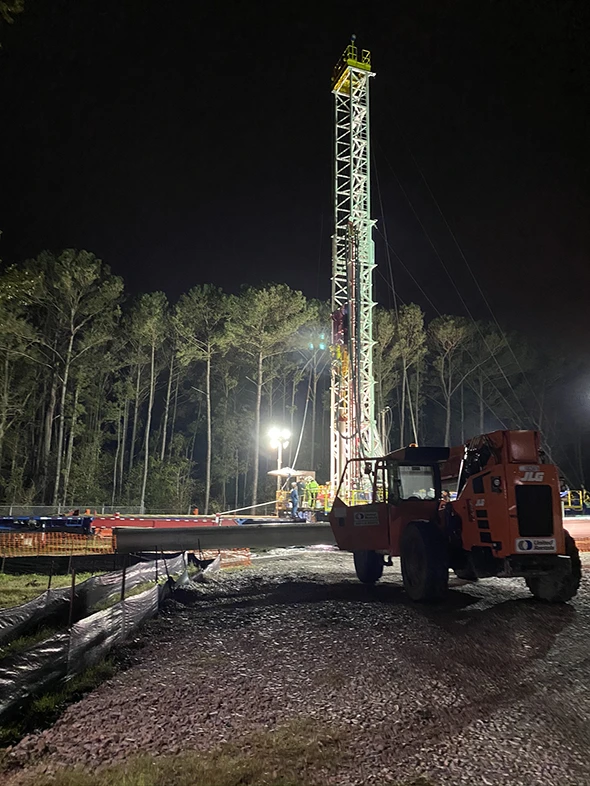
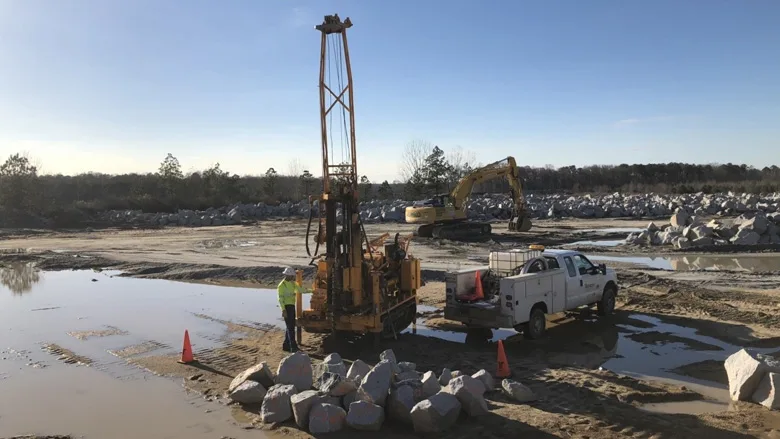
Photo: Brock Yordy
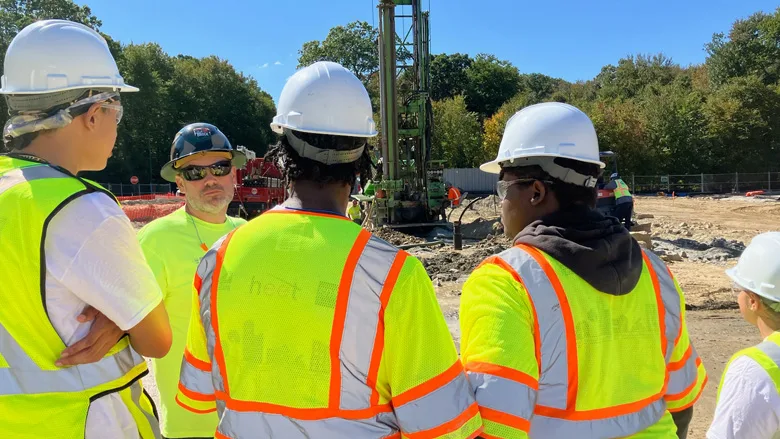
Think about a crew arriving at 7:00 on a June morning. Plenty of daylight lets you walk the site, position vehicles, unload equipment, inspect the work area, and set up the rig.
Come back to that same site at 7:00 in October. Now we're positioning trucks, deploying outriggers, moving tooling, and looking for overhead and ground-level hazards in limited light. Shadows make elevation changes harder to recognize. A hose, piece of tooling, or muddy patch that is obvious at noon may be nearly invisible before sunrise.
Then consider the other end of the day.
The plan says we'll be finished by 3:30.
Except drilling doesn't always read or care about the plan.
Something takes longer. Equipment needs attention. The formation isn't what we expected. The client asks for something—one more boring needs to be completed.
Three-thirty becomes four-thirty. Now we're breaking down equipment and loading tooling as daylight disappears.
The JHA sitting in the truck hasn't changed. The risks have.
Conditions Don't Change One at a Time
Fall rarely gives us one new hazard to manage. Rain changes traction. Add fallen leaves and surfaces can get even slicker. Lower light makes it harder to see what changed the traction in the first place.
Cool mornings can leave decks, steps, ladders, and other surfaces wet with dew or frost. Temperatures move through freezing. Roads, equipment, and work surfaces change with them.
Now put somebody behind the wheel.
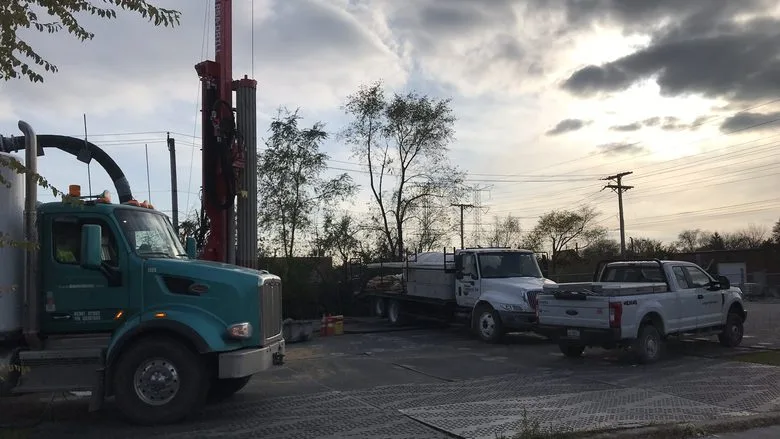
Drilling crews spend a lot of time driving. Darkness, rain, glare, wet leaves, wildlife, and changing conditions on unfamiliar roads can turn routine travel into something considerably less forgiving.
Risk accumulates. What matters is how those conditions interact, and with the work we're trying to accomplish.
Then We Add People
Another changing condition we may not talk about enough: us. Customers want the work completed. The next job is waiting. The crew wants to get home. Nobody wants to leave a little bit of work unfinished. So as daylight disappears, four words can quietly change how we manage risk:
Let's finish this.
We move a little faster. We accept lighting that is almost good enough. We carry the last piece of tooling instead of repositioning the light. We decide something will only take another ten minutes. No single decision feels riskier, but those small increases in risk accumulate until the margin we built in is gone.
Risk Assessments Have a Shelf Life
Effective safety systems don't make the work harder. They help people do good work.
Our teams don't need a new form, procedure, or box to check because October arrived. The people closest to the work need to recognize when conditions change, and we need to trust them to act. A risk assessment completed at 8:00 in the morning isn't necessarily wrong at 4:30 in the afternoon. But the assumptions underneath it may no longer be valid. Imagine a crew mobilizing on a clear October morning. The site is dry. Visibility is good. The plan calls for completing the boring and demobilizing that afternoon.
Then the work takes two hours longer than expected. A cold front moves through. The ground is wet. Leaves are blowing across the access road. Traffic is increasing as people head home. Daylight is disappearing.
Now the crew is loading tooling and preparing to back a truck toward the road. Nothing about the drilling procedure changed. Almost everything surrounding it did. That's the moment that matters.
Make the Safe Decision the Easy Decision
How do we manage changing conditions?
Stop for a minute and ask:
- What changed?
- What does that change mean for the work we're doing?
- Is the plan we started with still the right plan?
- What can we change now to make the work easier and safer?
Maybe we reposition a light, clean a walking surface, move the spotter somewhere with a better view, change the order in which equipment is loaded, reposition vehicles before darkness arrives, or slow down. And maybe the last 30 minutes of production can wait until tomorrow. That isn't lost production. An injury, damaged truck, dropped piece of equipment, or collision is lost production. Stopping long enough to recognize a changing condition is good work. But making the safe decision easy starts long before the crew arrives.
The Plan Starts Upstream
If we expect crews to adjust when conditions change, company and project leaders must ensure our schedules, budgets, and customer commitments give them room to do it.
Consider a drilling project estimated and performed in June. Maybe we expect ten productive hours on site. The crew mobilizes in daylight, works through the day, and still has plenty of light to break down the rig, load equipment, and leave the site.
Would we budget and schedule that same job the same way in January? Depending on where the work is being performed, probably not.
The drilling itself may require the same number of hours, but the productive work window may be different. The crew may need temporary lighting. Equipment and work surfaces may require additional attention. Weather may require breaks or changes in work sequence. We may also want the crew off an unfamiliar road before conditions deteriorate after dark.
Those aren't failures in productivity. They are conditions of the work.
Before committing to the schedule, company leaders should ask what time of year the work will occur and what that means for the estimate's assumptions. Build appropriate time into the job. Budget for lighting or other seasonal equipment. Think about mobilization and demobilization, not just how many hours the drilling should take. Sequence tasks that benefit most from daylight while daylight is available.
Most importantly, don't create a plan that can only succeed if nothing goes wrong. If we budget eight hours of work into an eight-hour window and conditions change, we've given the crew a choice: miss the schedule or absorb the additional risk. That's not a choice we should be pushing downstream. Sometimes the best thing a company leader can do for the person standing beside the rig in January is to make a better decision while estimating the job months earlier.
Same Job. Different Risk.
Experience matters in drilling. We've drilled this formation before. We've used this rig before. We've worked at this site before. We've driven this road a hundred times. But familiarity can fool us into believing that because the work hasn't changed, the risk hasn't changed either. Good risk management doesn't predict everything that could go wrong before the crew starts work. The world—and the places our crews work—are too complex and changeable for that. It gives people enough direction, context, and authority to recognize when reality no longer matches the plan and to adjust. That responsibility doesn't begin with the crew. It begins when we estimate the work, build the schedule, and make commitments to the customer. From there, we trust the people closest to the work to recognize when reality no longer matches the plan. The calendar doesn't cause injuries. Darkness doesn't cause injuries. Wet leaves don't cause injuries. Problems develop when conditions change, and our plan doesn't change with them. So, this fall, don't just ask whether your crew is doing the same job safely.
Ask whether it is still the same job.
Because at 4:30 on an October afternoon, it may not be.
Looking for a reprint of this article?
From high-res PDFs to custom plaques, order your copy today!