Safety News
Why Safety Training Still Fails in 2026
Safety culture isn't built through posters and checklists alone. It relies on understanding your workforce: how employees learn, and what leaders do after the training’s over.
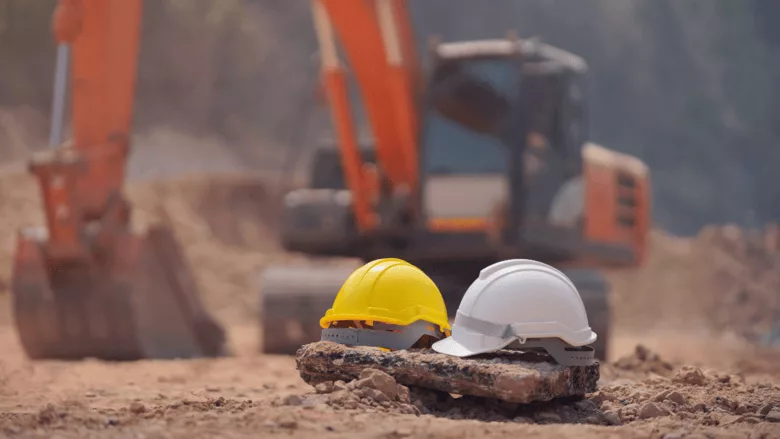
Image via Nong from Getty Images
Safety training doesn't generally fail on its own merits.
Most safety professionals genuinely care. They invest in better instructors, better videos, better learning management systems, and better assessments. Organizations have never had more tools to deliver training, track completion, and document compliance.
So why is it that people still walk into a safety training session (or log into an LMS) with the mindset that, “This isn't really going to matter?”
Simple: They're right.
Now, don't stop reading just yet. I'm not saying the content isn't important. I'm saying the attitude becomes a self-fulfilling prophecy. If you can't change how people approach safety training, you'll never get the behaviors, habits, and ultimately the safety culture you're trying to build.
Changing that mindset means designing training that reaches the people “in the room.” In the learning world, we call that inclusivity. It matters more than most organizations realize, especially when today's workforce spans multiple generations, multiple languages, and vastly different experiences – all expected to learn from the same content.
“Better” Isn't Better. Behavior Is Better.
We've spent decades improving safety training. Better visuals. Better videos. Better learning management systems. Better assessments.
Those improvements matter. But they aren't the end game.
We're still seeing teams where everyone completed the required training, passed the quiz, and signed the roster… with the same track record of near-misses and reportable incidents.
That's because safety culture isn't built through posters and checklists alone. It depends on understanding your workforce: how employees learn, whether they feel comfortable speaking up, and what leaders do after the training’s over.
For decades, we've treated safety training as though delivering information is enough. But… it isn't. In fact, we've been asking the wrong question all along. Instead of asking, "Who passed the training?" we should be asking, "Who's ready as an individual, and is my team prepared as a whole?"
That's the real purpose of safety training: positively influencing how people think, communicate, and respond when something goes wrong (or to prevent it).
This is an excerpt of an article that originally appeared in Industrial Safety and Hygiene News. You can read the full report here.
Looking for a reprint of this article?
From high-res PDFs to custom plaques, order your copy today!