Coal plant extension reignites the debate between job creation and environmental responsibility
As the DOE commits to keeping more coal plants active, the decision pits dependable power against research into clean energy transition
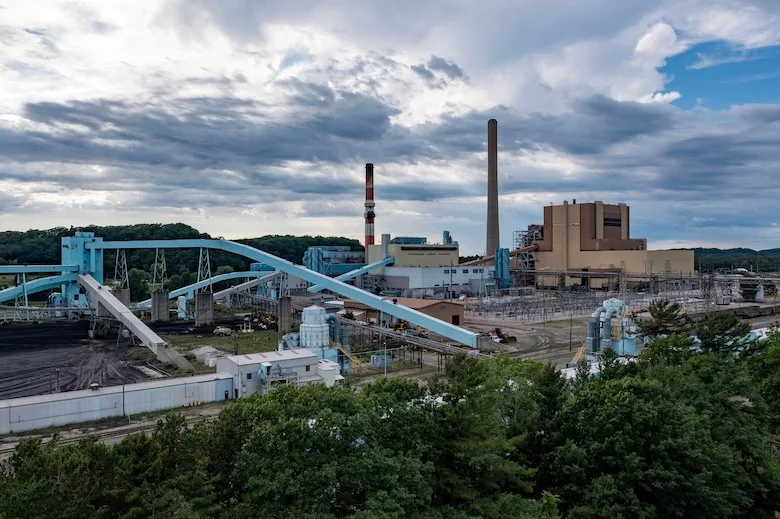
For years, the J.H. Campbell Generating Plant in West Michigan appeared headed toward retirement.
Consumers Energy, the plant's parent company, announced plans to close the coal-fired facility as part of its broader transition away from coal generation, and many expected the plant's final chapter was already being written.
Instead, the plant remains online.
Earlier this year, the U.S. Department of Energy issued an emergency order requiring the facility to continue operating, citing concerns about electric grid reliability. Last month, federal officials extended that order again, keeping the plant available through the summer.
The decision has drawn praise from some who see the plant as a critical source of dependable power. Others argue the extension is unnecessary and could increase costs for ratepayers while delaying Michigan's energy transition.
The disagreement extends far beyond a single power plant.
After years of relatively flat growth, electricity demand is rising again, driven in part by new manufacturing projects, electrification efforts, and a surge in data center development. That growth has sparked a national debate over whether power plants are being retired too quickly and what role traditional energy sources should play in keeping the lights on.Energy secretary Chris Wright has been one of the most vocal supporters of keeping Campbell online.
"The energy sources that perform when you need them most are inherently the most valuable," Wright said when announcing the extension.
He also argued that the administration would not "sit back and allow dangerous energy subtraction policies" to threaten grid reliability or increase costs for American families.
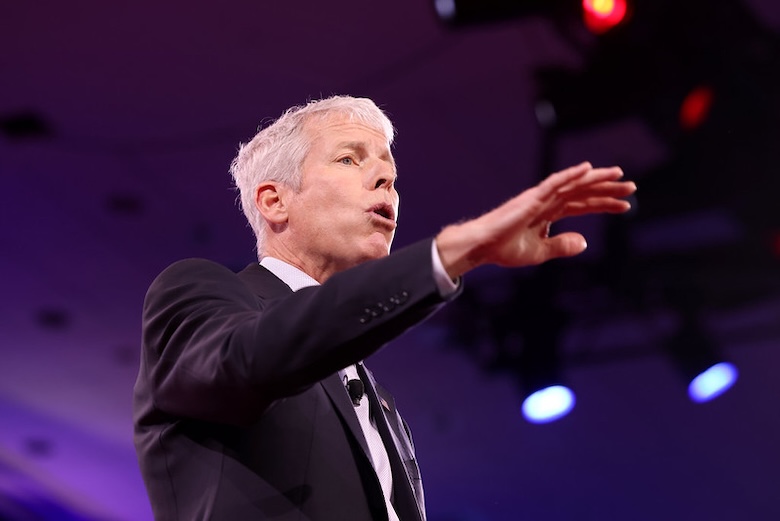 Department of Energy secretary Chris Wright Gage Skidmore / Flickr
Federal officials have pointed to the plant's performance during Winter Storm Fern and broader reliability concerns identified by the North American Electric Reliability Corporation. The Department of Energy maintains that keeping Campbell available reduces the risk of power shortages during periods of high demand.
That position has found support among some grid operators.
Earlier this year, Jennifer Curran, senior vice president of planning and operations for the Midcontinent Independent System Operator (MISO), told Congress that additional generation resources are "desperately needed" to address future reliability concerns. She added that "one of the easiest approaches" is slowing the retirement of existing power plants while replacement resources come online.
Supporters of the extension also point to the plant's role as a major employer and economic contributor in West Michigan. Although Consumers Energy had already begun transitioning employees to other facilities ahead of the planned closure, continued operations have preserved jobs and extended economic activity tied to the plant.
The situation is not unique to Michigan. Several coal plants across the country that were expected to retire in 2025 have seen their closures delayed amid similar concerns about grid reliability and rising electricity demand.
Not everyone agrees the extension is necessary.
Michigan Public Service Commission Chair Dan Scripps has argued that the state already has sufficient generation capacity.
"We currently produce more energy in Michigan than needed," Scripps said following the federal order.
He later criticized the decision more directly, saying, "The unnecessary recent order from the U.S. Department of Energy will increase the cost of power for homes and businesses in Michigan and across the Midwest."
Cost has become a major part of the debate.
Consumers Energy previously estimated that retiring the Campbell plant would save ratepayers approximately $600 million over the next 20 years. The utility had already begun preparing for closure, including moving workers to other facilities and planning community events marking the end of the plant's operations.
Environmental groups and consumer advocates have also raised concerns about emissions and public health impacts. The Campbell facility emitted roughly 6.6 million metric tons of carbon dioxide in 2023, making it one of the highest-emitting coal plants that had been scheduled for retirement this year. Opponents argue that investments in transmission infrastructure, energy storage, natural gas, geothermal energy, advanced nuclear, and renewable generation offer a more sustainable path forward.
For drilling contractors and others working throughout the energy sector, the Campbell story reflects a larger conversation unfolding across the country.
Whether the discussion centers on coal, natural gas, geothermal energy, critical minerals, or renewable power, communities are increasingly weighing the same competing priorities: reliability, affordability, jobs, environmental impacts, and growing energy demand.
There is broad agreement that America will need more electricity in the years ahead. Where that power comes from, and which resources stay online long enough to provide it, remains a much more complicated question.
The future of the J.H. Campbell plant may ultimately be decided by policymakers, regulators, utilities, and courts. But for now, the facility has become a high-profile example of the challenges facing an energy sector trying to balance economic realities, environmental goals, and an increasingly power-hungry economy.
Looking for a reprint of this article?
From high-res PDFs to custom plaques, order your copy today!

John Oldani is an editor, journalist, and reporter with over a decade of experience producing clear, engaging, and well-researched content. He holds a Bachelor of Arts in Journalism from Oakland University, with a focus on financial reporting, editing, and long-form writing. Over the past year, John has specialized in covering the drilling industry, reporting on key developments, policy shifts, and impactful stories shaping the field.
email: johnnyoldaniwords@gmail.com | office: (248) 838-8535