Deep Colorado Well Tests Geothermal Potential
Where? Weld County south of Greeley in the Denver-Julesburg Basin
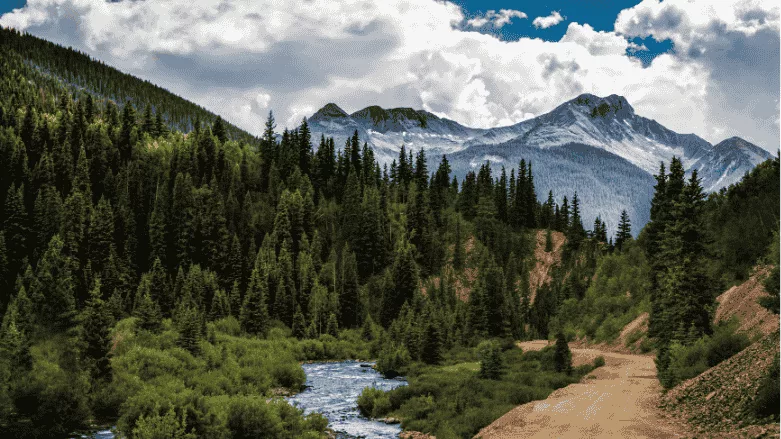
Image via Jonathan Ross from Getty Images
An oil and gas company has drilled one of the deepest wells ever completed in Colorado, not to produce fossil fuels but to test whether ultra-deep geothermal energy could become a viable source of electricity.
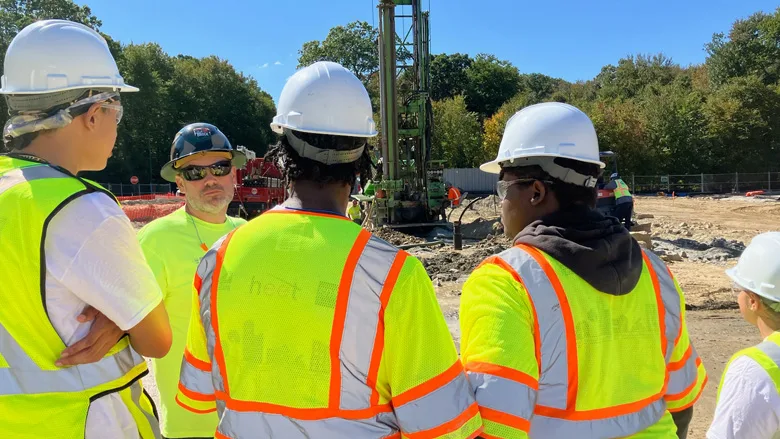
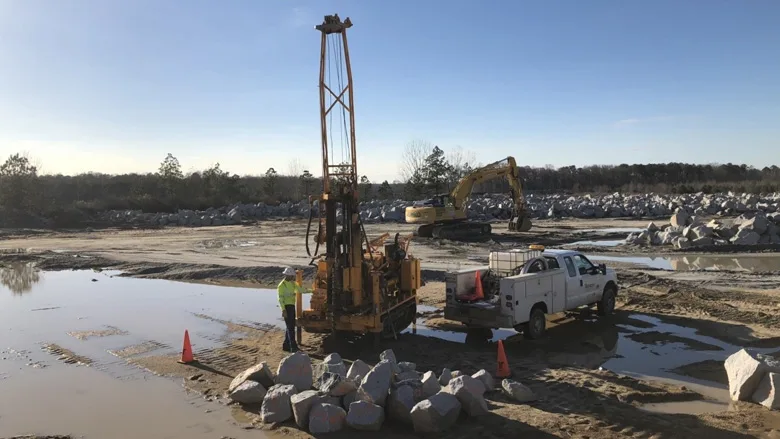
The project, led by Occidental Petroleum (Oxy), took place in Weld County south of Greeley in the Denver-Julesburg Basin, an area better known for oil and natural gas production. Instead of targeting hydrocarbons, the drilling effort aimed to reach extreme subsurface temperatures roughly 20,000 feet beneath the surface.
The initiative is known as the Geothermal Limitless Approach to Drilling Efficiencies (GLADE) project. It received $9 million in funding from the U.S. Department of Energy in 2022 to explore whether new drilling approaches could significantly reduce the time and cost required to reach super-deep geothermal resources.
According to state permitting documents, drilling began in April 2025 and produced two boreholes nearly four miles deep in less than six weeks. One of the wells was reportedly drilled in 18 days, a pace comparable to some of the fastest deep geothermal drilling efforts underway in the United States.
The wells are intended to test whether extremely hot rock formations deep underground could support geothermal power generation. Estimates suggest temperatures at the bottom of the wells may exceed 450°F, high enough to potentially generate electricity.
The concept behind the project involves linking the two wells at depth or stimulating the surrounding rock to create a circulating system. Water or another working fluid could then move through the underground loop, absorb heat from the rock, and return to the surface to produce power.
Geothermal electricity has traditionally been limited to areas with natural geothermal activity such as volcanic regions or hot springs. Advances in drilling and hydraulic fracturing technologies developed by the oil and gas industry are now expanding the possibility of accessing geothermal heat in regions without those natural surface features.
The deeper wells can reach into the Earth’s natural temperature gradient, where heat increases steadily with depth. Analyses suggest geothermal power becomes viable in far more locations if wells can reach depths of seven kilometers (about 23,000 feet) or more.
Drilling at these depths presents significant technical challenges. High temperatures and pressures can damage drilling equipment and slow operations, making super-deep wells expensive and difficult to complete.
State regulators say the GLADE project represents one of the deepest drilling efforts ever undertaken in Colorado. For comparison, the state’s deepest oil and gas well previously reached about 22,000 feet in Moffat County.
Researchers and geothermal experts say the Weld County drilling project also demonstrates the potential for tapping geothermal energy in sedimentary basins, geological formations more commonly associated with oil and gas development. If the approach proves workable, similar basins across the western United States could become candidates for geothermal projects.
While Oxy has not released detailed technical results from the project, the company has said the effort set new drilling milestones for the state. The company is now analyzing the data collected during the drilling program with academic and government partners.
Another open question is whether the wells will remain a research project or evolve into a commercial geothermal development.
Colorado has long been considered to have geothermal potential, but the state currently does not operate a commercial geothermal power plant. Past attempts to build projects, including proposals near Buena Vista in central Colorado, have faced local opposition and permitting challenges.
The Weld County site is located in a rural area already surrounded by oil and gas infrastructure, which could make it more suitable for energy development. State leaders have also taken steps in recent years to encourage geothermal investment by creating incentives and streamlining permitting processes.
An analysis prepared by federal researchers before drilling began suggested the GLADE project could theoretically support a 2.2-megawatt geothermal facility, enough electricity to power a small community or industrial operation. Early planning documents also indicated the possibility of designing a small experimental plant to test electricity generation.
For now, however, the project remains an experiment aimed at understanding whether oil and gas drilling expertise can unlock geothermal resources far deeper than conventional systems have reached.
If successful, the effort could signal a new role for fossil fuel companies in developing geothermal energy — using the same drilling rigs, workforce, and supply chains that built the modern oil and gas industry to tap the heat stored deep beneath the Earth’s surface.
Looking for a reprint of this article?
From high-res PDFs to custom plaques, order your copy today!