Mining Yesterday’s Waste for Tomorrow’s Energy
Turning toxic waste into resources
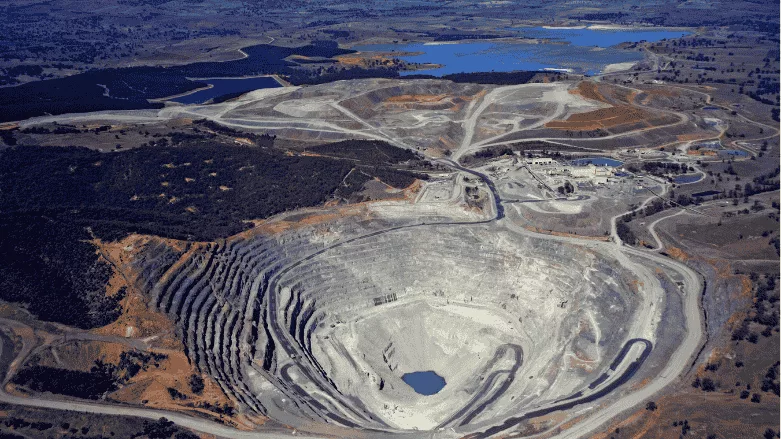
Image via Alfio Manciagli from Getty Images
For decades, mining across the U.S. left behind a mess — orange-stained streams, toxic tailings piles, and billions of gallons of contaminated water slowly leaking into surrounding land and groundwater. In places like Appalachia and the West, the environmental bill from 19th and 20th century mining never really went away.
Now, that waste is starting to look less like a liability — and more like a resource.
Researchers and companies are developing ways to pull critical minerals out of old mine waste, tailings, coal ash, and even acidic runoff. The same pollution that’s been killing streams for generations often contains rare earth elements and strategic metals — the building blocks for electric vehicles, wind turbines, batteries, power grids, and data centers.
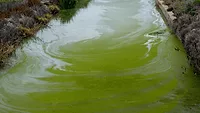
In coal regions like West Virginia, sulfur-rich rock exposed during mining reacts with air and water, creating sulfuric acid that drains into nearby creeks. That acidic water doesn’t just damage ecosystems — it also releases trace metals trapped in the rock. New recovery systems collect sludge from these waste streams, drain off the water, and refine what’s left into concentrated mineral material.
The process skips many of the most energy-intensive steps of traditional mining. There’s no blasting new rock or massive grinding operations. The material is already broken down by decades of weathering and chemical reactions. That means lower energy use, a smaller carbon footprint, and — in theory — cleaner water left behind.
Pilot facilities in Appalachia are already producing several tons of rare earth oxides each year. Much larger projects are ramping up at massive legacy sites like Montana’s Berkeley Pit, where billions of gallons of toxic mine water are being targeted for mineral recovery. Across the country, similar efforts are looking at old copper mines, coal waste ponds, and fly ash from power plants.
What’s driving the rush is simple: demand.
Rare earth elements and critical metals like copper have become essential to the modern energy economy. Everything from EV motors to grid-scale storage to hyperscale data centers depends on them. Studies suggest that reprocessing old mine waste could supply a huge portion of U.S. mineral needs — potentially shrinking the number of brand-new mines required.
Federal funding is following the trend, with major investments aimed at proving these recovery methods can work at commercial scale. At the same time, permitting for mining and waste reprocessing is being fast-tracked in the name of energy security and domestic supply chains.
Supporters see re-mining as a rare win-win: clean up pollution while producing the materials needed for electrification.
But it isn’t risk-free.
Disturbing tailings that have sat untouched for decades can release new contamination if handled poorly. Some waste has been stored underwater specifically to prevent chemical reactions — and draining those systems can trigger instability or toxic releases. Globally, tailings dam failures have shown just how dangerous mining waste can be when it’s mismanaged.
There’s also concern that faster approvals could mean weaker environmental oversight, especially at sites near sensitive ecosystems or tribal lands.
Beyond acid drainage, the scope of re-mining is expanding fast. Coal ash piles are being tapped for rare earths. Old iron, gold, and copper tailings are being revisited with modern processing techniques. Worldwide, there are thousands of tailings facilities holding hundreds of billions of cubic meters of waste — much of it still polluting surrounding areas.
The opportunity is massive.
So are the stakes.
Re-mining won’t eliminate the need for new extraction altogether. But it could dramatically shrink mining’s footprint while tackling some of its most persistent environmental scars.
In many ways, it reflects where the energy transition is headed: not just digging for new resources, but finally dealing with the leftovers of the last industrial era.
The minerals powering the future may already be sitting in yesterday’s waste.
Looking for a reprint of this article?
From high-res PDFs to custom plaques, order your copy today!



.webp?height=200&t=1761180372&width=200 "solarstorage")