EPA Moves to Narrow Clean Water Act Protections
The move rekindles an old debate and consistent issues
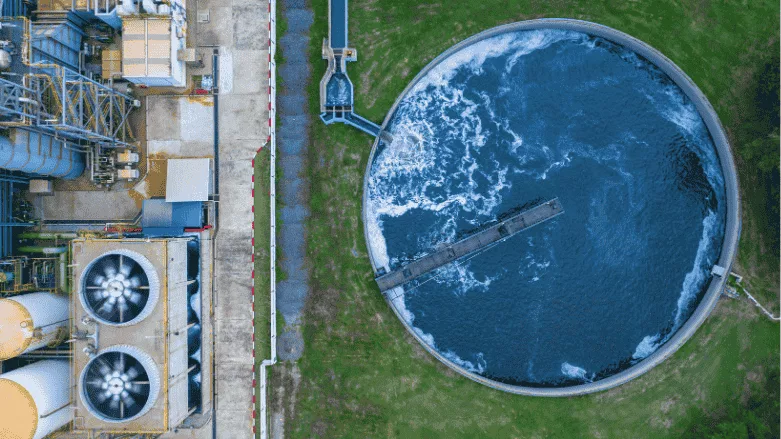
Image via AvigatorPhotographer from Getty Images
After years of lawsuits, policy reversals, and uncertainty, the Environmental Protection Agency is moving to narrow which waters fall under federal protection in the United States. The shift is meant to bring the Clean Water Act in line with a 2023 Supreme Court ruling, but it is reopening a long-running debate over how much federal oversight is necessary to protect water quality and how much is too much.
Supporters of the change say the move is overdue. Farmers, builders, and businesses have long argued that the definition of federally protected waters, known as “Waters of the United States,” has been overly broad and unpredictable. Environmental advocates, however, warn that scaling back protections could leave wetlands and smaller waterways vulnerable, with real consequences for drinking water, flood control, and wildlife.
The changes trace back to a Supreme Court decision involving Michael and Chantell Sackett, an Idaho couple who challenged the federal government after being blocked from building on their property near Priest Lake. The court ruled that the Clean Water Act applies only to relatively permanent bodies of water such as rivers, lakes, and streams, along with wetlands that have a continuous surface connection to them. That ruling significantly limited federal authority and forced EPA to revise its rules.
Under the new approach, EPA says federal jurisdiction will focus on waters with clear, lasting connections, rather than temporary or isolated features. Agency officials argue this creates a more stable legal foundation and reduces confusion for landowners trying to determine whether everyday features on their property fall under federal regulation.
For environmental groups, the concern is what gets left behind. In places like West Virginia’s Greenbrier River watershed, small tributaries, wetlands, underground streams, and seasonal flows all play a role in keeping larger rivers clean. Advocates worry that losing federal protection for these features could undo years of progress, especially in rural areas where state agencies may lack funding or authority to step in.
Wetlands are a particular flashpoint. They act as natural filters, trapping sediment and pollutants before they reach rivers and reservoirs, and they slow floodwaters during heavy rains. Conservation groups point out that more than half of the wetlands that once existed in the lower 48 states have already been lost. From their perspective, narrowing Clean Water Act protections now could accelerate that trend.
State laws complicate the picture further. In West Virginia, for example, environmental protections at the state level cannot be stricter than federal standards. That means if federal rules shrink, state safeguards may shrink with them, regardless of local conditions or needs.
Environmental consultants working on the ground say the new rule may not deliver the clarity regulators are promising. Wetlands, in particular, often do not behave the way the law now expects them to. In Appalachia and similar regions, many wetlands are sustained by groundwater rather than visible surface connections. Under the revised definition, parts of a single wetland could fall under federal jurisdiction while other sections do not, creating split oversight and more complex permitting.
That complexity has practical consequences. Projects that once qualified for faster, nationwide permits may now require additional state-level approvals, which can involve longer reviews and public comment periods. Rather than simplifying the process, consultants say, the rule could create parallel systems that are harder to navigate.
Agricultural groups see the situation differently. Organizations representing farmers and ranchers argue that shifting definitions over the years have left landowners guessing whether ditches, low spots, or rain-filled ponds might suddenly trigger federal permits. That uncertainty, they say, discourages routine land management and places a disproportionate burden on small and family-run operations.
Construction and transportation groups echo those concerns. Contractors often shoulder day-to-day responsibility for Clean Water Act compliance, even when state agencies hold the permits. When jurisdictional determinations change mid-project, delays can ripple through schedules, budgets, and workforces. Industry leaders argue that clearer exclusions for man-made features like roadside ditches and stormwater controls are essential to keeping projects moving, particularly after storms or emergencies.
At the same time, most industry representatives stress that clarity does not mean indifference to water quality. Contractors and farmers alike depend on healthy waterways and say they want rules they can understand and follow consistently.
EPA is now reviewing public comments and plans to finalize the revised rule later this year. Whether the changes ultimately bring stability or spark another round of legal challenges remains to be seen. What is clear is that the Clean Water Act, more than 50 years after its passage, is still shaping — and being reshaped by — the ongoing tension between environmental protection, economic activity, and federal authority.
Looking for a reprint of this article?
From high-res PDFs to custom plaques, order your copy today!

.webp?height=200&t=1751329354&width=200 "Wastewater Plant")