EPA Launches Voluntary Soil Sampling in LA to Confirm Fire Cleanup
The agency expects to complete soil testing and release results by the end of Spring 2026.
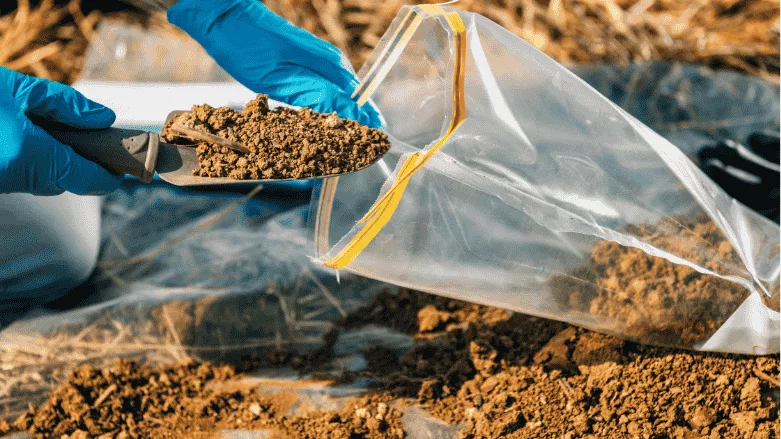
Image via microgen from Getty Images
In the wake of one of the largest wildfire cleanups in U.S. history, the Environmental Protection Agency (EPA) is returning to Los Angeles - not for more cleanup, but to dig a little deeper.
The EPA announced a new voluntary soil sampling initiative for properties affected by the 2025 Eaton Fire. Funded by FEMA, the effort is designed to help homeowners validate the success of previous cleanup operations and generate data that could strengthen future wildfire responses across the country.
This move follows EPA’s intensive post-fire efforts that wrapped up nearly a year ago, when crews completed Phase 1 hazardous material removal in just 28 days — a timeline mandated by an executive order from President Trump. The swift operation made way for the U.S. Army Corps of Engineers to start broader debris removal and became a key piece of what’s now considered one of the fastest federal wildfire recoveries in U.S. history.
Now, the EPA is taking a more technical - and voluntary - approach to ensure the job was done right.
What the Sampling Involves
This new phase isn’t about hauling away debris. It’s about confirming that the previous work truly eliminated fire-related risks from the soil — especially lead, which remains a concern in post-fire environments. The decision to focus on lead came after the LA County Department of Public Health conducted a study in September 2025. That study looked at a range of pollutants, including heavy metals and toxic compounds like PAHs and dioxins, but lead was the only one found consistently in post-cleanup soil.
To assess current conditions, EPA teams will collect soil from a selection of randomly chosen properties. They'll sample at two depths - at the original cleanup level and about six inches below - to track any remaining contamination. Each parcel will be tested using what’s called "incremental sampling methodology," where 30 small samples from across a property are combined into a single composite sample. This provides a more accurate average than testing one or two spots alone.
The data collected will not only help homeowners better understand their property’s condition, but will also contribute to building a stronger, evidence-based approach to wildfire response.
This initiative marks a shift in how the EPA approaches wildfire cleanup - moving beyond emergency response into long-term resilience planning. According to the agency, the goal is to refine cleanup methods, validate success, and share findings with local officials for future preparedness.
Residents who participate will receive individual reports with test results and guidance on next steps, if needed. At the community level, the EPA will share aggregated findings with Los Angeles County and CalEPA to support broader recovery efforts and inform environmental policy.
While this kind of post-cleanup sampling isn't typical protocol, the EPA says it reflects a growing commitment to transparency and continual improvement, especially as climate-related disasters like wildfires become more frequent and intense.
The agency expects to complete soil testing and release results by the end of spring 2026.
For more information or to participate in the voluntary soil sampling program, residents can contact the EPA or check updates through local agencies involved in the response.
Looking for a reprint of this article?
From high-res PDFs to custom plaques, order your copy today!