Offshore Drilling Makes a Comeback as U.S. Shale Growth Slows
Offshore projects come with major upfront investments, longer development timelines, and greater exposure to environmental and political risk.
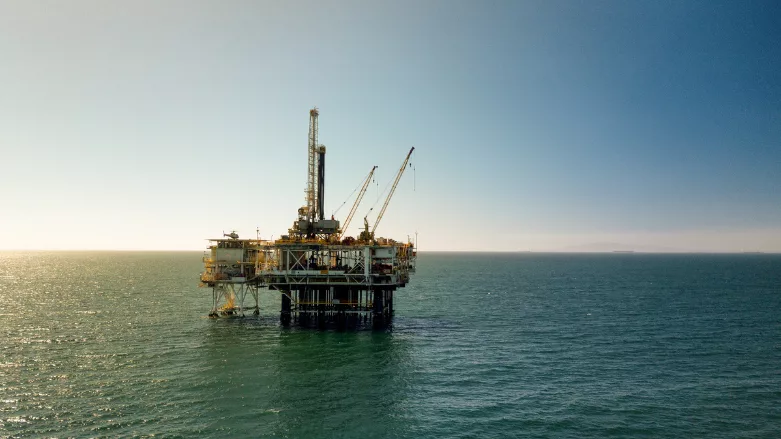
Image via Grandriver from Getty Images Signature
Offshore oil drilling in the United States is experiencing renewed interest, with production in the Gulf of Mexico expected to rise through 2026. This uptick comes as onshore shale fields, the cornerstone of U.S. oil growth over the past decade, face declining productivity and weaker profit margins. While some in the industry see offshore development as a practical solution to meet energy demand, others warn of its long-term financial, environmental, and policy risks.
According to projections by the U.S. Energy Information Administration (EIA), crude oil output in the Gulf of Mexico increased by 100,000 barrels per day (bpd) in 2025, reaching 1.89 million bpd, and grow again in 2026. By contrast, onshore production in the lower 48 states is projected to slow significantly, growing just 190,000 bpd in 2025 and potentially falling in 2026.
The shift in momentum is partly due to the natural maturing of shale basins such as the Permian, where high-output areas are becoming less productive. Many producers now face rising costs to maintain or expand output, especially in less-developed areas. In addition, oil prices have mostly hovered between $55 and $70 per barrel for much of the year, placing added pressure on margins.
In contrast, some offshore projects have become more financially viable, thanks to advancements in high-pressure drilling technology and cost efficiencies. Companies like Chevron and Beacon Offshore Energy are expanding operations in the Gulf, citing lower break-even prices—sometimes as low as $20 per barrel before financing and other costs.
However, offshore projects come with major upfront investments, longer development timelines, and greater exposure to environmental and political risk. While onshore wells can be turned on or off relatively quickly, offshore infrastructure demands long-term commitment.
One of the key enablers of this shift has been new drilling equipment capable of withstanding extreme underwater pressures, up to 20,000 psi. This technology is now being deployed at several major sites, including Beacon’s Shenandoah field and Chevron’s Anchor project, both off the Louisiana coast.
Chevron expects its Gulf of Mexico production to reach 300,000 barrels of oil equivalent per day by 2026, a 50% increase over two years. The company says these barrels offer some of the highest returns in its global portfolio.
BP also signaled long-term investment in the region, approving its Tiber-Guadalupe project, which is expected to begin production by 2030.
Still, some analysts are cautious. Offshore projects are sensitive to oil market volatility, and the lead times involved can make it harder for companies to respond quickly to demand shifts or price downturns.
The policy environment has also played a role in offshore drilling’s resurgence. The Trump administration has moved to lower regulatory hurdles and encourage fossil fuel development through a series of initiatives.
Among them is the “One Big Beautiful Bill” Act, signed in July, which mandates at least 30 offshore oil and gas lease sales in the Gulf over the next 15 years. The government has also proposed reduced royalty rates on deepwater leases in an effort to cut costs and attract bidders.
Supporters argue these policies help ensure energy security, promote job growth, and make U.S. oil more competitive globally. Critics, however, worry about long-term environmental consequences, the risk of oil spills, and the potential for these policies to conflict with global climate goals.
“There’s no denying the Gulf has strategic value,” said one analyst. “But the bigger question is whether doubling down on fossil fuel infrastructure is a forward-looking energy strategy.”
Weighing the Trade-Offs
While the offshore sector is gaining ground, its revival is not without controversy. The industry’s rebound coincides with increasing scrutiny of carbon emissions, aging infrastructure, and climate-related financial risk. Critics argue that expanding offshore drilling could lock in fossil fuel dependency for decades, complicating U.S. commitments to reduce greenhouse gas emissions.
Others note that even if offshore becomes more cost-competitive, the overall demand picture is uncertain. Global efforts to transition toward renewable energy are accelerating, and long-term forecasts suggest oil demand could plateau or decline beyond the 2030s.
Still, for now, offshore drilling appears poised to fill gaps left by slower onshore growth. Whether that proves to be a temporary adjustment or a lasting shift in the U.S. energy mix remains an open question, one shaped not just by technology and markets, but by politics, policy, and public perception.
Looking for a reprint of this article?
From high-res PDFs to custom plaques, order your copy today!