Breaking: JPMorgan’s $10 Billion Bet on National Security and Energy
Could Fuel U.S. Drilling and Mining Revival

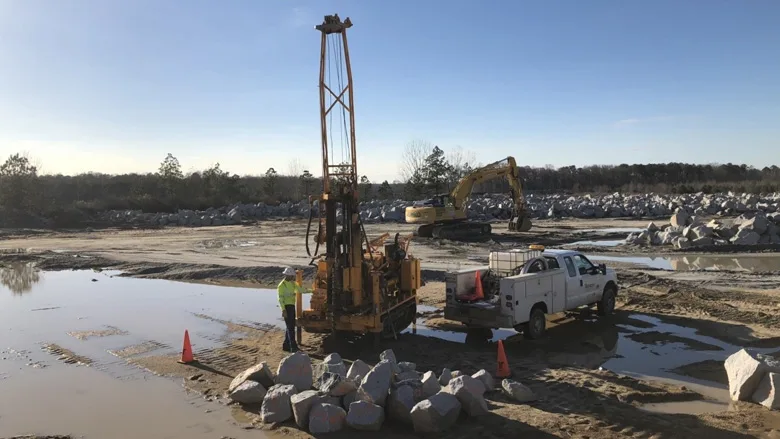
Image via Urfinguss from Getty Images Pro
Wall Street just sent a clear signal: American industry, especially sectors tied to national security and energy resilience, is back in focus.
On Monday, JPMorgan Chase—the largest U.S. bank by assets—announced a decade-long plan to invest $10 billion directly into companies critical to U.S. interests, including defense, aerospace, advanced manufacturing, and notably, energy technologies and supply chain infrastructure.
This move is part of the bank’s new Security and Resiliency Initiative, which will finance or facilitate up to $1.5 trillion over the next ten years—50% more than a prior commitment.
For the drilling and mining industry, the announcement comes at a pivotal time. As global demand for critical minerals rises, and geopolitical tensions deepen, institutional capital is turning its focus to the very materials that underpin clean energy, digital infrastructure, and national defense.
What It Means for Domestic Mining and Drilling
JPMorgan’s initiative puts renewed attention on critical minerals like lithium, cobalt, rare earths, uranium, and antimony—resources essential to EVs, batteries, grid storage, solar panels, and military hardware.
With U.S. mineral production lagging behind global demand, exploration companies and drilling contractors stand to benefit from a more coordinated push for domestic resource development. The move could bring capital to projects often hampered by long permitting processes and uncertain policy environments.
This follows a series of announcements from mining firms advancing U.S. and Canadian uranium projects, as well as domestic efforts to develop antimony resources amid rising prices and shrinking Chinese exports.
JPMorgan’s call to reduce regulatory friction and invest in strategic industries highlights growing frustration over what many in the energy and mining sectors see as policy bottlenecks.
If major financial institutions begin backing regulatory reform alongside capital deployment, it may accelerate stalled or delayed projects—particularly those aligned with clean energy, defense, and domestic supply chain resilience.
While JPMorgan has long financed companies in these sectors, this initiative organizes those efforts around national priorities, positioning mining and drilling operations as part of a larger national security and energy strategy.
Despite the enthusiasm from industry leaders, the initiative raises important questions about environmental oversight and land use.
Fast-tracking exploration and extraction projects in the name of security could pose risks to ecosystems and communities. Environmental groups and Indigenous advocates have long raised concerns about the impact of mining on protected lands, water sources, and cultural heritage.
There’s also the question of whether expanding raw material extraction is the best long-term strategy—versus scaling up mineral recycling, cleaner technologies, and reduced material intensity in design and manufacturing.
While the funding could unlock growth across North American mining and drilling, it may also deepen debates about what a truly sustainable and secure resource strategy looks like.
JPMorgan’s investment plan reflects a broader shift: major capital markets are no longer on the sidelines when it comes to resource security. With $10 billion earmarked for direct investment and $1.5 trillion in financing, the bank’s initiative puts real weight behind the industries that shape how America builds, powers, and defends itself.
For drillers and miners, the message is clear: there’s momentum—and money—behind domestic resource development. But the spotlight brings new responsibilities, too.
Looking for a reprint of this article?
From high-res PDFs to custom plaques, order your copy today!