Lowe’s to Pay $12.5 Million for Violations of Federal Lead Paint Safety Rules
Settlement includes nationwide compliance program to protect families from lead exposure during renovations

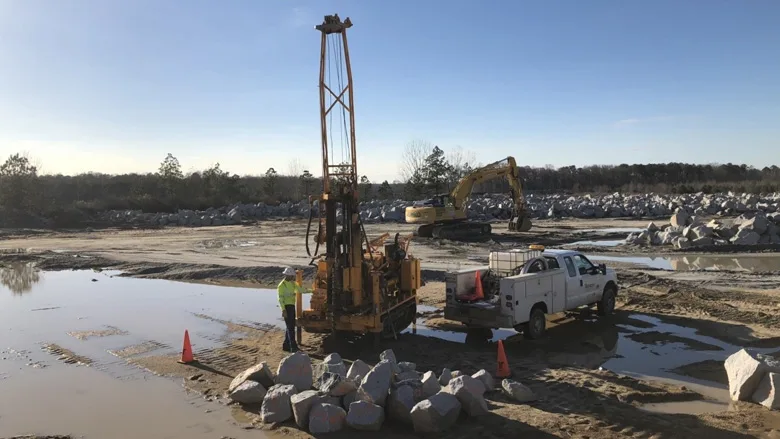
Image via Ivan S from Pexels
Lowe’s Home Centers, LLC, a subsidiary of Lowe’s Companies, Inc., has agreed to pay a $12.5 million civil penalty and implement a nationwide compliance program to resolve alleged violations of federal lead safety regulations during home renovations. The U.S. Environmental Protection Agency (EPA) and the Department of Justice (DOJ) announced the proposed settlement on November 25.
The agreement addresses failures by Lowe’s to follow the Lead Renovation, Repair and Painting (RRP) Rule, which is designed to prevent the spread of toxic lead dust and paint chips in older homes. The violations occurred during renovation work performed by contractors hired by Lowe’s between 2019 and 2021, with hundreds of homes affected across the United States.
The EPA said the company did not fully comply with the terms of a 2014 consent decree, which required Lowe’s to ensure that contractors used lead-safe practices in homes built before 1978, when lead-based paint was banned for residential use.
Lead Exposure: An Ongoing Risk
Lead paint remains present in many older homes and can pose serious health risks, especially when disturbed during renovations. Lead dust created during home repairs can settle on surfaces and be inhaled or ingested, putting children at particular risk due to their developing nervous systems.
Health experts say lead exposure in children can lead to developmental delays, behavioral problems, and damage to the brain and nervous system. While blood lead levels have declined nationally in recent decades, lead exposure remains a significant concern in aging housing stock, particularly in low-income communities.
“Noncompliance with EPA regulations aimed at reducing or preventing health risks from lead paint exposure during renovations, repairs, and painting can endanger families, especially young children and infants,” said Craig Pritzlaff, Acting Assistant Administrator for EPA’s Office of Enforcement and Compliance Assurance.
“Contractors hired for work that may disturb paint in homes built prior to 1978 must be certified,” added Adam Gustafson, Principal Deputy Assistant Attorney General for the DOJ’s Environment and Natural Resources Division. “These contractors have the training to recognize and prevent the hazards that can be created when lead paint is disturbed.”
The EPA’s investigation uncovered a range of alleged violations, including inadequate oversight of third-party contractors performing renovation work. Some issues came to light through self-reported compliance updates from Lowe’s, as required by the 2014 settlement. Others were discovered in response to a tip from a member of the public regarding renovation work in Southern and Central California.
The settlement filed this week requires Lowe’s to improve its internal oversight and ensure that the firms it hires to perform renovation work in older homes are certified and follow proper lead-safe work practices. This includes updated training, documentation, and quality control systems.
The new consent decree has been lodged in U.S. District Court for the Central District of California and is subject to a 30-day public comment period before it can receive final approval from the court.
Broader Implications for the Industry
The case underscores the importance of regulatory compliance in the home improvement and renovation sector, particularly when working with aging infrastructure. The RRP Rule, enforced by the EPA, applies to contractors and companies working on homes, child care facilities, and schools built before 1978. It requires them to be trained and certified in lead-safe practices to prevent lead contamination during work.
Companies that fail to follow these rules can face substantial penalties and reputational damage. In Lowe’s case, the $12.5 million fine is one of the largest ever issued for RRP violations, and it sends a clear signal about the EPA’s intent to enforce the rule more aggressively.
The agency is urging homeowners to ask whether contractors are RRP-certified before allowing any renovations that could disturb painted surfaces in older homes. Parents who believe their child may have been exposed to lead should consult with a health care provider and request a blood lead test, the only way to confirm elevated lead levels.
More information about the consent decree and how to submit public comments is available on the Department of Justice’s Proposed Consent Decrees webpage.
Looking for a reprint of this article?
From high-res PDFs to custom plaques, order your copy today!