EPA Claims 300 Reported Environmental Actions
The Announcement Draws Praise, Questions, and Skepticism

Image via marco302 from Getty Images
The U.S. Environmental Protection Agency has released a new list of 100 actions completed in the last 100 days, bringing the agency’s public tally to 300 accomplishments since President Donald Trump took office in January. The update, announced Monday in Dallas by Administrator Lee Zeldin, highlights a blend of emergency response work, enforcement activity, and regulatory changes—but also raises questions from outside groups about how these actions align with long-term environmental protections.
EPA officials say the rapid pace reflects a focused effort to meet statutory obligations while responding to crises across the country. Critics counter that the administration’s emphasis on permitting reforms and a narrower regulatory approach may shift burdens to states, weaken oversight, or accelerate industrial projects without fully accounting for environmental impacts.
Region 6: Major Response Operations and High-Profile Permits
EPA’s Region 6—covering Texas, Louisiana, Arkansas, Oklahoma, and New Mexico—was at the center of several large actions, including:
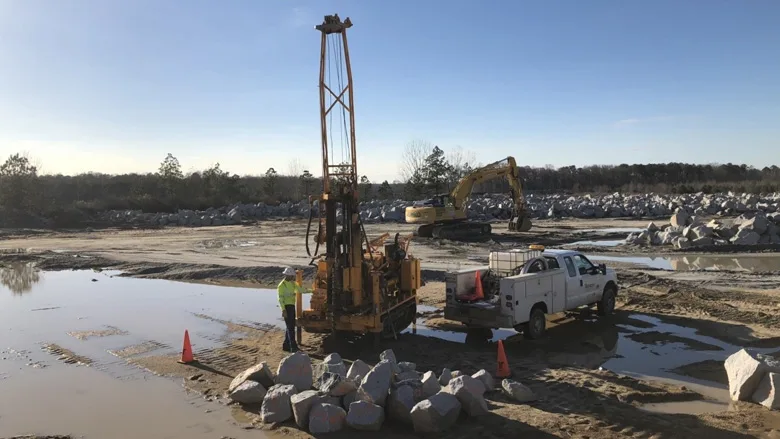
- Smitty’s Supply Fire Cleanup: EPA oversaw the removal of more than 11 million gallons of waste from waterways impacted by a fire in Roseland, Louisiana.
- Key Energy Permits: The agency issued permits for ExxonMobil’s Class VI carbon storage wells and a Clean Air Act permit for the Texas GulfLink deepwater port project. Supporters see these decisions as essential for energy development, while environmental groups warn of potential long-term risks tied to increased industrial activity.
- Los Alamos Oversight: EPA monitored the depressurization of tritium waste containers at Los Alamos National Laboratory, with no deviations in air monitoring detected.
Region 6 Administrator Scott Mason said the team has shown it can “fulfill our mission to protect human health and the environment while not getting in the way of economic development.” Some community and environmental organizations in the region, however, argue that permitting decisions are moving faster than public engagement processes can keep up.
Nationwide Actions: Regulatory Changes and Cleanup Work
The EPA’s list covers a wide range of actions—some routine, some controversial. Among them:
- A proposed rule redefining “waters of the United States” (WOTUS), which the agency calls “clear” and “commonsense,” but which opponents say could scale back federal water protections.
- Continued work on the Tijuana–San Diego sewage infrastructure, with the agency reporting accelerated project timelines following the U.S.–Mexico agreement signed in July.
- Enforcement actions targeting illegal pesticides and chemical imports at the border.
- Cleanup and emergency responses in wildfire zones, industrial sites, and PFAS-affected communities.
The EPA also highlighted progress on pesticide backlogs, Brownfields redevelopment, and Superfund enforcement, including cases that collectively address tens of millions of pounds of air, water, and chemical pollution.
Administrator Zeldin framed the update as evidence of an agency moving quickly.
“300 days, 300 major environmental wins—this is the energy that propels us forward,” he said.
Supporters of the administration say the EPA is demonstrating that environmental protection can coexist with accelerated permitting and energy development. Environmental groups counter that some of the gains- - particularly around enforcement and cleanup—reflect long-term, ongoing work rather than new initiatives, and that other actions, such as regulatory rollbacks, could have lasting implications for air and water quality.
Rather than listing every individual action, the EPA pointed to broader areas of progress:
- Emergency response: Major deployments after fires, industrial accidents, hurricanes, and chemical releases.
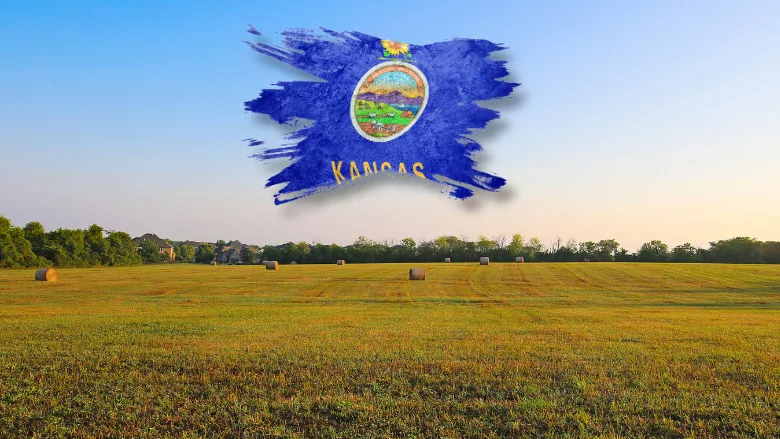
- Superfund and cleanup: Advancements at sites in Michigan, Idaho, Massachusetts, Kansas, New Jersey, and elsewhere.
- Permitting and regulatory work: State plan approvals, air-quality revisions, infrastructure permits, and streamlined review processes.
- Enforcement: Nearly 1,800 enforcement cases concluded and strengthened oversight of illegal pesticides and chemicals.
- Drinking-water protections: Orders, treatments, and infrastructure assistance in states from New York to Arizona.
Many of these actions are typical of EPA’s role regardless of administration; others reflect policy priorities unique to the Trump EPA—particularly around permitting, energy projects, and state-led regulatory approaches.
The EPA says the accomplishments reflect its mission to protect human health and the environment while advancing “commonsense” policies. Environmental advocates say the pace and focus deserve closer scrutiny, especially as major decisions around water rules, air standards, waste management, and industrial permitting continue to unfold.
As the agency nears the end of its first year under Administrator Zeldin, the divide underscores a broader debate: whether the EPA is recalibrating environmental protection to be more efficient and economically flexible, or reshaping key environmental safeguards in ways that may be felt long after these 300 days.
Looking for a reprint of this article?
From high-res PDFs to custom plaques, order your copy today!