
EPA Responds to Claims Over “Forever Chemical” Pesticides with Clarification and Context
Agency says approved compounds are not PFAS, while critics call for clearer oversight amid rising public concern
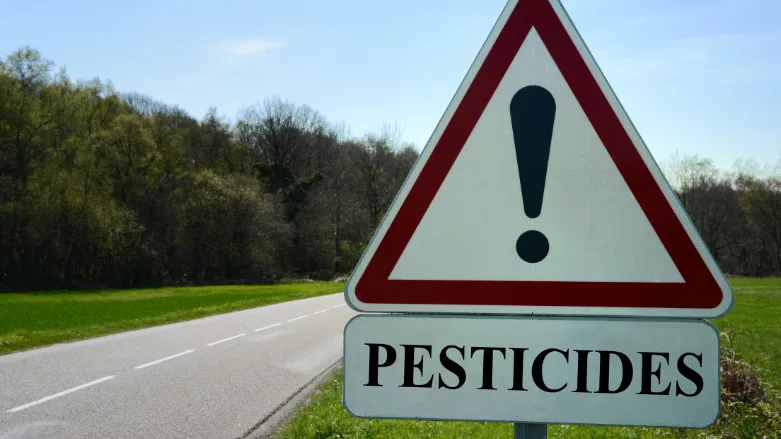
Image via Richard Villalonundefined from Getty Images
The U.S. Environmental Protection Agency (EPA) has responded to a wave of online claims suggesting the agency recently approved pesticides containing “forever chemicals,” a term commonly used to describe a group of persistent and potentially toxic substances known as PFAS (per- and polyfluoroalkyl substances).
In a public statement and accompanying fact sheet released on November 26, the EPA said the approved pesticides in question do not contain PFAS and do not meet the scientific definition of "forever chemicals" under the agency’s official classification. The clarification comes amid growing concern over the presence of synthetic chemicals in food and the environment, as well as intensifying political rhetoric surrounding the agency’s regulatory decisions.
What Sparked the Debate
The controversy stems from claims that the EPA under the current administration approved pesticides containing fluorinated compounds, implying they fall into the PFAS category and pose long-term health risks.
In response, EPA officials from the Office of Chemical Safety and Pollution Prevention stated that the approved compounds contain only a single fluorinated carbon, and therefore do not meet the agency’s 2023 definition of PFAS. That definition, finalized under the Biden administration, requires two or more fluorinated carbon atoms for a substance to be considered a PFAS.
The EPA emphasized that compounds with only one fluorinated carbon do not exhibit the same persistence or bioaccumulation characteristics typically associated with PFAS. The agency said these compounds have been extensively studied, and that no human health risks were identified when the pesticides are used as directed.
The EPA’s defense centers on the technical definition of PFAS, which was clarified through a public rulemaking process. However, some environmental advocates and public health experts argue that the term “forever chemicals” is evolving in public discourse, and that regulators should consider the broader context of fluorinated substances and their long-term environmental impact.
Critics say the focus on chemical structure may obscure the practical effects of persistent chemicals in the environment, and they continue to call for greater transparency and independent review in pesticide approvals.
At the same time, the agency pointed to international regulatory consistency, noting that similar compounds have been approved in Canada, the European Union, Australia, and other countries with strict environmental regulations.
A History of Fluorinated Compounds in Agriculture
The EPA noted that fluorinated pesticides have been registered for decades, under both Democratic and Republican administrations. These include recent approvals under the Biden administration, such as fluazaindolizine, which also contains a single fluorinated carbon.
According to the agency, such compounds are part of a broader shift in modern agriculture away from older, more hazardous chemicals like organochlorines, which were known for their long-term environmental persistence and toxicity.
EPA officials emphasized that the approved pesticides underwent a full toxicological review, including evaluations of potential effects on children, reproductive health, chronic exposure, and environmental fate. The agency maintains that when these products are used according to label instructions, they pose no significant health risk.
The EPA also acknowledged that consumer concerns around synthetic chemicals in food production are valid and important. While reaffirming the safety of approved pesticides, the agency pointed out that organic options remain available, though it added that:
- Organic farming also uses pesticides
- Some organic-approved substances may have higher toxicity profiles than newer synthetic alternatives
- Organic does not equate to pesticide-free farming
This point has drawn criticism from some organic advocates, who argue that the comparison is misleading and detracts from efforts to minimize chemical use in agriculture.
In its response, the EPA highlighted the role of pesticides in protecting crop yields, reducing food waste, and maintaining an affordable food supply. The agency argued that pesticides help reduce the need for land expansion, limit soil degradation, and prevent crop losses that could drive up food prices.
Still, opponents of the recent approvals argue that food security should not come at the cost of potential long-term environmental harm. They call for a more precautionary approach and say the growing body of research on synthetic chemicals should lead to tighter controls.
While the EPA’s fact sheet aims to counter what it sees as misinformation, the broader conversation reflects ongoing tension between scientific regulation and public perception. Mistrust in institutions, particularly around chemical safety and environmental health, remains high.
The agency is encouraging the public and media to review the scientific basis for its decisions and to rely on evidence-based information when discussing chemical safety.
More information about the EPA’s review process and the specific pesticides in question is available through the agency’s chemical safety webpages.
Looking for a reprint of this article?
From high-res PDFs to custom plaques, order your copy today!