Utah Copper Mine Expansion Gets the Greenlight After Aquifer Exemption Approval
Environmental groups are skeptical of the exemption process
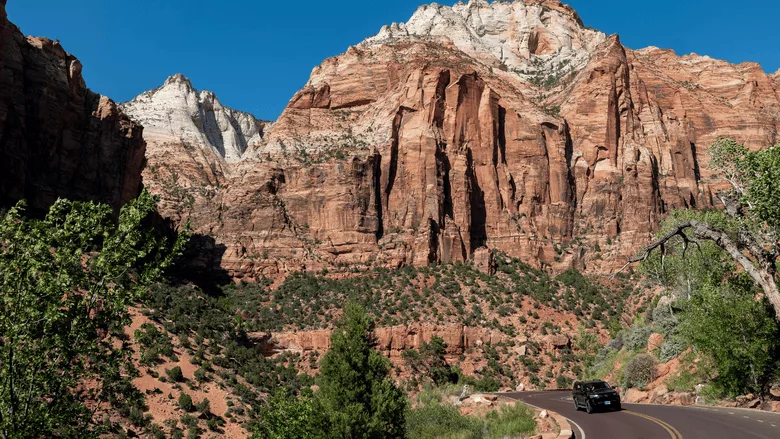
Image via Mark Direen from Pexels
The U.S. Environmental Protection Agency (EPA) has approved an aquifer exemption that clears the way for expanded copper mining in southeastern Utah, a move that supporters say strengthens domestic mineral production but that environmental advocates view as a potential threat to groundwater.
The decision, announced by EPA’s Region 8 office in Denver, allows the Utah Department of Environmental Quality (UDEQ) to exempt part of the Burro Canyon aquifer in San Juan County from certain federal drinking water protections. The approval enables the Lisbon Valley Mining Company to expand operations at its existing copper mine to include underground recovery methods—technology that extracts copper by injecting fluids into ore-bearing rock.
EPA and UDEQ determined that the affected portion of the aquifer “does not and will not serve as a source of drinking water,” making it eligible for exemption under the Safe Drinking Water Act. The agency emphasized that the decision follows a technical and regulatory review designed to ensure environmental safeguards remain in place.
EPA Regional Administrator Cyrus Western said the approval supports both resource development and environmental responsibility, calling it “an important step toward strengthening America’s energy and mineral independence.”
The action also aligns with a recent decision by the Bureau of Land Management (BLM), which on October 16 approved the mine’s expansion plan under the Fixing America’s Surface Transportation (FAST-41) Act, a framework intended to streamline federal permitting for major infrastructure and energy projects. The expanded Lisbon Valley operation could produce more than 500 million pounds of copper, according to BLM estimates.
Officials with the Utah Department of Environmental Quality defended the decision as a balanced approach that supports economic growth while protecting public resources. UDEQ Executive Director Tim Davis said the agency’s review “ensures that we can responsibly support economic development and growth across the state while upholding our mission to preserve Utah’s land and water resources.”
However, the exemption process has drawn criticism from some environmental and tribal organizations in the region. They argue that aquifer exemptions can set a concerning precedent, allowing industrial activity in formations that are still technically classified as underground sources of drinking water (USDWs). Groups such as the Utah Chapter of the Sierra Club and Living Rivers have previously raised concerns that long-term impacts to groundwater quality from injection-based mining may not be fully understood.
Under the Underground Injection Control (UIC) program, injecting fluids into aquifers is prohibited unless EPA grants an exemption showing the aquifer contains minerals that can be economically produced and is not a viable future drinking water source. UDEQ issued the Class III injection well permit for Lisbon Valley earlier this year, and EPA’s approval finalizes the exemption necessary for extraction to move forward.
Supporters point to the growing demand for copper as a key material for electric vehicles, renewable energy systems, and power grid upgrades, while critics warn that rapid permitting under FAST-41 can overlook local and ecological concerns.
With the federal approval now in place, Lisbon Valley Mining Company can begin preparing for underground recovery operations later this year, marking another chapter in the ongoing national debate over how to balance domestic mineral production, water protection, and environmental stewardship in the era of the clean energy transition.
What Critics Say
Environmental and community groups, however, are skeptical of the exemption process. They argue that even if a section of an aquifer is not currently used for drinking water, conditions can change over time, and contamination could migrate into other connected groundwater sources. Critics also say the FAST-41 permitting process prioritizes speed over scrutiny, potentially sidelining local and tribal input.
Groups such as Living Rivers, Utah Physicians for a Healthy Environment, and the Utah Chapter of the Sierra Club have voiced concerns about long-term groundwater impacts and the precedent of allowing industrial injection into aquifers still considered underground sources of drinking water (USDWs). They point out that San Juan County has a long history of water scarcity, and any contamination could have lasting effects on rural and tribal communities that depend on wells.
While EPA and state officials maintain that safeguards are in place, opponents argue that once aquifers are exempted, the protections under the Safe Drinking Water Act cannot easily be reinstated, leaving limited recourse if problems arise.
As the Lisbon Valley expansion moves ahead, the debate highlights the broader tension between domestic mineral production and groundwater protection—a conflict likely to surface again as the U.S. ramps up mining to meet clean energy and manufacturing goals.
Looking for a reprint of this article?
From high-res PDFs to custom plaques, order your copy today!