Armenia’s Mining Forum Offers Key Lessons for U.S. Miners
Why Looking Abroad Matters...
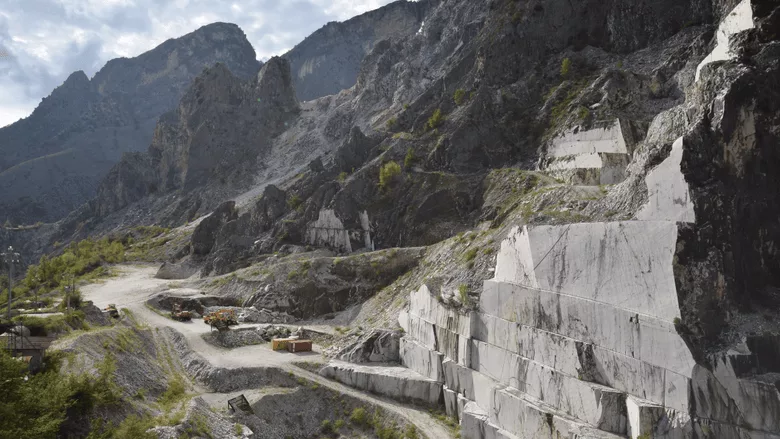
Image via manri1965 from pixabay
While the U.S. mining industry often looks inward when discussing innovation, regulation, and sustainability, the 2025 Mining Armenia Forum (MAF) served as a compelling reminder that some of the most important lessons and competitive insights are happening far beyond American borders.
Held over two days in Yerevan, the second annual MAF convened more than 250 attendees from across the globe, including experts from Canada, Kazakhstan, the Netherlands, and the United States. The event, titled “The Energy of Mining: International Trends and Armenia’s Potential,” wasn't just a local affair. It was a reflection of where the mining world is heading and why U.S. miners should be paying attention.
Why International Context Matters
With a focus on sustainability, investor stability, and the global demand for critical minerals, MAF made one thing clear: understanding international trends is no longer optional. It's strategic.
“Copper is becoming more important than oil,” said Vardan Jhanyan, president of the Association of Mining and Metallurgical Companies of Armenia. That’s not just rhetoric. Armenia projects that by 2030, exports from copper, molybdenum, and gold alone could exceed $3 billion annually. It’s a reminder that while U.S. policymakers and companies debate permitting reform or ESG standards, other nations are actively positioning themselves for the future of energy and infrastructure.
For American miners, this is crucial context. As clean energy technologies like EVs and wind turbines surge in demand, so does the global race for the minerals that power them. Watching how nations like Armenia respond, both economically and environmentally, gives U.S. players a wider lens through which to assess their own strategy.
Wael Jaber of Wood Mackenzie drove home a point often echoed in U.S. mining circles. Investors want stability. But he added an international twist — they compare jurisdictions globally, not just regionally. That means countries with predictable policies, transparent licensing, and sensible taxation are pulling ahead. The U.S. can’t rely on its historical dominance alone.
Meanwhile, Kirsten Hund, a senior mining sustainability expert, emphasized the sector’s evolving mission. “Sustainability is becoming an integrated strategy that connects nature, climate, and people.” It’s no longer enough to tick ESG boxes. Mining must be resilient, community-centered, and climate-aware. These values are becoming global expectations.
Despite its size, Armenia is emerging as a thought leader in modern mining. From releasing corporate sustainability reports to creating the Jon Hobbs Award for biodiversity conservation in mining, Armenian companies are embedding transparency and environmental responsibility into their operations.
That’s more than PR. It’s strategic positioning ahead of next year’s COP17 World Summit on Biodiversity, which Armenia will host. The country is aligning itself with global expectations around mining and conservation. U.S. firms, facing increasing regulatory pressure and public scrutiny, should take note.
For American miners, the 2025 Mining Armenia Forum is more than a recap of a faraway conference. It’s a mirror. One that reflects both the opportunities and shortcomings in the U.S. approach to mining policy, sustainability, and international cooperation.
The global mining landscape is shifting fast. Watching how others like Armenia are responding to the same pressures we face at home could be the key to staying competitive, credible, and sustainable in the years to come.
Looking for a reprint of this article?
From high-res PDFs to custom plaques, order your copy today!