New Report to Spotlight U.S. Mineral Supply Chain Weaknesses
Plus, the Debate Over Domestic Mining
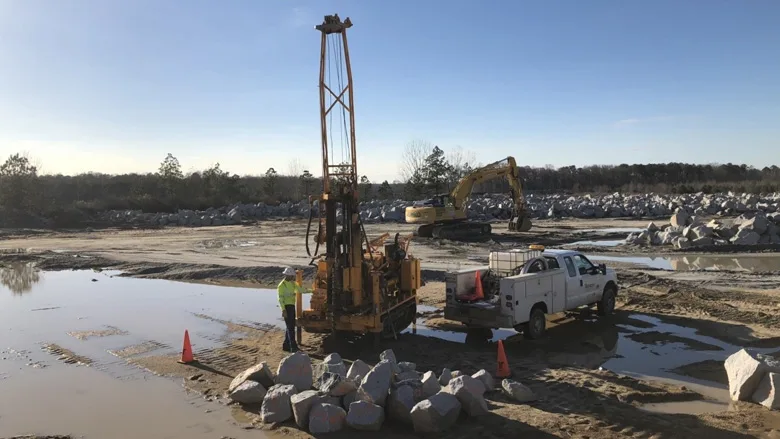
Image via Eli Pluma from Pexels
A new report set to be released by Make America Mineral Independent Again (MAMIA) aims to expose how U.S. mineral supply chains became increasingly reliant on foreign sources — and how, according to the organization, past decisions by key U.S. officials contributed to that vulnerability.
The group claims that policies encouraging international cooperation over domestic production left America dependent on critical materials sourced from countries like China and the Democratic Republic of Congo (DRC). These minerals — including cobalt, lithium, rare earth elements, and graphite — are essential to the production of fighter jets, batteries, electric vehicles, and solar panels.
According to MAMIA, the report will trace how government policies, combined with bureaucratic hurdles and environmental restrictions, sidelined U.S. mining projects in favor of overseas deals. Lauren Rose, MAMIA's founder and VP of operations, said, “These were choices — choices that prioritized overseas ventures designed to drown American projects in delays and red tape.”
The Bigger Picture: A Complex Global Supply Chain
While MAMIA raises concerns about national security and economic independence, experts caution against viewing mineral globalization in strictly adversarial terms.
- Environmental risks and permitting delays have made domestic mining expensive and time-consuming.
- Processing infrastructure for minerals like rare earths is concentrated in Asia, where it’s cheaper and more developed.
- International partnerships have helped diversify sourcing and reduce overreliance on any single country.
For example, while China dominates rare earth processing (refining over 80% of global output), the U.S. has partnered with allies like Australia and Canada to secure alternative supplies. At the same time, human rights concerns in nations like the DRC — where much of the world’s cobalt is mined — complicate efforts to balance supply with ethical sourcing.
Industry Perspectives:
Environmental groups and policy analysts often warn that accelerating U.S. mining could come at the cost of ecological degradation and Indigenous land rights. They argue that the real path to resilience includes:
- Recycling and recovering minerals from electronic waste.
- Investing in alternatives to critical minerals.
- Developing more efficient technologies that reduce mineral intensity.
Still, MAMIA’s report is likely to intensify calls for U.S. policymakers to fast-track permitting reforms and invest in domestic mining and processing infrastructure.
As the global demand for critical minerals continues to rise, the U.S. faces a pivotal question: Should it double down on self-sufficiency at home, or embrace a more distributed — and sometimes politically fraught — global supply chain?
Looking for a reprint of this article?
From high-res PDFs to custom plaques, order your copy today!