Fair Wages in Drilling: Balancing Profit, Safety, and Skilled Trade Retention in Construction
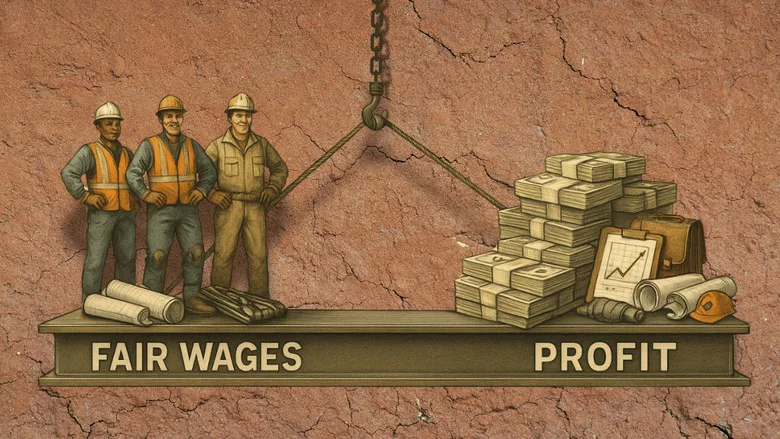
What do fair wages look like in an industry like drilling?
One of a manager’s biggest responsibilities is ensuring company profitability, but how does that translate in practice, and where is the money actually being made?
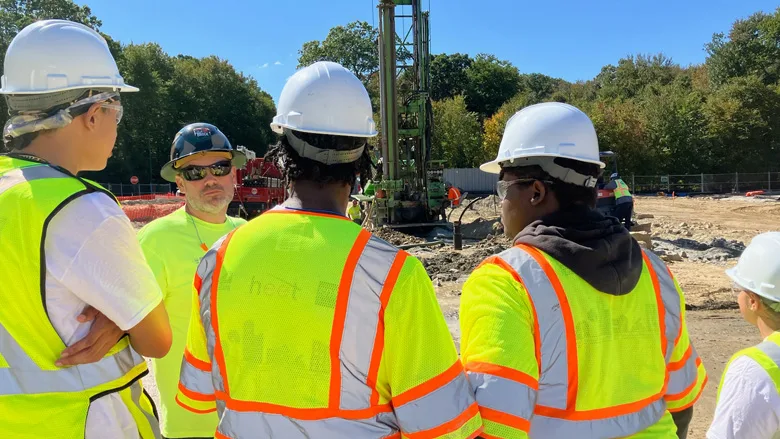
Out in the field. Our team members out completing the work need to be trained, prepared, and, most importantly, happy in their position. Drilling is a difficult trade that can put you into some of the most difficult and stressful situations we can somehow laugh off at the end of the day. So how do we set fair wages but also ensure the company makes the money to expand and grow? It’s like the chicken and the egg — what came first? Do you set your wages and then your rates to ensure you cover all aspects, or are you setting prices and then wages? Sadly, it seems some companies choose wages after company prices, which can prevent hiring excellent candidates, retention of experienced staff, and training opportunities.
Some of the highest-paid drillers are only paid a certain wage when they are working on “U” word (union)-based projects. How are large infrastructure projects priced to ensure all other trades are paid a fair wage? Our little industry can sometimes be overlooked and underpaid.
However, in Ontario, some projects don’t have any set rules or practices for hiring drilling subtrades, so clients find the cheapest bid possible for certain jobs, which can sometimes lead to inconsistencies, incorrect data, and potentially large safety risks if the drillers are not prepared or educated for certain types of projects.
So how can our industry change this? How can we ensure staff are being compensated to the best of the company’s ability while companies still make a profit? What options can this industry offer to ensure the needs of its clients and staff are met?
- One way is to discuss with your clients why prices are being increased every year. Everything else is always increasing, so why isn’t our industry? This will ensure the growth of the company and staff, which will overall improve productivity and offer more than just a “cheap rate” to clients.
- Another way is to review overall costs/breakdowns with staff so they have something to work towards. If equipment breakdowns are a constant issue, the staff need to understand that this prevents them from making more money and potentially ruins relationships with clients, as they have deadlines.
- Honesty with everyone is important. If staff are not honest with their billing onsite, this can create extra or lost costs for the employer, reducing overall profit. This also includes communication with clients during projects, which can alter the project. If something changes while on the project that could affect the budget, this should be explained to ensure costs and standards are being met for both sides.
I believe we’re part of one of the most fascinating trades in the world. Drillers care about soils, water, environmental concerns, and geotechnical aspects, too. They're true jacks and jills of all trades. Plus, some of the best employees I’ve had have no secondary education, but that doesn’t mean they shouldn’t have the opportunity to continue their education in their career to elevate themselves. Continued education and improvement for employees will also ensure your company grows the correct way and ensures profit. You can’t have profit without your employees, and your employees don’t exist without profit. It’s a balancing act that should always be evaluated to ensure companies thrive forward.
Looking for a reprint of this article?
From high-res PDFs to custom plaques, order your copy today!

Rachel Bourne is a drilling professional and industry advocate with extensive experience in geotechnical and environmental drilling. A graduate of Fleming College, she is passionate about workforce development, mentorship, and advancing opportunities within the skilled trades. Bourne is recognized for her leadership, commitment to education, and dedication to strengthening the drilling industry.