Purdue Researchers Propose Solutions to Prevent Blackouts
Plus, They Offer Solutions to Lower Energy Bills Amid Home Electrification Push
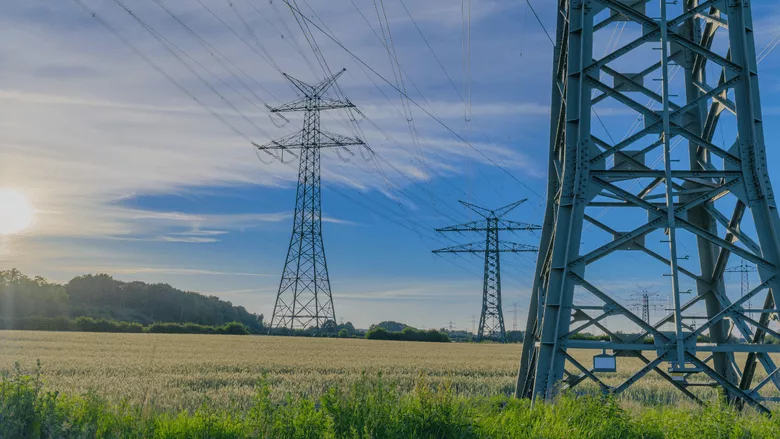
Image via Frederick Doerschem from Getty Images
As more homeowners and drivers transition to electric appliances and vehicles to reduce pollution and long-term costs, a new study from Purdue University warns that the added demand on the power grid could increase the risk of blackouts and drive up electricity prices.
The concern stems from the significant infrastructure upgrades — including new power lines and transformers — that utilities may need to meet the growing electricity demand. These investments are expensive, and their costs are typically passed on to consumers, potentially making electricity less affordable and weakening the economic case for continued electrification.
Heating is one of the biggest contributors to increased electricity use, especially in colder regions like the Midwest. The study suggests that homeowners can reduce energy demand by choosing more efficient heating systems. Geothermal heat pumps, for example, draw heat from the ground, where temperatures are more stable, and can operate more efficiently than traditional air-source heat pumps.
To support this transition, Indiana offers a home energy rebate program that provides financial assistance to residents making energy-efficient upgrades. In addition to improving individual homes, building more multi-family housing — such as apartments and townhouses — can also reduce the total energy required for heating.
The study emphasizes that coordinating when appliances run can help balance energy demand. Shifting high-energy tasks like doing laundry or charging electric vehicles to off-peak hours can ease pressure on the grid. Utilities can also install software to better manage electricity use and offer incentives to customers who participate in these demand-response programs.
However, there are structural challenges. Many utilities generate revenue not just by selling electricity, but by building new infrastructure — a model that can discourage investments in energy efficiency. This makes public involvement in energy regulation especially important.
In Indiana, the public can engage with utility oversight through the Indiana Utility Regulatory Commission (IURC), which currently has three open seats. The governor appoints commissioners, and the selection process is open to public scrutiny through interviews and committee meetings.
By combining policy changes, smarter technology, and more efficient infrastructure, states like Indiana can support the shift to electrification while keeping energy costs down and avoiding strain on the power grid.
Looking for a reprint of this article?
From high-res PDFs to custom plaques, order your copy today!