Geothermal News
Senate Passes BAAJA Permitting Reform Bill: What It Means for Geothermal Drilling and Groundwater Protection
Heading to the House after a 62–33 Senate vote, S. 5653 fast-tracks geothermal, gas, critical mineral, and SMR boreholes on federal land — while cutting NEPA and Clean Water Act guardrails.
Key Takeaways
- The Senate-passed BAAJA would accelerate permitting for geothermal, mining, natural gas and nuclear projects, expanding opportunities for drilling contractors.
- Streamlined environmental reviews could increase drilling activity while raising concerns about groundwater contamination and weakened aquifer protections.
- As the bill heads to the House, drillers must prioritize well integrity, groundwater protection and responsible construction practices.
With the U.S. Senate voting 62–33 on November 19 to pass the Bipartisan American Affordability and Jobs Act of 2026 (BAAJA, S. 5653) and send it to the House of Representatives, the drilling industry faces a pivotal federal policy shift. Designed to break permitting blockades across U.S. energy and mineral sectors, the bill fast-tracks deep geothermal projects, critical minerals, legacy fossil fuels, and large-diameter boreholes for small modular reactors (SMRs), while rewriting environmental and water-protection rules governing how boreholes are planned, permitted, and defended.
For drillers, engineers, and developers in geothermal, energy, mining, water well, and geotechnical drilling, BAAJA is a double-edged bit: it promises unprecedented rig utilization across multiple markets, but minimizes procedural safeguards protecting aquifers and watersheds.
Closing the Geothermal Permitting Gap
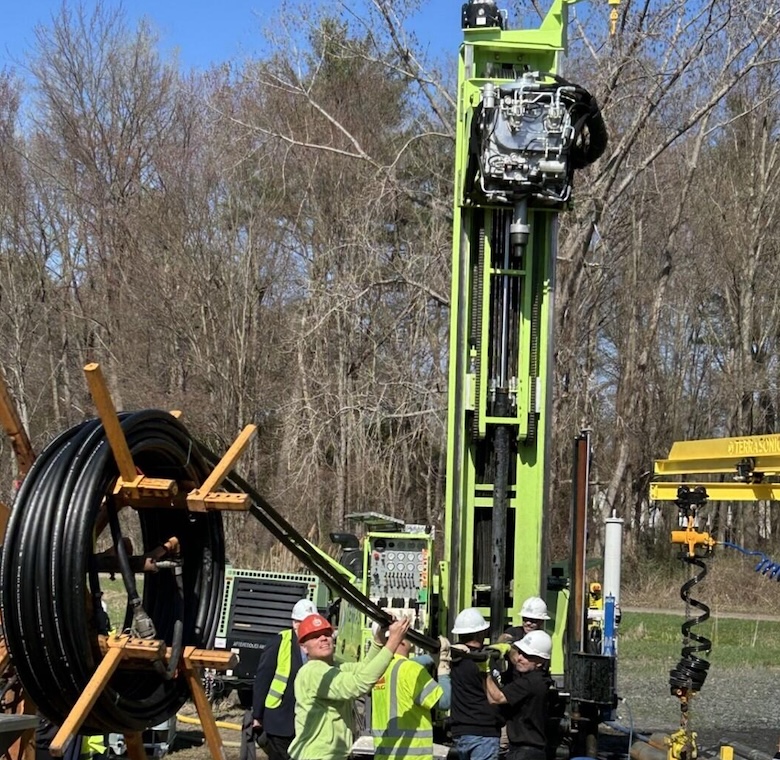
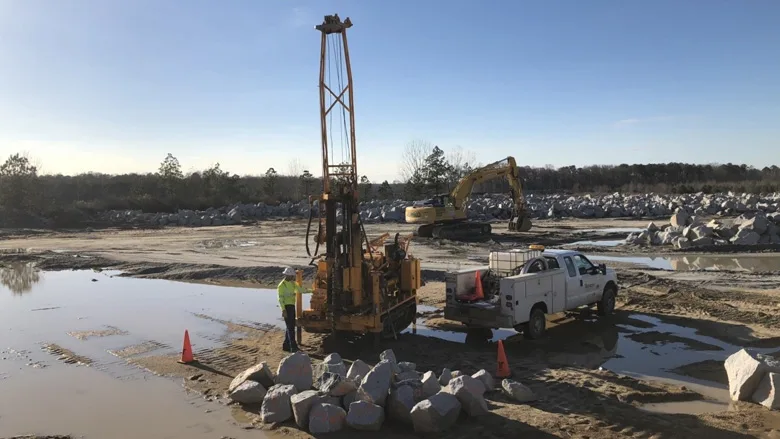
Image courtesy: USGS archives
Historically, geothermal operators on federal land, where many ideal U.S. hydrothermal and enhanced geothermal resources sit, faced a double standard. While oil and gas operators enjoyed streamlined environmental reviews, geothermal developers endured multi-year National Environmental Policy Act (NEPA) bottlenecks to drill an exploratory well.
BAAJA targets that parity gap with several provisions to keep rigs and crews turning to the right:
- Oil-and-Gas Regulatory Parity: The Interior Department must apply categorical exclusions to qualifying geothermal exploration and test wells on public lands, bypassing full Environmental Assessments (EAs) and Environmental Impact Statements (EISs) to cut timelines from years to months.
- Hard Agency Deadlines and Oversight: A new Bureau of Land Management (BLM) Geothermal Ombudsman and Permitting Task Force will resolve bottlenecks, publish a federal geothermal "Gold Book," and enforce review clocks, requiring final drilling permits within 10 to 60 days after reviews finish.
- Expanded Leasing and Grid Access: Annual federal geothermal lease sales and overhauled interregional transmission planning give proven fields a clearer path to develop renewable baseload power.
Beyond Geothermal: Gas, Critical Minerals, and Deep Boreholes for SMRs
BAAJA's permitting overhaul spans the broader subsurface economy, driving parallel demand for heavy rotary, reverse-circulation, and large-diameter rigs:
- Natural Gas and Pipelines: The bill speeds up gas infrastructure approvals, extends categorical exclusions to repairs, and upgrades along existing interstate pipeline corridors, and locks in authorized liquefied natural gas (LNG) export capacity.
- Critical and Rare Minerals: Streamlined domestic hardrock mining permits for lithium, copper, and rare earth elements, and simplified waste-disposal rules on adjacent federal lands boost demand for exploration, hydrogeologic characterization, and dewatering wells.
- Big, Deep Holes for Nuclear SMRs: Title V accelerates Nuclear Regulatory Commission (NRC) licensing and uranium enrichment approvals. Next-generation SMRs and microreactors utilizing deep underground containment silos, drilled shaft foundations, or deep-borehole thermal and waste-isolation designs open a lucrative niche for large-diameter contractors.
The Trade-Off: Weakened Groundwater and Watershed Guardrails
First, environmentalists, hydrologists, state regulators, and Tribal nations warn that BAAJA buys speed by dismantling checks on water quality and aquifer integrity, consequences that the future of groundwater will not be able to purchase back.
When permitting reduces feasibility studies and upfront hydrogeologic scrutiny for any drilling projects that penetrate multiple strata, including shallow freshwater aquifers, the consequences can be severe. Skipping full NEPA reviews means fewer baseline groundwater studies, less cross-aquifer contamination modeling, and minimal technical reviews of wellbore design to prevent catastrophic failures.
Second, BAAJA curbs state and Tribal authority under Clean Water Act (CWA) Section 401. Capping certification deadlines at one year and limiting reviews strictly to direct surface "point-source" discharges restricts states and Tribes from requiring groundwater monitoring, disclosure of specialty drilling fluid additives, or mandating borehole construction containment programs.
Third, the bill weakens wetland protections, lengthens discharge permits, and curtails post-permit accountability. BAAJA quadruples fast-track wetland fill limits from half an acre to two acres, doubles Clean Water Act discharge (NPDES) permits from five to ten years, and bars courts from halting projects over defective NEPA reviews alone. Drilling can continue while out-of-compliance issues are corrected, risking aquifer drawdown or cross-zone contamination before legal remedies can halt the damage.
The Bottom Line: Best for Drillers vs. Worst for Groundwater
What's Best for Drillers:
- Faster Mobilization & Backlog Growth: Geothermal categorical exclusions, annual lease sales, and 10-to-60-day permit clocks eliminate multi-year delays between contract signing and spudding.
- Split-Estate Deregulation: Exempting many wells on private surface lands tapping federal oil, gas, and geothermal reserves unlocks millions of subsurface acres for faster deployment.
- Multi-Sector Rig Demand: Simultaneous fast-tracks for geothermal, gas pipelines, mineral dewatering, and SMR shafts keep drilling companies and energy service companies fully booked.
- Project Certainty: "Anti-revocation" rules and limits on injunctions shield active drilling contracts from out-of-compliance shutdowns.
What's Worst for Groundwater:
- Drilling & Exploration Without Baseline Data: Skipping full NEPA and federal split-estate reviews cuts upfront hydrogeologic modeling and baseline water testing before drilling the subsurface.
- Stripped State & Tribal Water Vetoes: Limiting CWA Section 401 reviews to direct surface discharges prevents states and Tribes from mandating groundwater monitoring or maintaining circulation while drilling.
- Unchecked Drawdown & Fill: Expanded wetland fill thresholds and narrowed EPA vetoes over municipal water supplies let major mining, data center, and pipeline projects proceed with minimal aquifer-depletion review.
- Orphaned Well & Remediation Risks: Fast-tracking split-estate drilling without federal oversight raises risks of improperly plugged boreholes, cross-zone contamination, and landowner disputes.
What It Means for the Drilling Industry
With Senate passage secured and President Donald Trump backing the measure, attention shifts to the House during the lame-duck session, where lawmakers face pressure to pass the Senate text intact before year's end. If BAAJA becomes law, geothermal, gas, critical minerals, and nuclear SMRs will gain regulatory tailwinds simultaneously, intensifying competition and demand for experienced crews, 1500 horsepower rigs, and regional water supplies.
For competent drilling companies, the takeaway is clear: statutory deregulation does not change subsurface physics. Even if BAAJA eliminates federal paperwork and shields permits from injunctions, proper well construction, maintaining sanitary seals, isolating freshwater zones with multi-string casing, and managing drilling fluids responsibly remain our primary defense against subsurface contamination and liability. BAAJA may clear the path to drill faster across many industries; we must scale for energy and grid stability, but protecting our critical freshwater resources rests more heavily than ever on every driller's discipline to recognize they are a groundwater professional at the controls.
Looking for a reprint of this article?
From high-res PDFs to custom plaques, order your copy today!

Brock Yordy, Director of Industry Engagement for The Driller, is a third-generation driller and globally recognized subject matter expert who has written for The Driller since 2013. Driven by a passion for industry education and digital media, he anchors The Driller Newscast and hosts weekly podcasts for the trade. His technical authority is backed by decades of extreme fieldwork worldwide for organizations like Halliburton, SUEZ, and the U.S. Government. Dedicated to ensuring clean water for all and advancing equitable geothermal heating and cooling, Brock actively collaborates with states nationwide through The Developed Well Group and the Geothermal Drillers Association to shape policy, safety, and workforce training.
email: brock@thedriller.com | office: (269) 348-5156