Safety News
Wildfire Smoke Should Be Treated as an Ongoing Health Hazard for Outdoor Workers. Here's Why.
Drilling crews are continuing full shifts even as air quality alerts intensify. Many don't have the right respiratory protection, or even realize what they have won't actually protect them
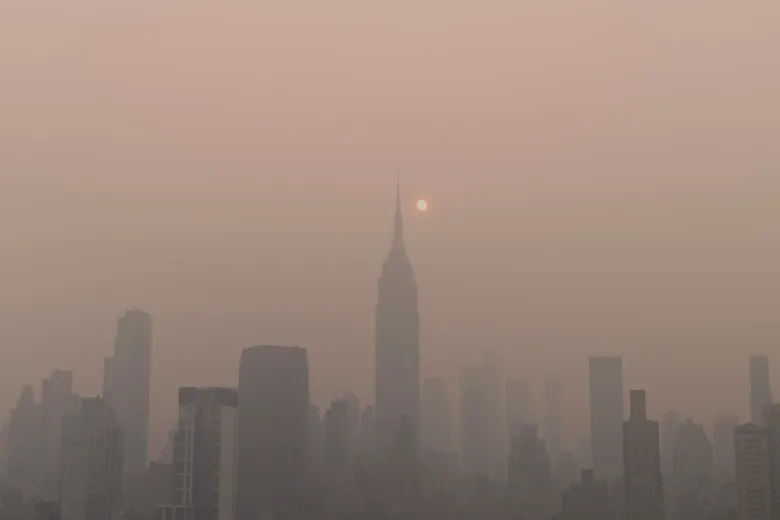
Over the summer, wildfire smoke from Canada pushed air quality to dangerous levels across the Midwest and Great Lakes, with Detroit, Minneapolis, and Chicago recently ranking among the most polluted major cities in the world.
This has become a pattern repeating through wildfire season — and for outdoor workers, going inside when the air turns hazardous isn't an option.
The International Safety Equipment Association says wildfire smoke should be treated as an ongoing occupational health hazard, not a weather event employers wait out.
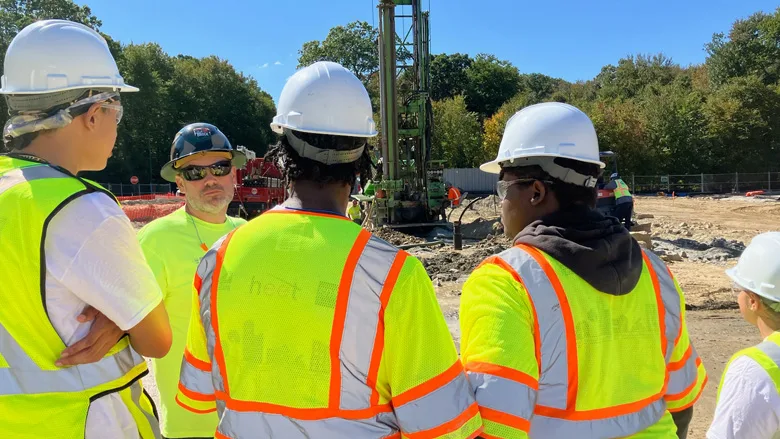
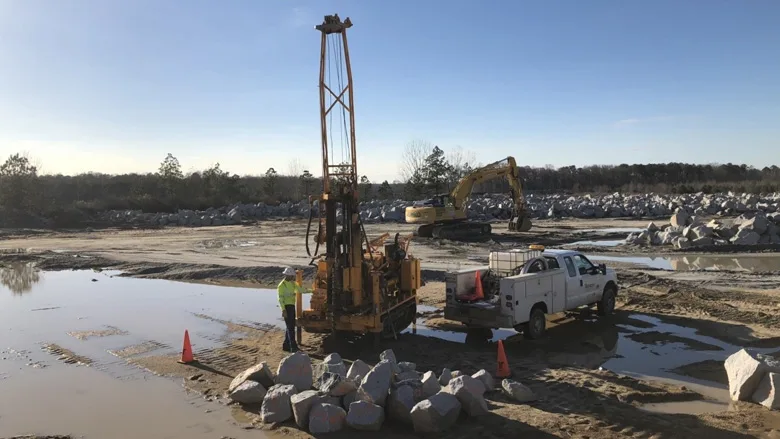
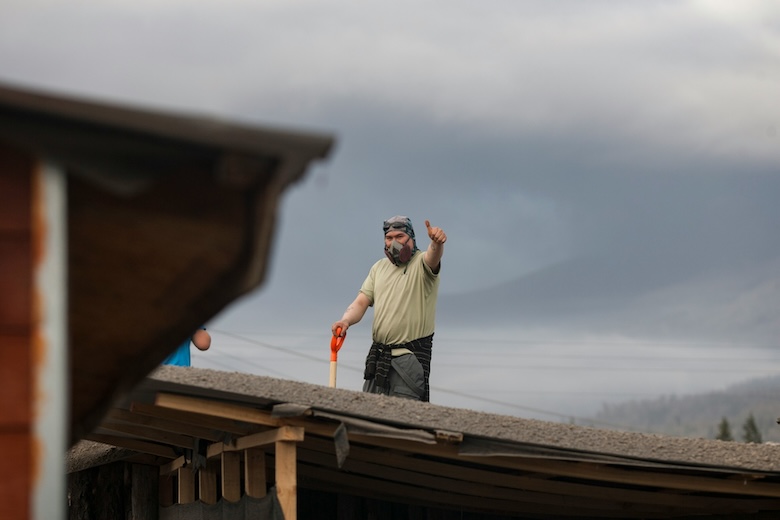
Construction crews, utility workers, landscapers, and public works employees are continuing full shifts outdoors even as air-quality alerts intensify, and many don't have the right respiratory protection, or don't realize what they're wearing won't actually protect them.
Wildfire smoke contains fine particles and other pollutants that can pose serious respiratory risks. Cloth face coverings and loose-fitting surgical masks are not designed to provide reliable protection against these hazards. A properly selected and well-fitting N95 or more protective respirator can help reduce exposure, but only when it is authentic, appropriate for the hazard, and used correctly, says ISEA.
In a recent sitdown with Industrial Safety and Hygiene News, Dan Glucksman, Senior Director of Policy at the International Safety Equipment Association (ISEA), offered his his advice surrounding this issue.
How can employers treat wildfire smoke as an ongoing occupational hazard rather than a temporary event?
Glucksman: Employers should treat wildfire smoke like other recurring or seasonal workplace hazards, such as extreme heat and severe weather. Planning must happen before smoke reaches the worksite.
That means identifying which workers could be exposed, assigning someone to monitor the Air Quality Index, or AQI, and determining when work will be modified or stopped.
Employers can reduce exposure by rescheduling demanding tasks, rotating assignments, shortening outdoor work periods or providing breaks in filtered air. When those steps aren’t enough, properly selected, NIOSH Approved® respiratory protection should be part of the plan.
The goal is to move from reacting to preparing.
 Courtesy / Christian Miranda via Unsplash
Glucksman: Landscaping, grounds maintenance, agriculture, public works, transportation, delivery services and parks and recreation are all vulnerable.
Many of these employees perform tough work outside even when public health guidance advises people to stay inside. Physical labor also increases breathing rates, which can increase the amount of smoke workers breathe in.
Wildfire smoke can affect air quality far from an active fire, including in communities that don’t consider themselves at risk. Employers across outdoor industries should therefore be prepared to monitor conditions and adjust work when air quality gets worse.
This story first appeared in Industrial Safety and Hygiene News. You can read the full interview with Glucksman, right here.
Looking for a reprint of this article?
From high-res PDFs to custom plaques, order your copy today!