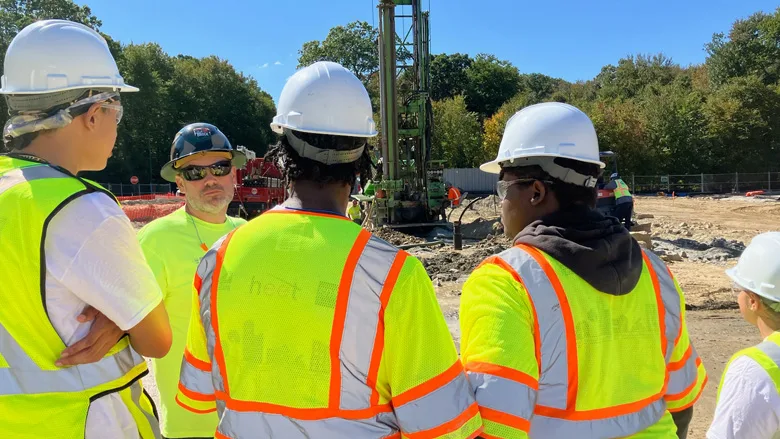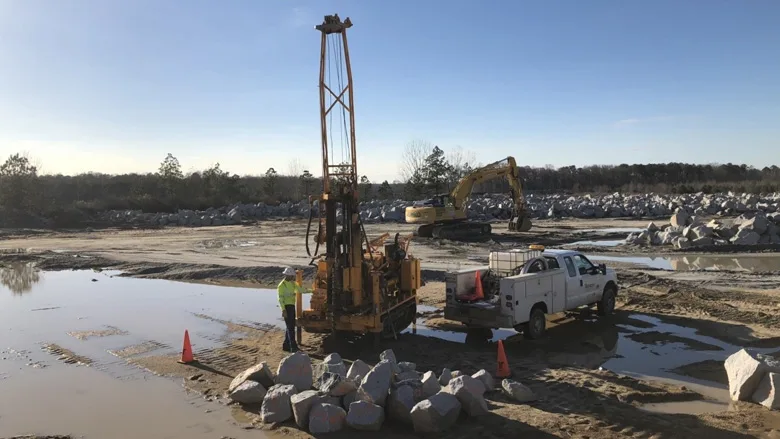
Looking at shallow geothermal from a 'low temperature, high impact' perspective
Two leaders in shallow geothermal react to the recent Hill Day, the industry’s annual fly-in to Washington, D.C.
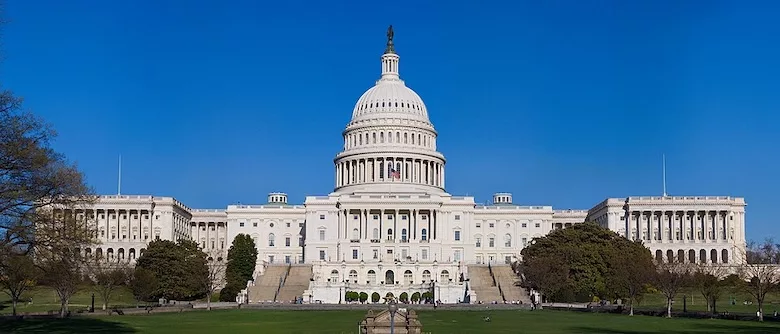
Every spring, the geothermal industry descends on Capitol Hill. This year, Geothermal Rising brought together over 60 industry members from 35 organizations for more than 125 meetings with congressional offices and federal agencies. The energy in the hallways was real, but it was abundantly clear that policymakers and Administration officials are almost exclusively focused on high-temperature geothermal: the deep drilling, power-generating kind that’s been lighting up headlines and investor decks.
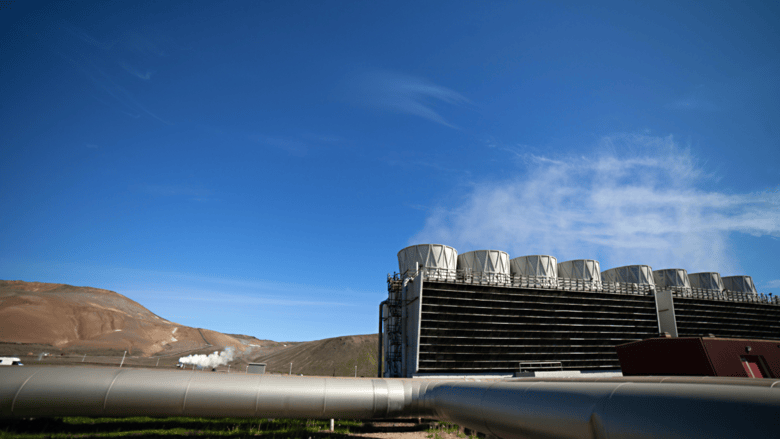
That excitement is warranted; geothermal electricity’s ability to play a meaningful and important role in the nation’s grid is real and still unrealized. This said, there is another side to the geothermal energy equation which can have a larger, more immediate impact to both the grid and American energy users: geothermal heating and cooling from shallow, low-temperature geothermal.
This was the message that a handful of companies, brought into every House and Senate office: the biggest near-term grid impact isn’t going to come from deep geothermal. It’s going to come from technology already in the ground, already reducing load, and deployable in months, not years.
Two leaders in shallow geothermal, Bela Bogdanovic, chief of staff at Dig Energy, and Zach Millimet, head of government affairs and strategic partnerships at Darcy Solutions, were there lobbying the cause.
On behalf of The Driller, Laura Singer recently caught up with both to see how it went.
This was Dig Energy's second Hill Day. What to you stood out?
Bela Bogdanovic: Geothermal Rising did a great job organizing the experience and pairing people. What struck me was how well our group represented different parts of the industry — and how little competition there was between people. That was genuinely nice to see.
You were among the few attendees, Zach, who carried a shallow geothermal message. In your estimation, how would you say it landed?
Zach Millmet: Every office we met with — House and Senate — was genuinely interested. What worked was leading with a clear, simple value proposition: here’s what this technology can provide for data centers and to reduce load growth, here’s what it does for grid services, here’s what it does to reduce transmission and distribution costs, and here’s how it provides more resilient and reliable critical infrastructure in an era of extreme weather events, such as a flood or wildfire.. All these things matter and resonate right now regardless of where someone sits politically.
“The job for all of us in the industry is to keep making the case through Congress, providing robust industry data, and to keep quantifying what this technology does for the grid.”
-- Zach Millmet, Darcy Solutions
BB: What landed most was the near-term framing and geothermal’s ability to immediately bring down energy bills. As we wait for baseload geothermal power and next-generation nuclear, low-temperature geothermal is the best tool we have right now to address the power challenges heading our way. The “what can we do today” question has a real answer, and we have it.
The standard talking points focused on high temperature and permitting reform. How does shallow geothermal fit into all of that?
ZM: I like to say it’s like white light — the full spectrum, from shallow systems all the way up to super-hot rock. Geothermal plays two roles for the grid simultaneously: there’s the additive piece — putting electrons on the grid, the high-temp story — and the subtractive piece — efficiency gains from heating and cooling that reduce demand in the first place. The combination is far more powerful than either is in isolation. And the subtractive piece is deployable right now, at scale, in all 50 states.
Zach, you specifically have been pushing a certain phrase this year. What is it, and what was the impetus?
ZM: “Low temperature, high impact.” That’s my thing for 2026 — I want everyone in this industry using it. Here’s what I mean by high impact: a shallow geothermal system at a one-gigawatt data center would probably offset around 200 megawatts of load growth, in a single building. The same is true for when low-temperature geothermal is deployed at scale across communities, be it in large individual loads or aggregated smaller loads and via thermal energy networks. We’re not competing with high-temperature geothermal — we love our high-temp colleagues — but scale matters, and the commercial and industrial sector is where shallow geothermal can actually move the needle for grid operators.
Any frustrations?
ZM: The low-temp side of the geothermal industry needs to do a better job telling this story. Policymakers and government officials, at all levels, do not know what our side of the industry provides. I get it, superhot rock drilling and advanced technology being pioneered by companies such as Fervo is exciting. But what’s more exciting to me are the benefits low-temp geothermal can deliver to the American people in the near term. The DOE is almost exclusively focused on supporting high-temp geothermal right now, with their belief that the low-temp market is fully “commercialized." The job for all of us in the industry is to keep making the case through Congress, providing robust industry data, and to keep quantifying what this technology does for the grid. The numbers are on our side — we just have to tell the story loudly enough.
BB: Geothermal heating and cooling still has this reputation as a smaller piece of the energy landscape, when the opportunity is enormous — something like 35% of U.S. energy use goes toward space conditioning. We’re nowhere near capturing that market. This isn’t a mature, commercialized industry. We’re just getting started.
What would you say was a major takeaway from being on Capitol Hill?
BB: Honestly, yes. After two days together, the people in my group came away understanding geothermal heating and cooling in a way they hadn’t before. If someone asks them about it now, they can give an informed answer — or connect that person with someone who can. We can’t be in every room, but we can build a network of people who carry this message forward.
OK, so tell us: In your estimation, what comes next?
BB: If we want elected officials to prioritize this technology, we must band together and advocate for ourselves. Geothermal Rising is predominantly power generation — that’s the reality — and the heating and cooling side of the industry isn’t pulling its weight at the federal level yet.
ZM: We need more voices, in more places, bringing attention to and telling the story of low-temp geothermal. This can’t just be Darcy and Dig walking the halls. Geothermal Rising has made real efforts to tell more of the low-temp side of the story, and there are other organizations doing the same, such as GeoExchange and the National Ground Water Association. We need everyone in our industry to speak out more, tell our story on podcasts and social media, engage more with local officials, and just command more attention about this amazing technology that will be a key role in solving our energy challenges.
Looking for a reprint of this article?
From high-res PDFs to custom plaques, order your copy today!