Construction Firm is Ordered to Clean Up Wastewater Discharges into Cane Garden Bay
Chitolie Trucking Service, LLC must come into compliance with the Clean Water Act after violations
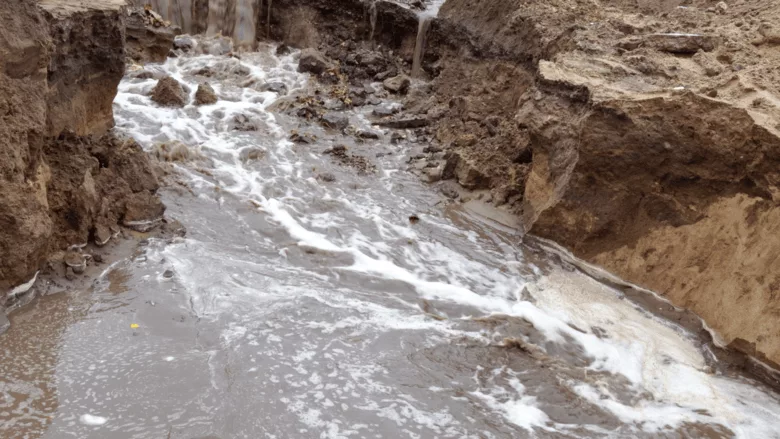
Image via theLIMEs from Getty Images
The U.S. Environmental Protection Agency (EPA) has formally directed Chitolie Trucking Service, LLC to come into compliance with the Clean Water Act after violations were uncovered at its facility on St. Croix.
Joint inspections conducted by the EPA and the Virgin Islands Department of Planning and Natural Resources (DPNR) revealed unpermitted discharges of process wastewater and stormwater into Cane Garden Bay, prompting the agency’s enforcement action.
What Happened, and Why It Matters
The facility, which handles ready-mix concrete and various trucking operations, was found to be releasing pollutants without the necessary permits—a breach of the Clean Water Act’s prohibition on unauthorized “point source” discharges.
The EPA’s order requires Chitolie to immediately cease any unauthorized discharges and to institute short-term pollution controls, while also submitting progress reports on compliance efforts. Over the longer term, the company must secure permits from DPNR that include mandated pollution control measures.
Michael Martucci, EPA Regional Administrator, framed the decision in a broader environmental-economic context: “Construction activities and facilities play a crucial role in local economies, but without proper controls, they can risk polluting nearby waterways.”
He also emphasized the collaborative role of DPNR: “EPA was glad to collaborate with the Virgin Islands Department of Planning and Natural Resources to safeguard the vital coastal water resources in the Caribbean.”
On the DPNR side, the agency is expected to guide Chitolie through the permitting process and ensure the company adapts its operations to protect local water quality.
Chitolie’s environmental track record in the territory is not brand new. According to EPA records, a 2008 inspection flagged a “problematic accumulation of oils, batteries and chemicals” at the company’s Estate Pearl location on St. Croix. That earlier finding suggests the issues at hand may stem from long-standing challenges in managing industrial waste and site operations.
Local media reporting adds further detail: the Chitolie facility sits approximately 5,000 feet from Cane Garden Bay, with a buffer of green space and wetlands intervening between the industrial site and the shoreline. Chitolie’s business involves demolition, excavation, trucking, concrete production, and site preparation services. When reached for comment, the firm's owner, Allan Chitolie, was not immediately available.
Environmental Stakes and Regional Water Quality
Cane Garden Bay, like many coastal waters in the U.S. Virgin Islands, is valued for its ecological and recreational importance. Pollutant discharges—especially during storm events—can carry sediments, chemicals, and other contaminants into the bay, threatening marine habitats, shellfish beds, and water quality for residents and visitors alike.
The territory’s water quality challenges do not stop at industrial sites. The Virgin Islands Department of Planning & Natural Resources issues regular beach advisories based on bacterial counts, turbidity, and other indicators. As of early 2025, most beaches were declared safe, though a few—including Rainbow Beach on St. Croix—failed to meet standards for swimming and fishing.
Adding to the complexity, St. Croix has been struggling with water system issues more broadly. In late 2023, elevated lead levels were detected in tap water across parts of the island, prompting a federal state of emergency and intense scrutiny of the water distribution infrastructure.
This crisis helped raise awareness of water contamination risks at every level—from municipal supply systems to industrial run-off.
Under the EPA’s order, Chitolie must:
- Immediately halt unpermitted discharges and implement interim pollution controls,
- Submit progress reports documenting steps taken toward compliance, and
- Obtain the required DPNR-issued permits that mandate engineering controls and monitoring.
EPA and DPNR will monitor Chitolie’s adherence and ensure it meets its obligations under the Clean Water Act. Failure to comply could lead to further enforcement actions, including fines or injunctive relief. For the local community, the outcome is more than regulatory—it’s about protecting coastal water quality, fisheries, marine life, and public health.
Looking for a reprint of this article?
From high-res PDFs to custom plaques, order your copy today!

John Oldani is an editor, journalist, and reporter with over a decade of experience producing clear, engaging, and well-researched content. He holds a Bachelor of Arts in Journalism from Oakland University, with a focus on financial reporting, editing, and long-form writing. Over the past year, John has specialized in covering the drilling industry, reporting on key developments, policy shifts, and impactful stories shaping the field.
email: johnnyoldaniwords@gmail.com | office: (248) 838-8535