Groundwater Industry Heads to Capitol Hill for 2026 NGWA Fly-In
Contractors and water professionals will push federal leaders on geothermal tax credits and more
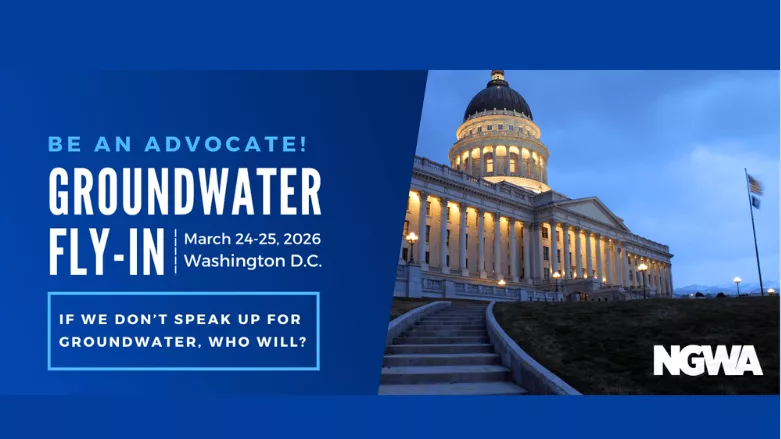
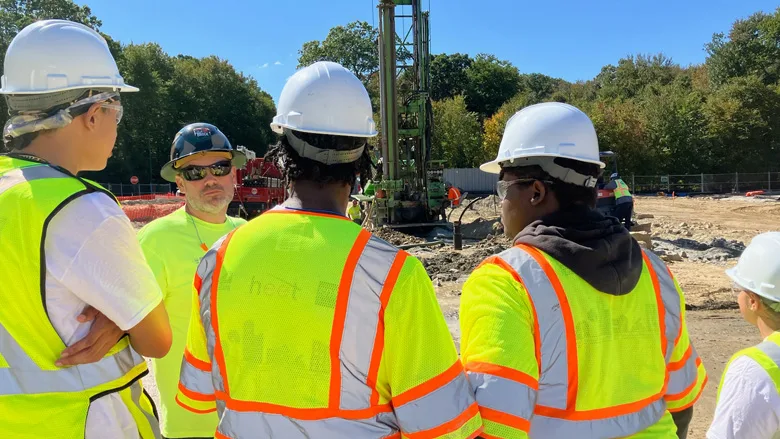
Image courtesy of the NGWA
The groundwater industry is once again preparing to take its message straight to Capitol Hill.
The National Ground Water Association is gearing up for its 2026 Fly-In, scheduled for March 24–25 in Washington, D.C., bringing contractors, manufacturers, and suppliers face to face with lawmakers and federal agencies shaping water and energy policy.
For NGWA members, the Fly-In has become a regular chance to step out of the field and into the policy arena, highlighting how federal decisions ripple down to drilling crews, water systems, and geothermal projects across the country.
This year’s agenda reflects just how intertwined groundwater has become with climate policy, workforce challenges, and environmental regulation.
One major focus will be changes to geothermal tax credits, which could directly affect project economics for contractors and customers alike. With geothermal increasingly viewed as a clean heating and cooling solution, even small tweaks to incentives can influence whether projects pencil out or stall.
Workforce development is also front and center. Federal initiatives aimed at training and labor pipelines could shape who enters the groundwater and drilling trades over the next decade, at a time when many companies already struggle to find skilled workers.
PFAS contamination remains another hot-button issue. Attendees will be discussing federal cleanup efforts, monitoring programs, and evolving liability rules tied to “forever chemicals” that continue to surface in groundwater systems nationwide. For contractors, this isn’t just an environmental concern, it’s becoming a growing part of project scopes, permitting, and long-term compliance.
Finally, NGWA plans to push back on potential cuts to the National Ground-Water Monitoring Network and U.S. Geological Survey water programs. These federal efforts quietly provide much of the data used to understand aquifer health, water availability, and long-term trends. Industry leaders argue that shrinking those programs could leave communities flying blind when it comes to managing water resources.
The Fly-In kicks off the evening of March 24 with a policy briefing and dinner, where participants will get updates on the federal landscape and the specific issues they’ll be advocating for the following day.
On March 25, members will fan out across Capitol Hill to meet with congressional offices and agency officials, making the case for groundwater’s role in public health, energy resilience, and economic stability.
Supporters say these meetings matter. Lawmakers often hear plenty from large energy companies, environmental groups, and utilities, but far less from the contractors and professionals who actually drill wells, manage aquifers, and install geothermal systems.
Still, there’s always a question of impact.
Fly-ins and advocacy days can raise awareness, but translating conversations into policy changes is a slower and far less certain process. Budget pressures, political polarization, and shifting federal priorities can blunt even the most organized outreach.
Some critics also point out that groundwater rarely commands the same urgency as surface water crises or major energy debates, making it harder to keep funding and regulatory attention focused on long-term aquifer health.
Even so, NGWA’s strategy remains consistent: show up, explain the real-world consequences of federal decisions, and keep groundwater in the policy conversation.
With geothermal incentives in flux, PFAS regulations expanding, and water monitoring programs facing possible cuts, this year’s Fly-In arrives at a moment when what happens in Washington could have lasting effects in the field.
Looking for a reprint of this article?
From high-res PDFs to custom plaques, order your copy today!