Full Speed Ahead on Navajo Nation Water Treatment Projects
LM scientists will continue monitoring groundwater conditions at both sites to meet Nuclear Regulatory Commission standards.
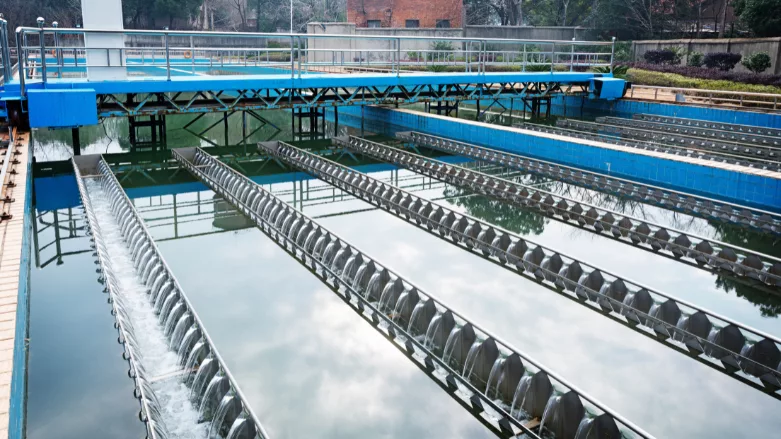
Image via zorabcde from Getty Images Signature
Leaders from the Office of Legacy Management are moving forward on major groundwater cleanup and water reuse projects on the Navajo Nation, with new treatment systems planned at two long-standing uranium legacy sites.
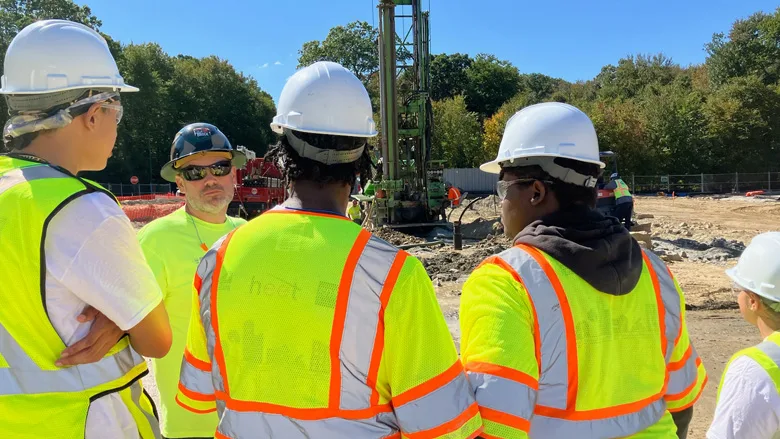
During a Sept. 16 - 17 visit, LM leadership toured the Tuba City Disposal Site in Arizona and the Shiprock Disposal Site to review progress on water treatment units planned for each location. Both sites contain encapsulated uranium mill tailings managed under the Uranium Mill Tailings Radiation Control Act and date back to Cold War-era uranium production for the U.S. government.
Historically, contaminated groundwater at both sites has been pumped to lined evaporation ponds. In an arid region where water is scarce, LM is now working toward a different outcome. The goal is to treat the water and return most of it to the local watershed instead of letting it evaporate.
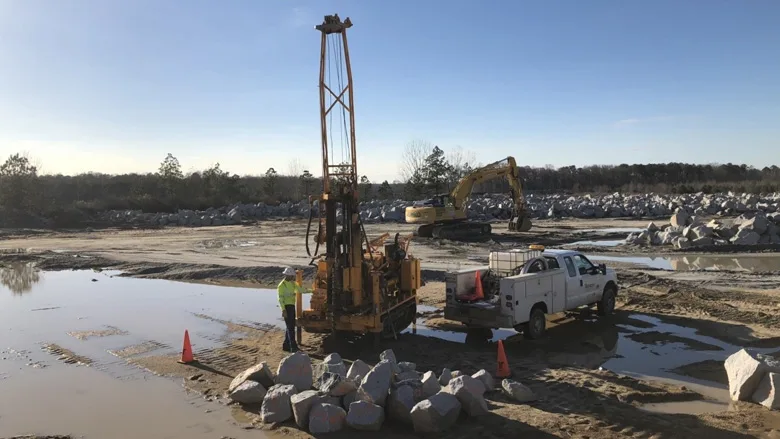
At Shiprock, construction is underway on a new water treatment unit that will replace an aging evaporation pond. Once operational, the system will treat pumped groundwater and release the cleaned water to the San Juan River or nearby wetlands, with oversight from U.S. Environmental Protection Agency Region 9. Solid waste generated by the system will be tested and sent to a licensed disposal facility.
At Tuba City, LM is evaluating whether existing wells, pipelines, and infiltration trenches can support a future upgraded treatment system. Uranium and nitrate remain the primary contaminants of concern, particularly because of the site’s proximity to Moenkopi Wash, which supports centuries-old dry farming practices on Hopi Tribal land.
LM scientists will continue monitoring groundwater conditions at both sites to meet Nuclear Regulatory Commission standards. The Shiprock treatment unit is expected to be operational by summer 2026 and is designed to recover as much as 80 percent of the water extracted, a significant step forward for communities in the high desert where every drop counts.
Looking for a reprint of this article?
From high-res PDFs to custom plaques, order your copy today!